Indigenous Affairs

Feather Alerts Denied: California’s Efforts to Locate Missing Indigenous Relatives Needs Reform, Native Families Say

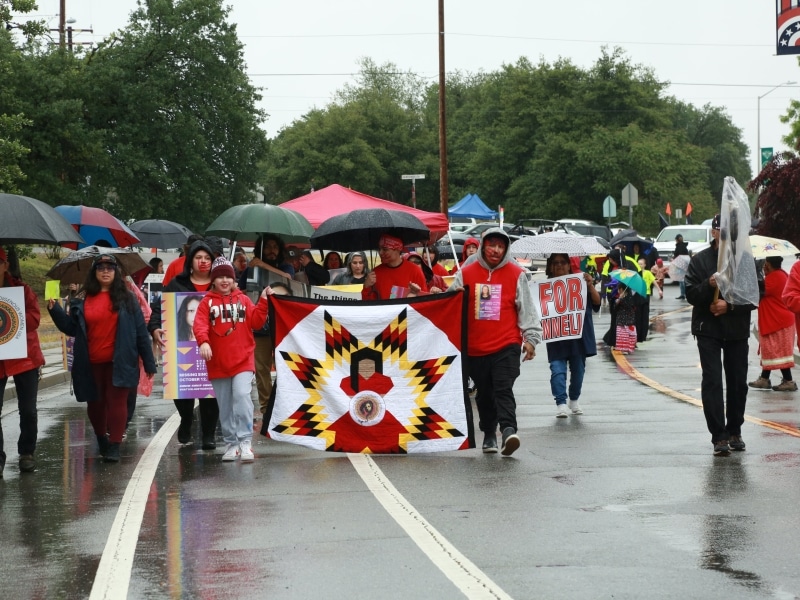
Similar to the Amber Alert, the newly established Feather Alert system was meant to be a vital tool for Native families searching for missing relatives. Native policymakers and families say law enforcement agents are unnecessarily rejecting the majority of Feather Alert requests. Amendments to the law are already in process.
Latest in Indigenous Affairs
Native Student Alleges Freedom of Speech Violation by Burney High School Principal

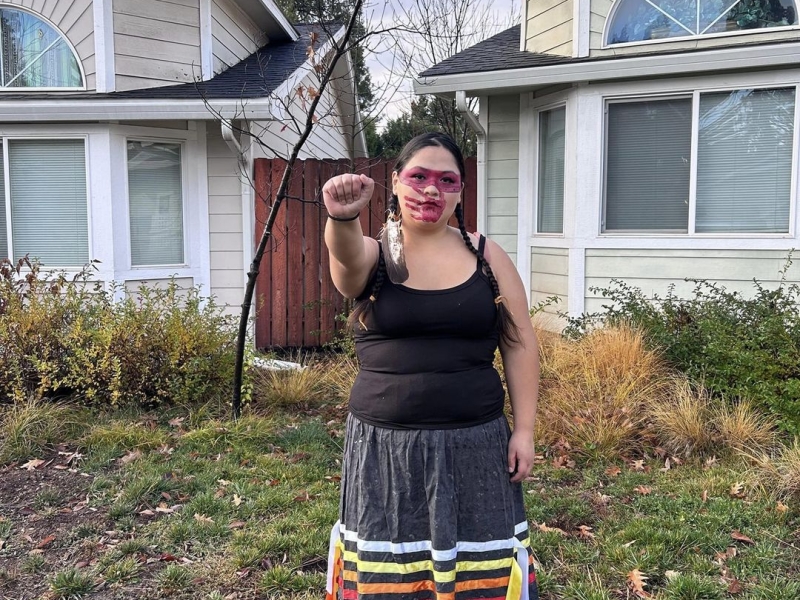
Honeygirl McCloud says her freedom of speech was violated earlier this month when her principal told her she couldn’t use a quote referencing violence against Indigenous women. The district did not confirm or deny those allegations but says that she will be allowed to use her original quote.

A Legal Shield to Protect the Sacred: Pit River Tribe Asks Biden to Make the Medicine Lake Highlands (Sátíttla) a National Monument

The designation would ban the kind of new leases for geothermal energy drilling that Pit River people have fought for decades and bestow far stronger protections for the culturally and ecologically important sacred landscape.

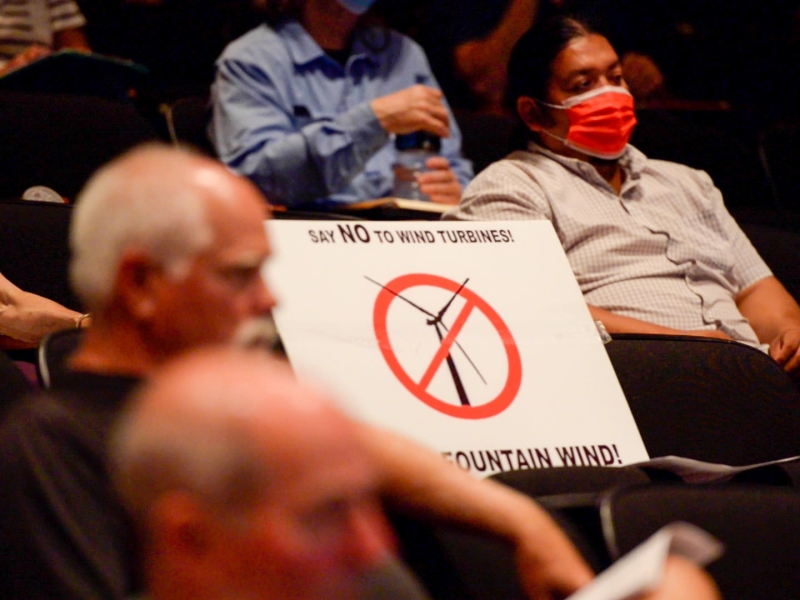
Back from the Dead: Shasta County Fountain Wind Project Could Be Approved Under New California Bill Designed To Fast Track Renewable Energy

In 2021, Shasta County officials definitively rejected the Fountain Wind mega-energy project, twice. But now a new California law may allow Texas-based ConnectGen to build the mammoth wind turbine project anyway, despite local decisions based on years of complex environmental studies, hours of testimonies, and in-depth Tribal consultations. Fountain Wind is poised to become a first test of how much the state is willing to bypass local and Tribal governments to meet its clean energy goals.

Shasta County Poised To Provide Inspiration To California Educators Seeking To Implement New Statewide Indian Education Act

A state law passed last fall encourages districts to develop culturally appropriate history lessons. The groundbreaking work of Shasta County's American Indian Advisory (AIA) is providing a model for districts seeking to implement the new law statewide. Now an additional $1.1 million in grant funds will take the AIA's work even further.

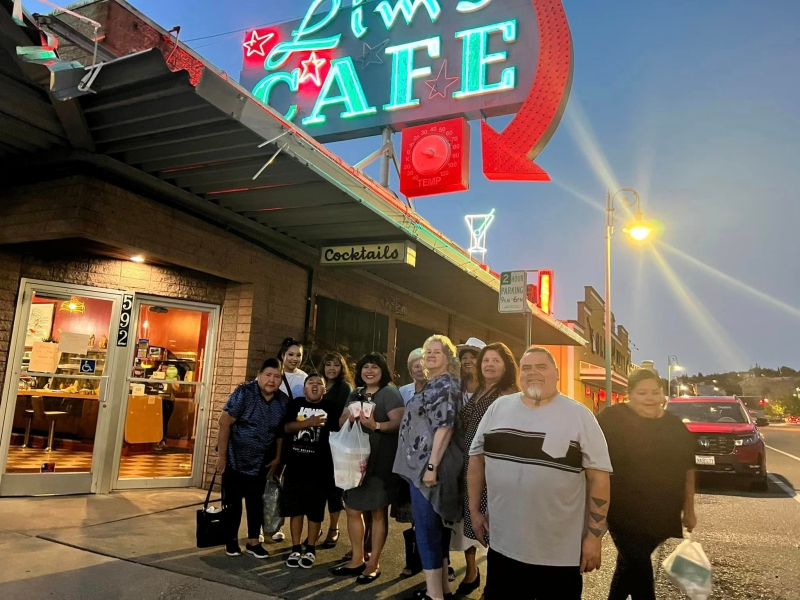
With Closing of Lim’s Café, Local Native Community Mourns a Beloved Sanctuary of Cross-Cultural Connection

For many years Lim’s Café on Market Street was known as an oasis of hospitality for the Native community. Its closure this September marked the end of a remarkable space of connection created by two communities with complicated histories. Their collective pasts contain more intersections and encounters than is widely known.

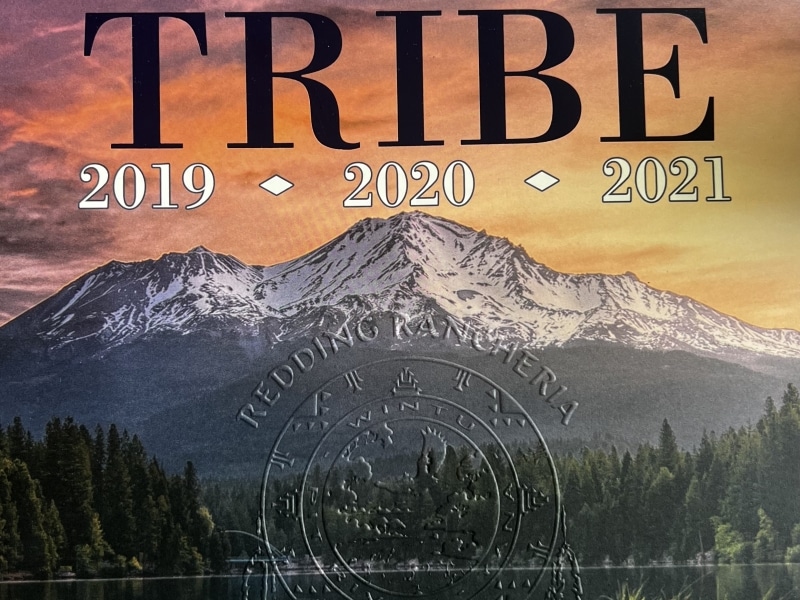
State of the Tribe: Redding Rancheria Highlights Tribal Sovereignty, Health Care Services and Community Investments

At the Redding Rancheria’s first State of the Tribe address in three years, CEO Tracey Edwards emphasized the Tribe’s status as a sovereign nation seeking increased self-determination and autonomy. She also outlined the Tribe’s role in the greater community, especially in the arenas of health care and economic development.

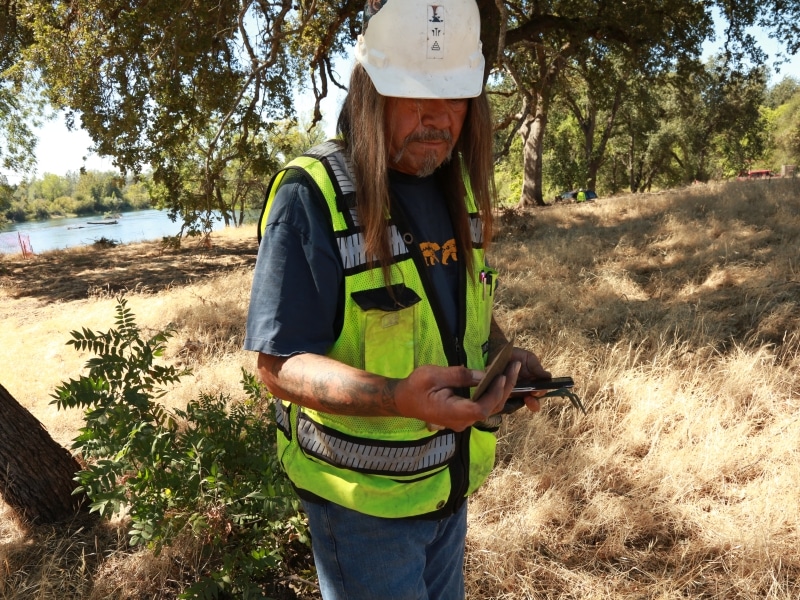
Federal Project Managers Halt Redding-Area Construction Threatening Ancestral Village Site

Construction on a Sacramento River trail expansion south of Redding was halted after Wintu officials investigated at the site and found that construction had exposed cultural items and was occurring close to burial sites. After weeks of negotiations with federal and city project managers, Wintu people have secured a culturing monitoring contract with the Federal Highway Administration to help protect their ancestors’ village during the trail expansion.

Building Shasta Dam Flooded Out A California Tribe. Why Are They Still Not Included in the Dam’s History?

The U.S. Bureau of Reclamation, which operates Shasta Dam, uses its Visitor Center to share a comprehensive history of the Dam's construction and purpose. What that history omits is any mention of the Winnemem Wintu, a local Tribe that was flooded out of their homes along the McCloud River when the Dam was built. Leaving the Tribe out of the Visitor Center's official narrative is intentional, scholars and Tribal members say, because it helps deny legal claims to their ancestral waters and lands now. In recent years, the Visitor Center has become the center of ongoing tensions over how the Dam’s history is told.

Court Rules Redding Must Undo Illegal Bechelli Land Sale But Won’t Be Required To Pay Tribe’s Legal Fees

The city sold a small parcel of land in 2020, effectively blocking the Redding Rancheria’s access to a piece of land they plan to use for casino development. The Tribe sued and on Monday the court issued a final ruling saying that the city must revoke its earlier land sale but will not be required to pay the Tribe’s legal fees.

In your inbox every weekday morning.

Close the CTA

THANKS FOR SUBSCRIBING!

FOLLOW US ON SOCIAL MEDIA

Find Shasta Scout on all of your favorite platforms, including Instagram and Nextdoor.