
Flowers, Flags, and Generosity: Shasta’s Sikh Community Celebrates Commemoration of Holy Text
Shasta County is home to about 50 Sikh families. On October 26, some gathered to mark a religious occasion with a traditional ceremony, including sharing food and water with the greater Anderson community.
Last week, from Friday morning to Sunday evening at the Anderson Sikh Centre, a group of grathis, the Punjabi word for ceremonial “readers”, recited the primary Sikh holy text non-stop. Worshipers gathered in the Centre’s holy chamber to pray and observe at all hours of day and night, while other members of the community prepared snacks and tea in the temple’s adjacent kitchen.
October 25-27 marked the commemoration of Sikhism’s central text, titled Guru Granth Sahib, which was completed and installed in Amritsar’s famed Golden Temple in 1604. Sikhs around the world celebrated, and here in Shasta County, the Sikh Center began its festivities on Saturday morning, October 26, by changing the fabric wrap that adorns the flagpole which flies the Nishan Sahib, or Sikh flag.
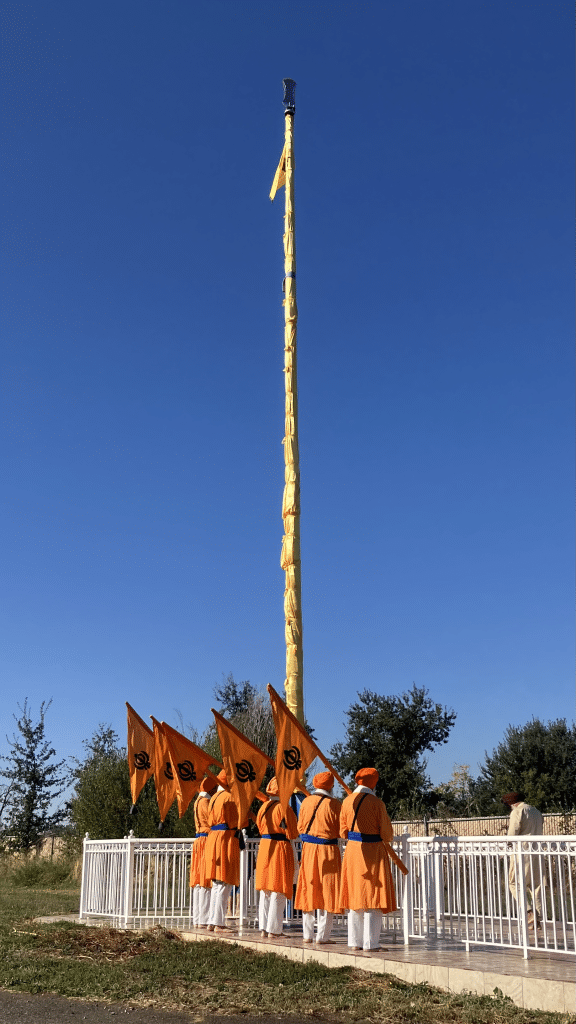
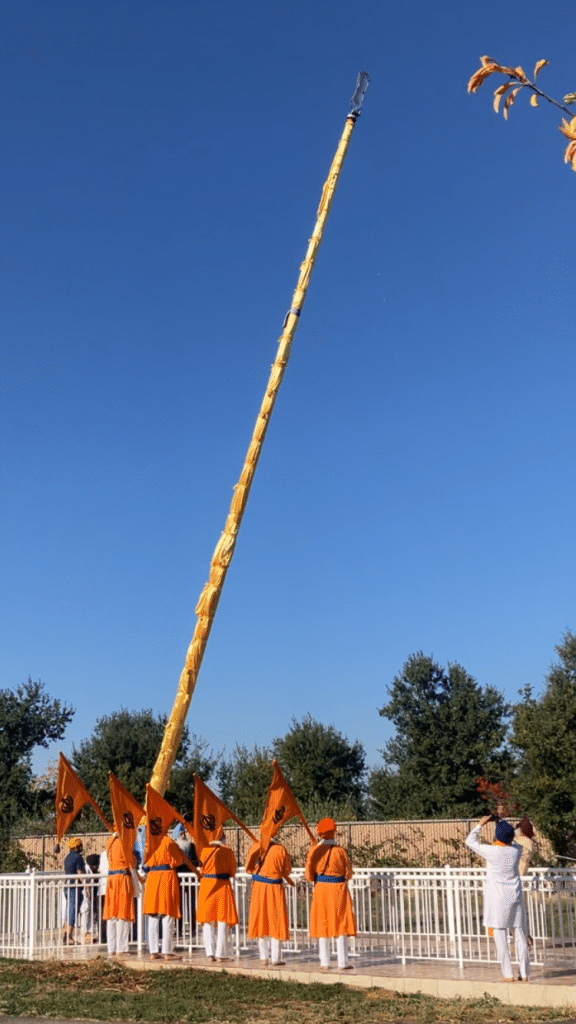
The pole was tipped over, undressed, and ceremonially washed in yogurt as granthis chanted prayers. Once redressed and laden with fresh flowers, it was re-installed in its original position. As it was re-erected, petals cascaded to the earth. According to Sikh Centre director Amarjit Singh, this ritual is performed twice a year. As onlookers made their way back into the building, a group of men were manually pounding nuts, seeds, spices, and milk to create a hearty beverage, traditionally consumed on holy days.

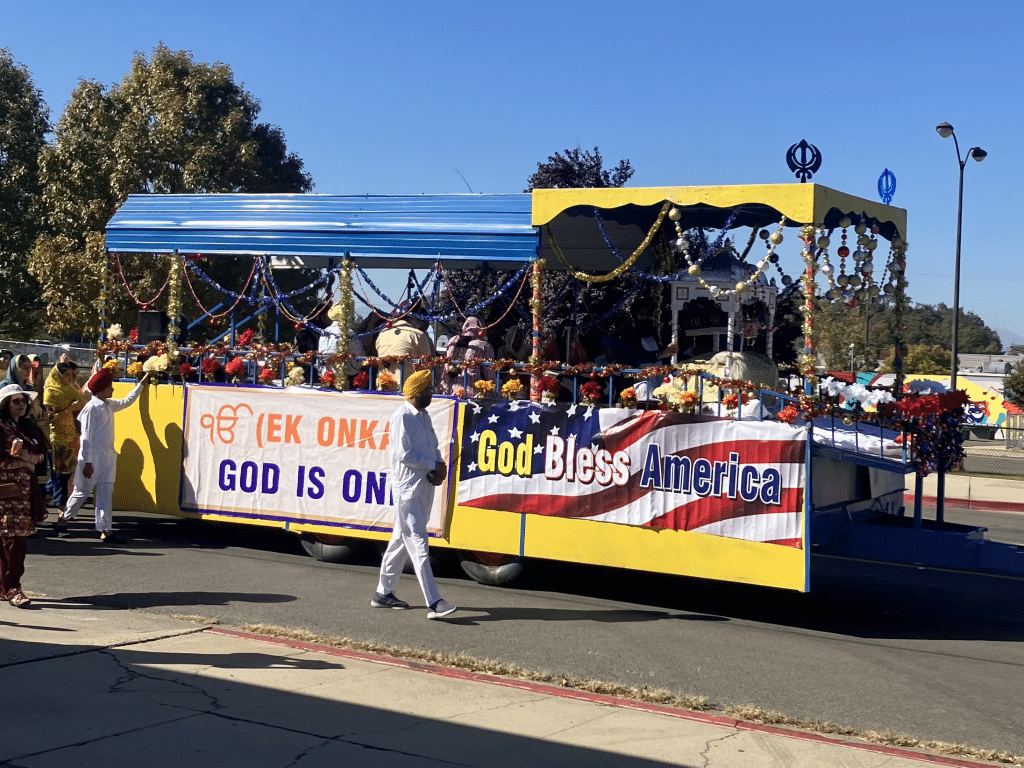
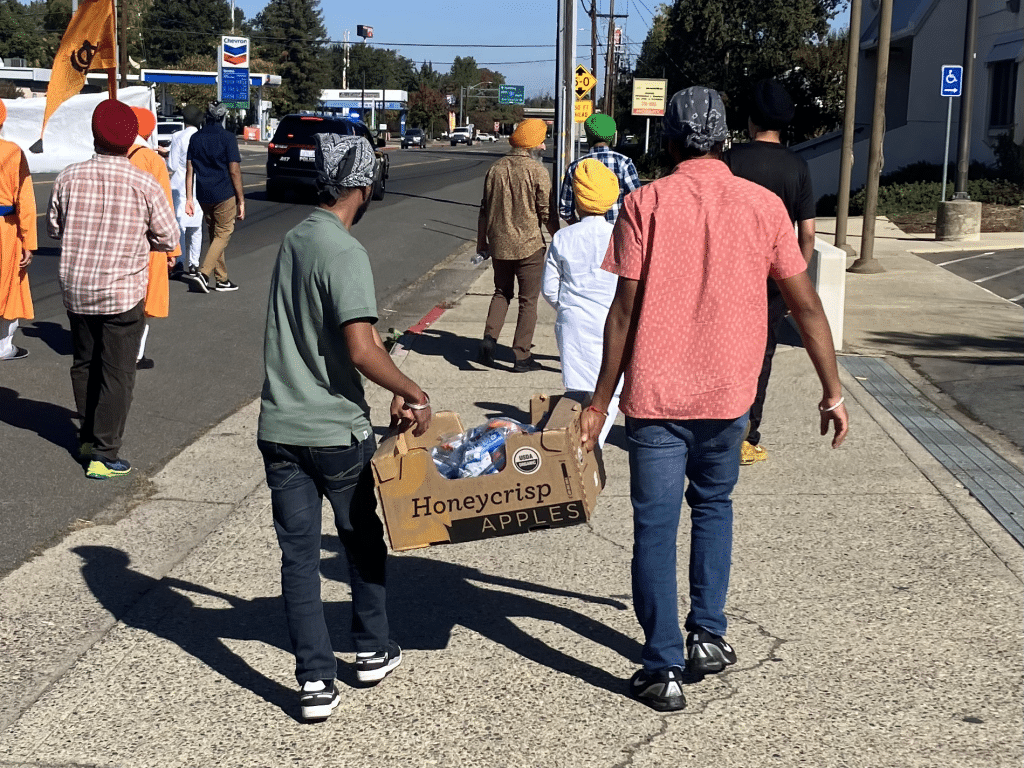
Next came the parade. The community prepared a float that read “God Bless America” and “ੴ Ek Onkar,” or “God is One” in Punjabi. This invocation is the first verse of the Guru Granth Sahib, and the central philosophy of the Sikh religion. Atop the float was a miniature shrine and an ensemble of musicians performing devotional music. As the float inched its way along Anderson’s Fremont Avenue, revelers walked alongside–including Redding City Council candidate Paul Dhanuka. Ahead of the crowd, five flag bearers walked in formation, continuously chanting the word “waheguru” or “wondrous enlightener.” At the very front of the procession, two young men carried a sign that articulated the Sikh Centre’s tenet of generosity: “Recite God’s name, work hard and share your earnings.” Along the route, community members handed out free water bottles and food to strangers in their cars.
The weekend was an important part of how Shasta County’s Sikh community engages with the wider public.
“The purpose of the parade is to create an awareness in the wider community about our celebrations,” Singh said. “There were so many misconceptions about the Sikhs.”
Shasta County is home to approximately 50 Sikh families, making it one of the smaller Sikh communities in the Central Valley. Sikhism is a minority religion in India, comprising the fourth most populous religious group after Hindus, Muslims, and Christians. Sikhs are mostly concentrated in the northwestern state of Punjab, which straddles the border between India and Pakistan.
Before the British partitioned the Indian subcontinent in 1947, Sikhs lived across undivided Punjab, much of which is now in modern Pakistan. When the border was drawn, severing Punjab into Indian and Pakistani sides, the majority of Sikhs and Hindus on the western side of the border fled into what is now India, while Muslims on the eastern side fled into what is now Pakistan. Guru Nanak, the founder of the Sikh tradition, was born near the Pakistani city of Lahore in 1469.
There are two Sikh places of worship in Anderson, which are known as Gurdwaras in Punjabi. Since settling in Anderson, Sikhs have been subject to discrimination. In 2007, the Center was vandalized by a Redding man who stole a front-end loader and rammed the side of the building several times in an act of hate-based violence. Singh believes that Anderson’s understanding of the Sikh community has improved since then due to active efforts at civic engagement.
The epicenter of California’s quarter-million Sikhs can be found in Yuba City, where a massive annual celebration will take place this weekend from November 1-3, partially coinciding with the Hindu festival of Diwali. Past parades have drawn crowds of nearly 300,000. Though the FBI issued a warning of possible unrest, the festivities will proceed as planned.
Do you have a correction to share? Email us: editor@shastascout.org.
Comments (2)
Comments are closed.
Related Articles
Flock, data centers and development: Here’s what two Anderson council candidates want — and don’t want — for the city
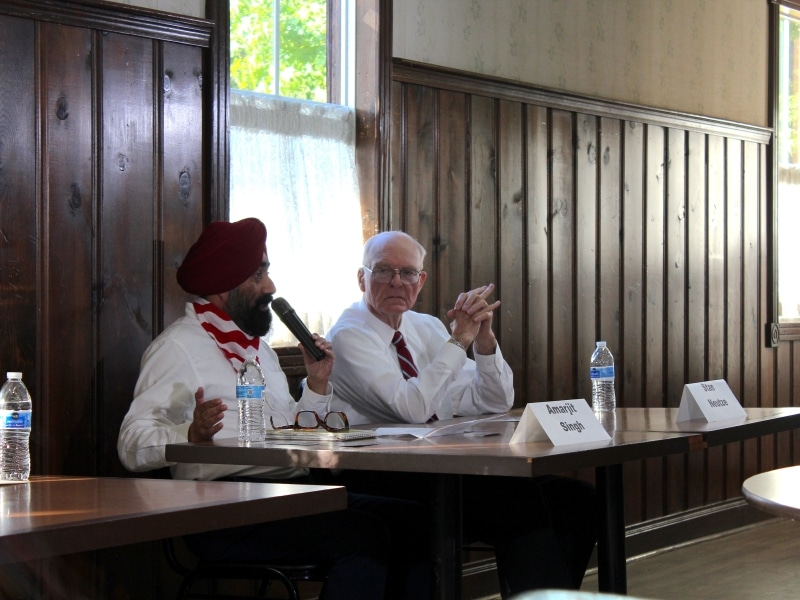
The League of Women Voters held a forum for Anderson City Council candidates last week. Former Mayor and Council member Stan Neutze and Sikh Centre Director and Shasta community organizer Amarjit Singh discussed their top priorities if elected. They’re among three candidates competing for two vacant seats on the council.

Shasta HHSA will close its California Street eligibility services office
The office has been used by those seeking eligibility for CalFresh, CalWORKS and Medi-Cal. HHSA said the closure is due to a move, but did not announce when or where an eligibility office will reopen.
ROV Curtis claims scheduling issues are preventing him from complying with state law to shred November 2024 ballots
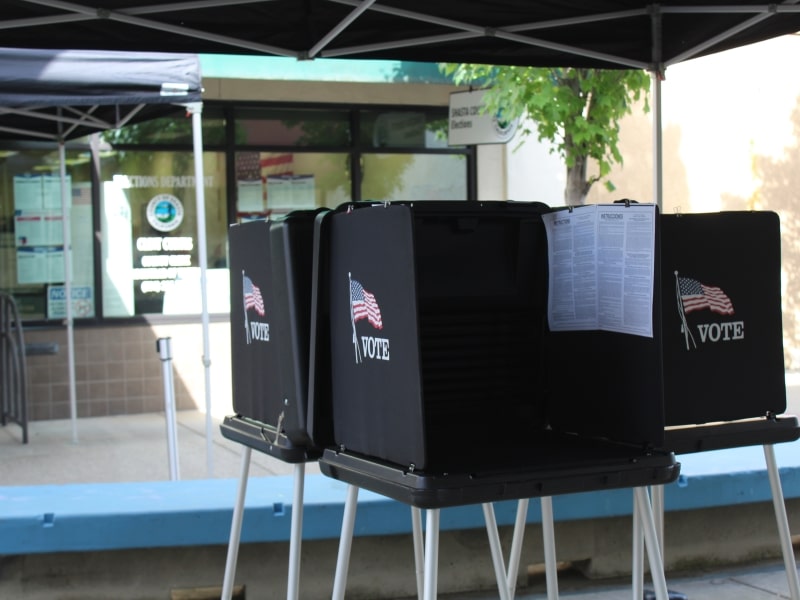
The ballots were supposed to be retained only through Sept. 5, but they still haven’t been destroyed, allegedly due to a series of scheduling missteps and delays.
The Sikh community is truly an asset to the North State! The members of the local Gurdwaras are experts in meaningful outreach; they have initiated so many wonderful programs designed to strengthen our community and meet the needs of the underserved. The universal values of generosity, respect, and kindness are the key to our survival and flourishing as humans. The Sikhs not only embrace these ideals in their liturgy, but in their lives.
On October 26, the Sikh community in Shasta County, which comprises about 50 families, gathered to celebrate a religious occasion with a traditional ceremony that included sharing food and water with the broader Anderson community. This event not only highlighted the cultural significance of the gathering but also fostered a spirit of generosity and inclusivity among attendees. Such celebrations serve to strengthen community bonds and promote understanding of Sikh traditions within the local population.