
Redding Council Moves Closer to Difficult Decisions During Second Budget Workshop
A plan is slowly materializing that will close the City’s $5 million budget gap next year. Proposed changes will reduce police positions and cut spending on tourism marketing but not result in any layoffs.
During a two-hour budget workshop on Thursday, March 13, City Council members searched for funds, debating the relative value of tourism funding and deciding whether to reduce funded police positions back to 2021 staffing levels.
The Council ultimately agreed to reduce funding for police positions by three officers, cut tourism funding by a third and pause payments into the City’s “rolling stock” fund for capital expenditures such as fire trucks.
Council members also agreed to move towards updating city policies and fee structures to bring in more revenue from customers using the City’s planning, permitting and recreation departments.
The decisions so far appear to allow City Manager Barry Tippin attain his primary goal, a balanced budget… without any layoffs.
Yesterday’s Council decisions were all preliminary, giving City staff general budgeting direction that will allow individual departments and the City’s Finance Director to finalize budget documentation for the Council’s further review next month.
Council member Tenessa Audette was the outlier on one of the Council’s tentative agreements, the decision to cut three currently vacant Redding Police Department (RPD) positions. Audette, like other Council members, said police are the number-one priority for many citizens.
“I think if the public had to choose between many different things,” she explained, “I think they would say they want to keep police officers. So I’m absolutely against cutting three more police officers, having already lost nine. I think we have to have a minimum standard of service.”
In response, Tippin said the cuts won’t result in any layoffs or reduce patrol units, instead reducing staffing to special units like “Park Rangers”. Tippin also explained that he has discussed the proposed cuts with RPD Chief Brian Barner and they’re in agreement that the reductions are reasonable.
“While the police department obviously does not like it,” Tippin said. “They feel they can make (the Department) work at that level (of staffing). I wouldn’t recommend it otherwise.”
For context Tippin shared that the City started 2021 with 111 officers, a number which increased to 122 over the last few years and is now returning to 110 with four additional short-term positions also being filled using grant funds.
“So, Tippin continued “this (budget cut) really takes us back to… (more than) what we had then… (and) calls for service haven’t increased significantly.”
His statements were enough to convince four of the five Council members to move forward with a tentative agreement to cut additional policing positions. But Audette held back. When asked by Council member Paul Dhanuka what alternative budget reductions she would suggest, Audette fired back that the Council should reconsider its recent vote on the cannabis tax.

During yesterday’s budget workshop, City Council member Resner said it’s important to remember that while no one wants to make difficult budget decisions, doing so is the Council’s job.
“If we’re doing a good job” Resner told her fellow Council members, “We are making everyone a little bit frustrated, and it’s evenly distributed.”
Redding’s impending $5 million budget deficit is largely the result of sales tax revenue that did not materialize as expected over the past few years, City officials say. In general remarks to the Council Thursday, Tippin called the City’s current operations “bare bones,” saying the only places the City has significantly increased staffing levels from where they were in 2009 is utilities, police and fire.
To address declining revenue, Tippin explained, by July 1 the City will have cut $7-8 million from the budget since the last fiscal year, eliminating positions and reducing operations and maintenance costs wherever possible. Those reductions have included cuts to funding for nine (soon to be twelve) police positions and twelve firefighting positions.
Since the Council’s last budget workshop in January, the City has also deferred loan payments to Redding Electrical Utility for radios, initiated a payment plan with CalFire for the use of City-owned space on Cypress Avenue, and increased the cannabis tax.
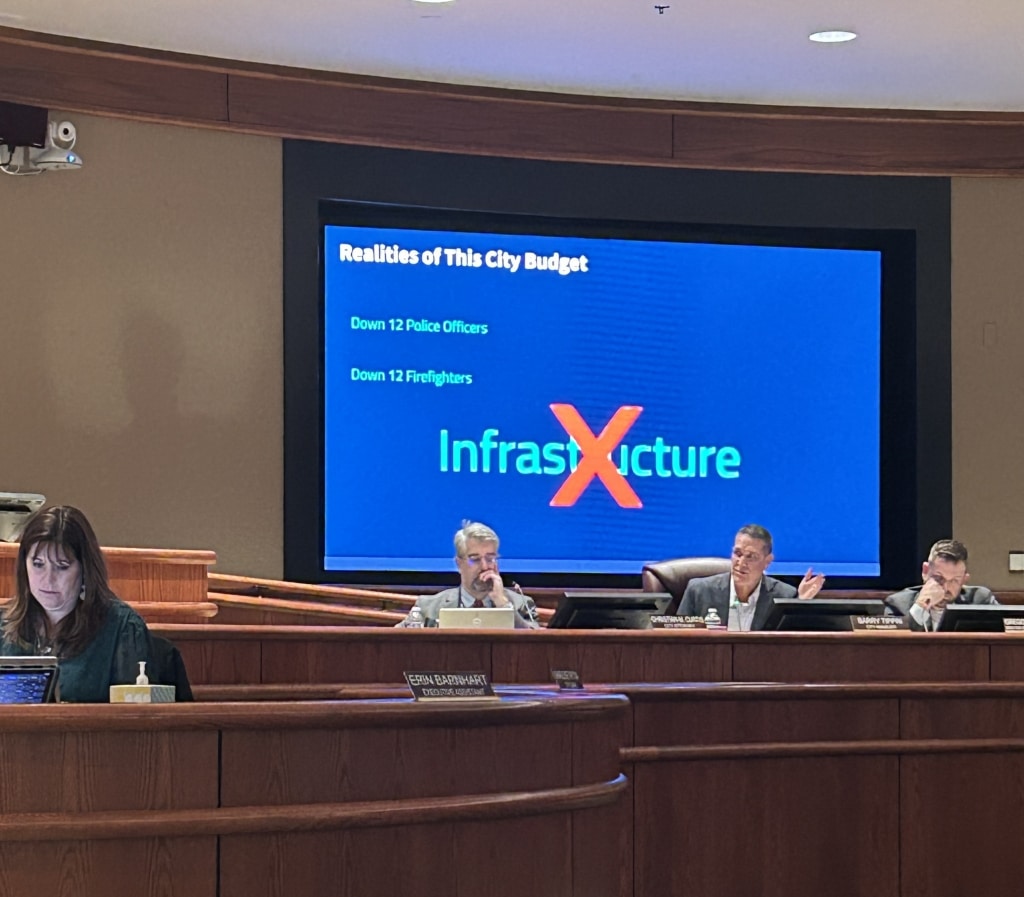
By the end of the Council’s two-hour meeting, Tippin expressed satisfaction with the process so far, saying the Council is coming “very close” to solving its looming $5 million budget gap. But, he emphasized the City’s working budget plan still leaves a reduction in a number of public safety positions and provides none of the funds needed for a variety of infrastructure improvements, including turf repairs at the Redding Soccer Park, dealing with vegetation to reduce fire risk, and building a new fire station.
“We’re still down 12 police officers, we’re still down 12 firefighters, and we’re doing nothing to address our infrastructure problem.”
“So,” he continued, “while I’m happy that we’re able to get to a balanced budget and we can still provide services, we still have a big looming issue…”
A citizen-led sales tax measure is in the works that could provide funding for police, fire, roads and parks, but it’s unclear if it will have the support of the community, which has turned down local sales tax measures twice before. Only Council member Mike Littau mentioned the proposed tax measure, during the budget workshop.
In a question posed to Tippin, Littau asked if the Council would be able to spend half-a-million or a million dollars out of the City’s general fund “in anticipation, or speculation maybe, that we’ll have a community sales tax pass in the future?”
Tippin’s response was immediate, and terse.
“So if the question is… that you want to burn further into reserves,” Tippin asked. “You can… I wouldn’t recommend it.”
City Finance Director Greg Robinett agreed.
“One, we’ve used a lot of our reserves, Robinett said, ”Our reserves are getting down, in my opinion, to the level where you don’t want to be relying on spending reserves.”
“Second thing is,” he continued, “this entire budget is built on assumptions, and there’s a lot of instability in our economy right now.”
Dhanuka agreed, saying “actually, we are in a tough time as a country at least for the near future, which we need to prepare ourselves for… we need to tighten our belts.”
The City will hold its next budget workshop on April 17 when a final budget proposal is expected to be submitted to the Council for approval in preparation for the new fiscal year, which will begin July 1.
Slides from the City’s first budget workshop can be found here. See all City slides from the second budget workshop here.
Do you have a correction to share? Email us: editor@shastascout.org.
Author

Related Articles
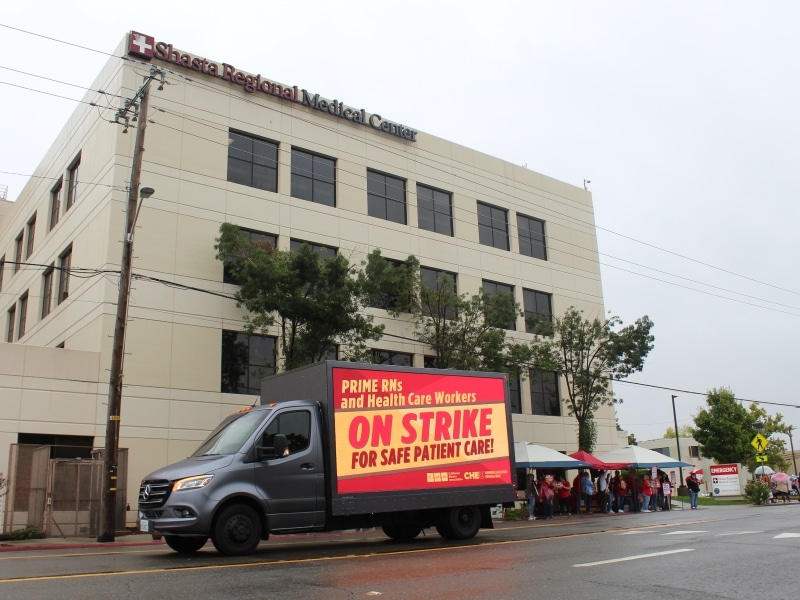
Shasta Regional nurses strike for fair contract, safe staffing levels and improved patient care
The strike in Redding is just one of several strikes happening across the country against Prime Healthcare, a for-profit company that owns 55 hospitals in 15 states.
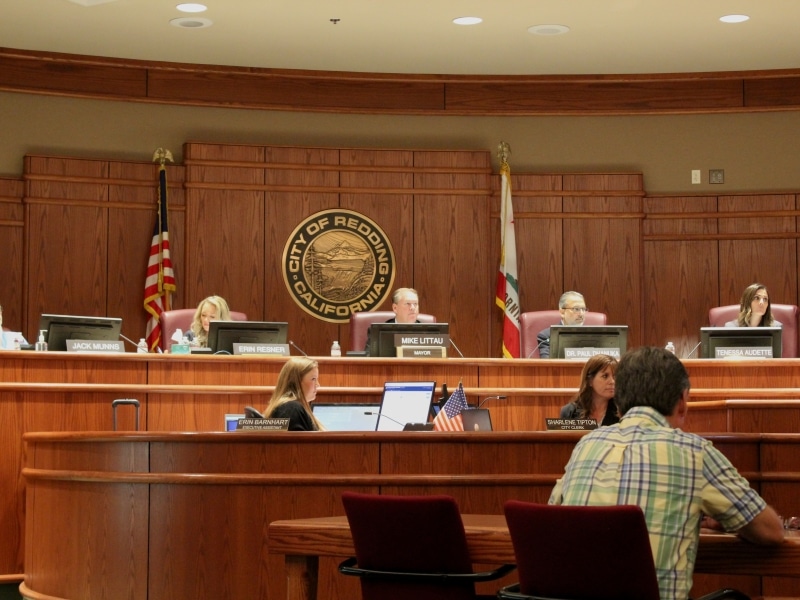
Redding efficiency study’s initial results identify $1.2 million available to return to general fund
A little over a million in funds that were designated elsewhere have been identified as available to be returned to the city’s struggling general fund. More comprehensive results and savings are expected to be presented later this month.
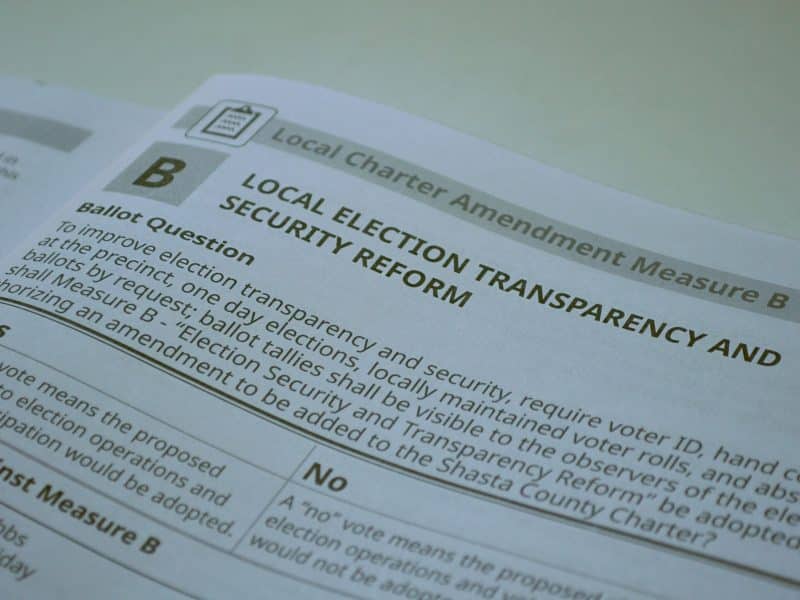
Measure B remains suspended after latest court ruling
Elections are still slated to be held as usual this fall after proponents’ most recent attempt to ensure implementation of Measure B failed in court late last week.