
Shasta supervisors approve naloxone vending machines after some debate
The board voted 4-1 to approve six new vending machines that will be stocked with the medication used to reverse opioid overdoses. Several supervisors expressed concerns over whether the new machines might encourage drug use.
Tuesday’s Shasta County board of supervisors meeting included debate among supervisors about whether naloxone vending machines should be installed in various parts of the county.
The conversation sparked questions about whether giving county residents unfettered access to the medication used to reverse an opioid overdose would be a net positive for the fight against Shasta’s substance use problems.
The majority of the supervisors voiced support for the naloxone vending machines, and the board voted 4-1 to approve the measure to add six machines to various locations in the county, including the Shasta Community Health Center and Good News Rescue Mission.
While Supervisor Corkey Harmon wavered throughout the vote, Supervisor Kevin Crye was the strongest dissenting voice. He made the argument that increasing access to naloxone “perpetuates bad behavior” and that it could enable people, especially youth, to use the medication as a safety net for when they want to experiment with opioids.
Research indicates that increasing naloxone access does not increase drug use, and that access to the medication can significantly reduce deaths caused by opioid overdoses.
“It is unethical to allow a narrow focus on the harms of drug use to overshadow an opportunity to save human lives,” reads a National Institutes of Health article about the objections to take-home naloxone.
What is naloxone, and what is the county’s plan with naloxone vending machines?
Naloxone is the medicine used to rapidly reverse an opioid overdose. According to the National Institutes of Health, “It attaches to opioid receptors and reverses and blocks the effects of other opioids,” like heroin, fentanyl and morphine.
Last year, there were over 48,000 opioid overdose deaths in the U.S. According to data on drug overdose deaths in California between 2020 and 2022, Shasta County had a higher death rate than the state average, which was about 25.3 deaths per 100,000 residents. Studies show naloxone successfully reverses more than 90% of overdoses, and that community-based naloxone distribution is effective in preventing overdose deaths.
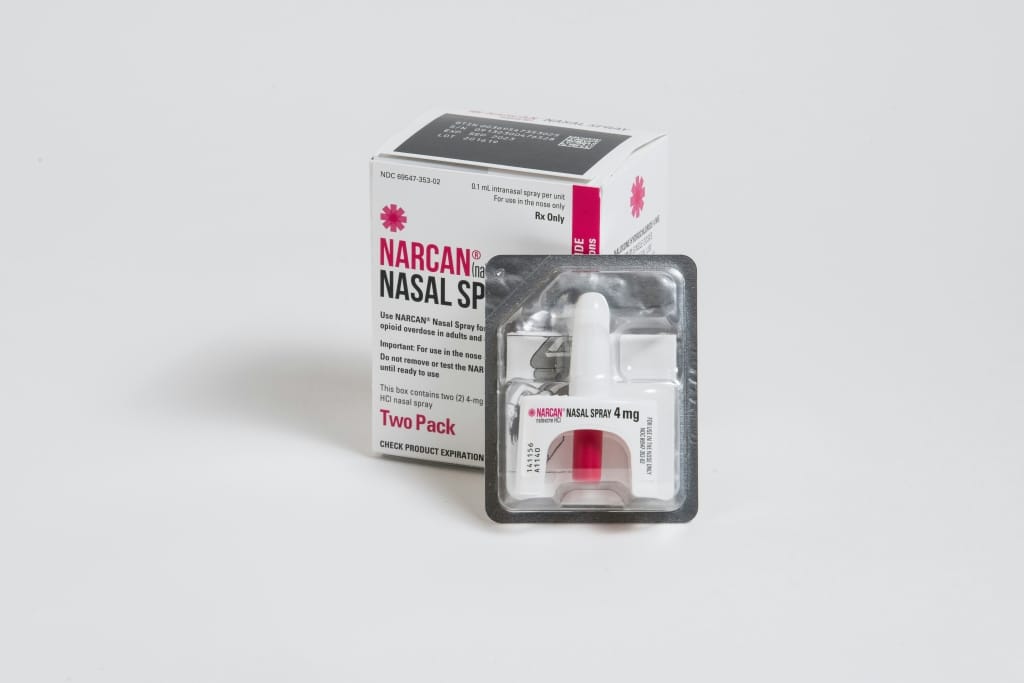
Narcan Nasal Spray is a common form of naloxone that will be used in the county’s naloxone vending machines. Shasta County Public Health Harm Reduction Supervisor Shauna Stratton, who presented the project at the Oct. 21 supervisors meeting, said six vending machines will be installed at various locations in the county, including Shasta Community Health Center locations in Redding, Anderson and Shasta Lake, as well as the Good News Rescue Mission, the Shasta County Jail, the Shingletown Medical Center and the Tri Counties Community Network.
The naloxone vending machines will collect data tracking the distribution of the medication and providing information about how it’s administered. The project will cost about $161,700 and will be funded by some of the county’s Opioid Settlement funds. The Shasta Substance Use Coalition will stock and maintain the machines.
Sheriff Mike Johnson supports the project, according to Sheriff’s Office spokesperson Tim Mapes. Shasta County Health Officer Dr. James Mu also voiced his support at the supervisors meeting.
What were the objections to the naloxone vending machines, and what does the research say?
Crye’s main concern was that widely increasing access to naloxone could enable people to use opioids if they see the medication as a safety net in case they overdose. He was especially concerned about kids in junior high and high school getting naloxone through unattended access at the machines and using it to experiment with opioids. In comments to Shasta Scout after the meeting, he mentioned the proximity of one of the locations to a local school.
While data is limited on whether naloxone access increases people’s likelihood to use drugs, the research that currently exists does not support this concern. Studies show that naloxone doesn’t lead to more or riskier drug use, and that naloxone actually results in a decreased use of opioids overall.
That’s in part because the administration of naloxone causes opioid withdrawal symptoms in the user, a reportedly highly unpleasant experience that’s been shown to be a deterrent to further drug abuse. Public Health staffer Stratton noted this point during the supervisors meeting, explaining that drug users aren’t incentivized to use naloxone because of the significantly unpleasant sensation it causes on the body and the fact that it “ruins” users’ ability to stay high.
Most of the audience members who spoke during the public comment period supported the naloxone vending machines with one sharing similar concerns as those expressed by Crye. That commenter added that she sees naloxone as something that perpetuates addiction without addressing its root causes.
While research shows naloxone reduces overdose-related deaths, the data varies on whether the medication effectively motivates people toward change. Some research shows that the near-death experience of a drug overdose serves as a catalyst to seek treatment and recovery, while other research indicates that naloxone doesn’t target the underlying problem of drug addiction.
The audience member added that failure to administer naloxone properly could lead to delayed emergency calls and further injury. She said safeguards should be put in place to ensure people know how to use the medication properly.
While studies don’t suggest that increasing naloxone access enables people to use drugs, there are specific ways in which naloxone can be administered that may be more helpful to reduce drug use. One research article explains that “increasing health awareness through training programs that accompany naloxone distribution actually reduces the use of opioids and increases users’ desire to seek additional treatment.”
Crye’s comments backed this idea. He said he supported the idea of holding town halls to educate people on opioids and naloxone — and sharing medication with the public there — but was concerned about offering Narcan via vending machines. Supervisor Matt Plummer said he supported the town hall idea, but acknowledged that there will likely be people who feel more comfortable getting naloxone from a vending machine than from their county supervisor and noted “those are probably the people who need it the most.”
Plummer added that the substance use problem needs to be addressed at each stage in order to combat it, including the areas of prevention, harm reduction and treatment.
While Supervisor Chris Kelstrom voted to support naloxone machines he mentioned during initial discussions that he was familiar with the fears Crye expressed — “But at the same time, I think overall, if it saves a life of, you know, one good person that hit rock bottom and was able to come back, I think it’s worthwhile.”
Do you have information or a correction to share? Email us: editor@shastascout.org.
Related Articles
Documents show the Shasta Sheriff’s Office attempted to enter an agreement with ICE last year. Doing so would have violated state law
The sheriff’s office took actions to enter what’s known as a 287(g) agreement with ICE last May, but the process appears to have been halted. ICE’s 287(g) program, which gives local and state officers immigration enforcement authority, has been making national headlines.

After the resignations of three board members, Cascade Union Elementary School District gains a new one: Jackie LaBarbera
Following a dispute with the superintendent, the majority of CUESD board members resigned over the last week. Shasta County Office of Education Board President Michael Orlicky has appointed SCOE Board Vice President Jackie LaBarbera to fill one of the empty seats, ensuring a quorum.
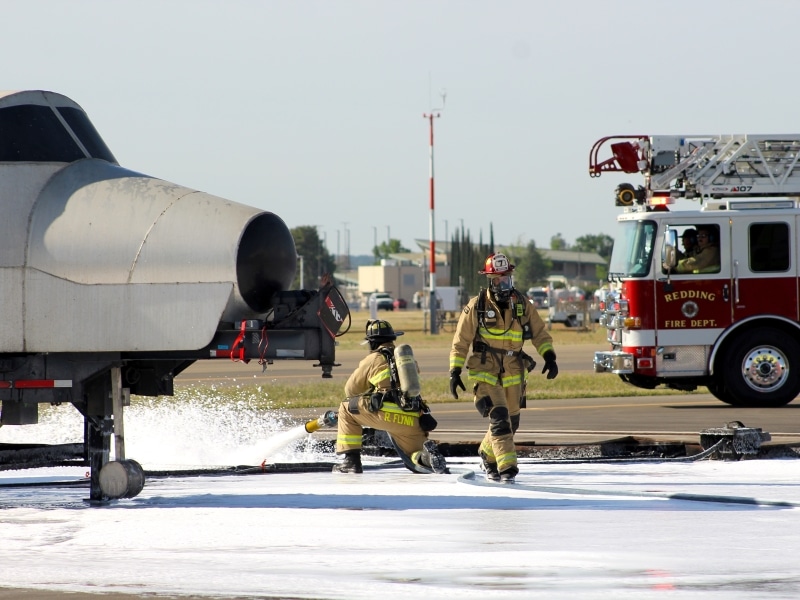
Redding Airport conducts full-scale emergency exercise to test disaster-readiness
The Mass-Casualty Incident training held last week was a “big success,” said airport Manager Andrew Solsvig. Organizers worked with local emergency personnel and airport staff to train for situations such as a plane crash or other major accident.