
Shasta County must race to meet election certification deadline of June 11
Due to the special election for California’s District 1 congressional representative, which is on the same ballot as the regular statewide primary elections, Shasta County must meet an earlier deadline to certify at least some election results.
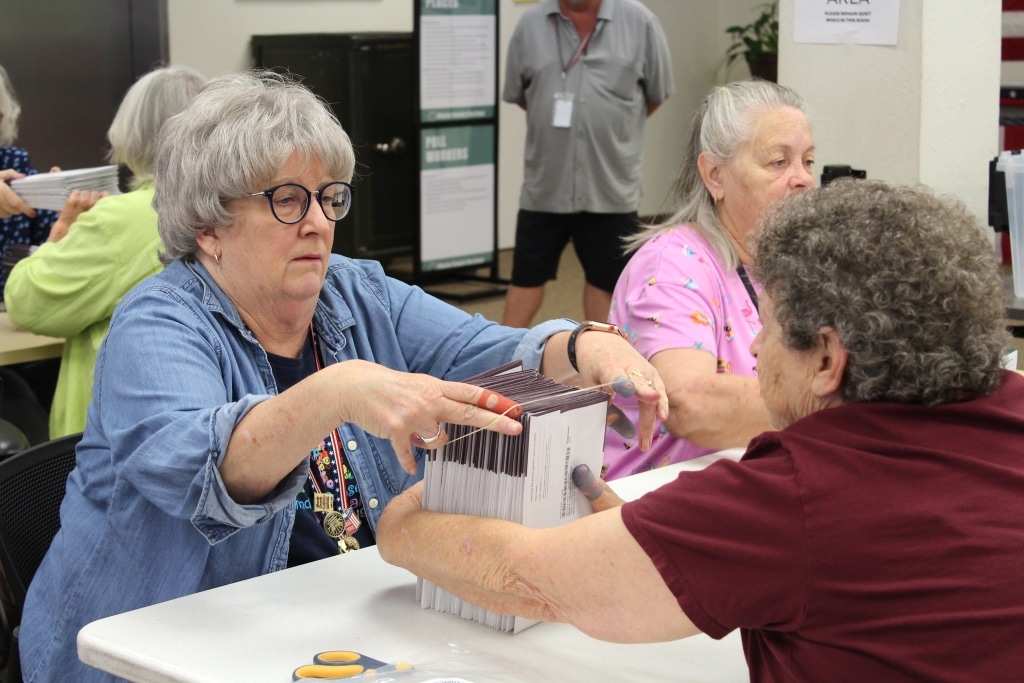
Shasta County, alongside other North State counties in California’s District 1, is on the hook to certify at least some election results to meet an accelerated state deadline of June 11, 2026.
The short timeline is necessitated by the inclusion on the ballot of a special election to fill the late Congressman Doug LaMalfa’s rest of term, which ends in early January 2027.
In addition to the special election to fill LaMalfa’s seat, Shasta’s June 2 election also incorporated a regular primary election that will determine congressional representation for the following two-year term, along with other local and statewide ballot issues.
While the deadline to certify final results for the regular statewide primary would normally be July 2, the special election being handled on the same voting ballot as all other primary elections has effectively pushed up the certification timeline for California’s District 1, including Shasta.
This morning, election manager Anna Rodriguez spoke to Shasta Scout at the Shasta County Elections office in the presence of Brent Turner, Shasta County’s assistant clerk and registrar of voters.
“Because [the special election votes] are on the ballot with everything else, that means we do have to get everything in the pot in order to certify that special election,” Rodriguez said, confirming the sped-up timeline, which has also been documented by the state.
“We’re going to do our best,” Rodriguez said, when asked if the office felt confident in their ability to meet the deadline.
Whether the regular primary election items on the ballot, which have a later state certification deadline, also have to be certified by June 11 was not clear to Rodriguez. Election official Clint Curtis has not yet responded to a related question.
Today’s election results are still preliminary as many ballots remain to be counted but James Gallagher, California’s current congressional District 3 representative, is projected to win the special election, with a little less than 63% of the vote district-wide. If a candidate receives more than 50% of the votes for the special primary election, a special general election currently scheduled for Aug. 4 will be canceled. Because Gallagher has significantly more than 50% of the votes, it appears likely that he will serve the remainder of LaMalfa’s term with no need for an August election.
June 4, 2026 2:25 pm: We have updated the story to correct a reference to a state deadline.
Have information or a correction to share? Email us: editor@shastascout.org.
Author

Comments (7)
Comments are closed.
Related Articles
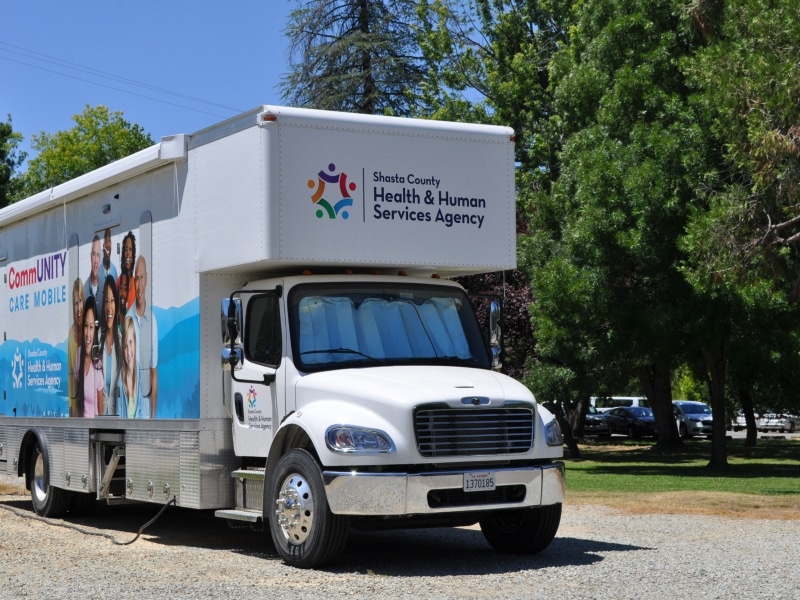
Shasta’s health and human services agency emphasizes commitment to essential services
In a press release today, Shasta County’s Health and Human Services Agency focused on its intention to continue to serve the community amid discussion by county supervisors that further cost-savings measures could include cutting essential services.
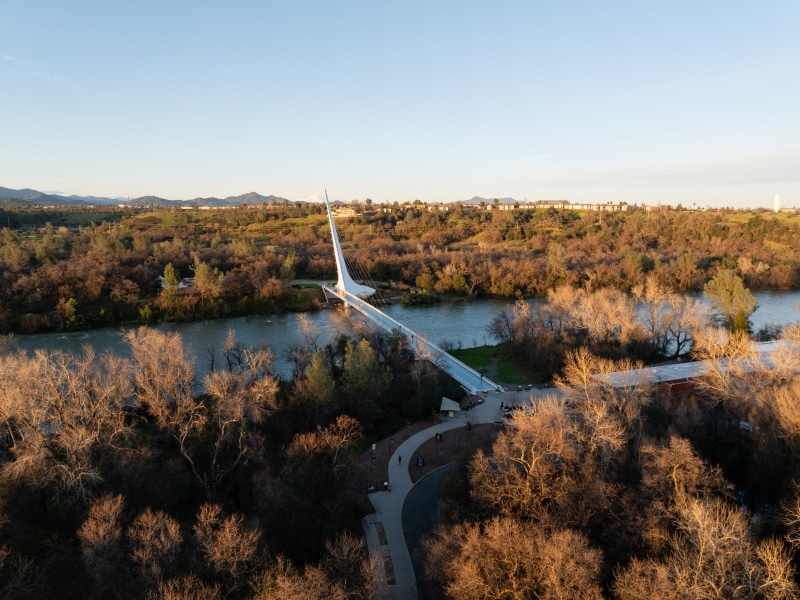
Shifts in how Redding will be marketed as a tourism destination include an emphasis on sports
The Choose Redding brand is going away as tourism groups consolidate marketing under Visit Redding. The changes are largely designed to simplify and increase user access but they also reflect a growing push to attract visitors through sporting events as part of Redding’s continued push to benefit the economy through tourism.
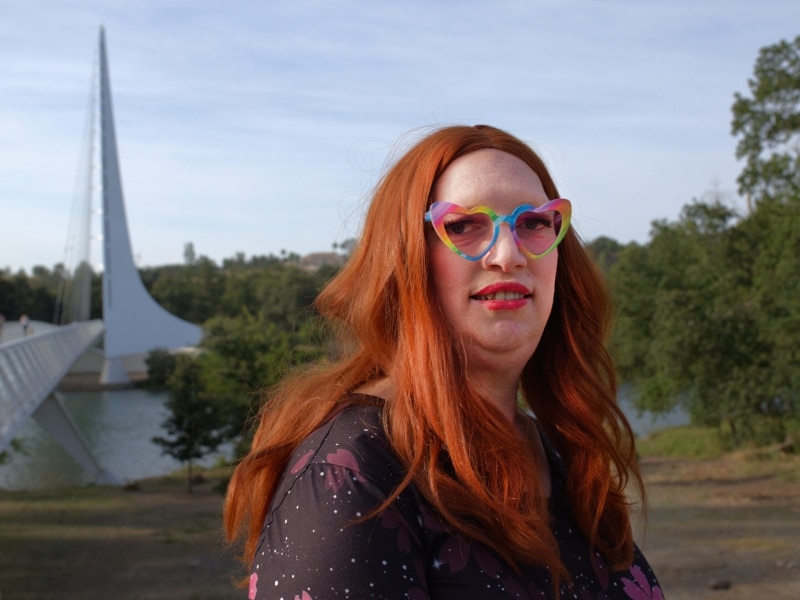
The journey of Bobbie Simpson: Transgender woman making strides on school board in deep red Shasta County
Bobbie Simpson is the first elected openly transgender person to serve on a California school board.
What happens if they don’t make the deadline?
The local corporate media is useless. Record Searchlight has everything behind their paywall. KRCR posted an update last evening about Measure B(ozo). No news of updated totals from the clown show. Thank goodness for Shasta Scout.
Selah
BURNEY VOTERS:
I voted in person at the VFW and my vote is missing. I have called the elections office and been informed they will hunt for it. A manager should call me back.
How does sorting ballots into groups of 50 expedite processing?
I can’t find an explanation for that—just that Curtis has added several layers of “sorting” to the process. As any systems analyst can tell you that added steps increases the probability of errors by adding:
.
1. More failure points. If a step is poorly designed, executed, or documented, it can cause the entire process to fail.
.
2. Increased complexity. Complexity can make it harder to trace problems back to their sources, leading to risks that were not anticipated.
.
3. Higher probability of human error. More steps mean more opportunities for mistakes, miscommunication, or failed oversight.
.
4. Longer exposure to risk. Delays, changes, or rework at any step can compound the risk over time, especially if mitigation measures are not applied consistently.
.
5. Greater resource and time investment. If added steps are not managed well, the added steps can delay delivery, increase costs, or create new operational risks.
.
I’ve suspected for some time that all of this added sorting has nefarious purposes, especially when the idiot in charge says one sort involves separating “good” ballots from “garbage” ballots. I don’t trust these yahoos to do anything straight.
Hi Brad – Curtis indicated during my elections training that they can only put ballots through their counting machine in batches up to 50. We also were told that pulling the “bad ballots” was removing ones that had writing on them what would probably not scan through those machines correctly. I worked with one of the hired “poll closers” on Tuesday at my precinct and that person was trained to look for any marks not in the rectangles, colors that weren’t blue/black or any writing. All of the ballots submitted in my precinct were “good” per their standards.
No one in that photo is racing anywhere.