Author

Marc Dadigan

Marc Dadigan is a Contributing Editor covering Indigenous Affairs and the Environment. His writing has been published in Reveal, Yes! Magazine, the Christian Science Monitor, High Country News, and Indian Country Today.

Marc's Latest Articles

State of the Tribe: Redding Rancheria Highlights Tribal Sovereignty, Health Care Services and Community Investments

At the Redding Rancheria’s first State of the Tribe address in three years, CEO Tracey Edwards emphasized the Tribe’s status as a sovereign nation seeking increased self-determination and autonomy. She also outlined the Tribe’s role in the greater community, especially in the arenas of health care and economic development.
“We Had No Choice”: A.C.I.D. Agreed To Water Cuts During Negotiations with Federal Officials

Court documents and interviews with government officials indicate that the federal water cuts that have caused devastation within the Anderson-Cottonwood Irrigation District (A.C.I.D.) weren’t a breach of the water district’s senior water rights contract. Instead, A.C.I.D. and other water contractors negotiated and agreed to the reduction in water allocations as part of an interagency effort to protect endangered salmon during California’s historic drought.

Federal Project Managers Halt Redding-Area Construction Threatening Ancestral Village Site

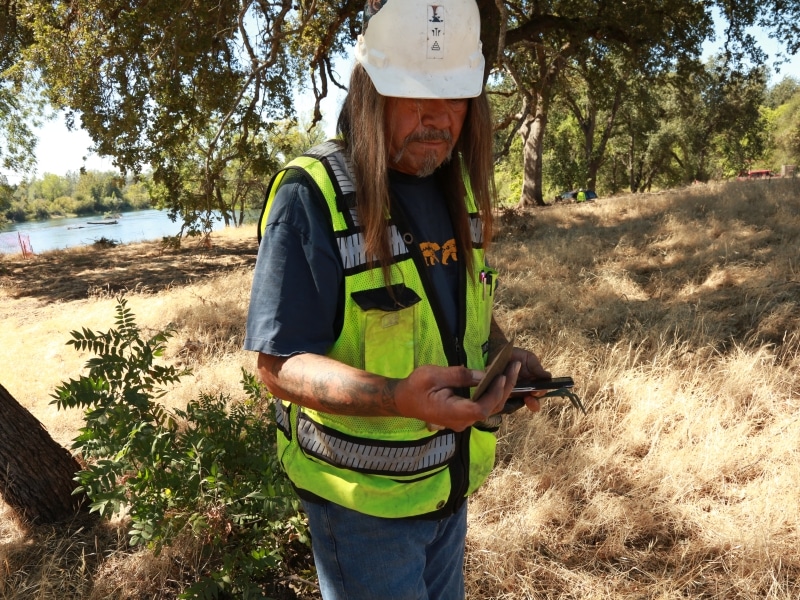
Construction on a Sacramento River trail expansion south of Redding was halted after Wintu officials investigated at the site and found that construction had exposed cultural items and was occurring close to burial sites. After weeks of negotiations with federal and city project managers, Wintu people have secured a culturing monitoring contract with the Federal Highway Administration to help protect their ancestors’ village during the trail expansion.

Building Shasta Dam Flooded Out A California Tribe. Why Are They Still Not Included in the Dam’s History?

The U.S. Bureau of Reclamation, which operates Shasta Dam, uses its Visitor Center to share a comprehensive history of the Dam's construction and purpose. What that history omits is any mention of the Winnemem Wintu, a local Tribe that was flooded out of their homes along the McCloud River when the Dam was built. Leaving the Tribe out of the Visitor Center's official narrative is intentional, scholars and Tribal members say, because it helps deny legal claims to their ancestral waters and lands now. In recent years, the Visitor Center has become the center of ongoing tensions over how the Dam’s history is told.

Tribal Picnic at Shasta Dam Triggered Federal Security Response

In July, Run4Salmon participants say they were discriminated against by Dam staff who closed the visitor center and activated increased security protocols in response to their presence. A federal official who manages the Dam said security's actions were necessary because the group had previously caused a disruption by demonstrating on site. The incident is the latest chapter in ongoing tension between the Tribe and federal officials over the erasure of Tribal history from Dam visitor center narratives.

Redding Rancheria’s Third Annual Big Time Restores a Healing Cultural Practice For Locals

More than 1500 people attended the Redding Rancheria’s recent Big Time which provided an opportunity for local Native and non-Native community members to socialize and experience traditional dances. For thousands of years, Big Time gatherings have been essential to cement relations among tribal neighbors as well as to pray for harmony and healing. But Big Times have long been absent locally due to Shasta County’s history of violent persecution of Indigenous cultures.

“We’re Praying That They Remember These Waters”: Supported By Tribal Ceremony, Salmon Eggs Return To The McCloud River After 80 Year Absence

On July 11 the Winnemem Wintu Tribe danced, sang and prayed for 20,000 endangered salmon eggs as they were returned to the McCloud River. The action is part of new collaboration with government agencies and represented a watershed moment for the Tribe. Hot Sacramento River temperatures threaten winter-run Chinook, but government scientists hope acclimating the eggs to the glacial waters of the McCloud River, their ancestral home, will help them survive.

“Wayken Pana El Pom” – New Downtown Wintu Mural  Declares ‘Everyone Is Welcome in Redding’

The newly unveiled Wintu Mural on the Cascade Theatre represents a watershed moment for Wintu and Indigenous people’s representation in what is now known as Redding. Conceptually designed by two local Wintu artists, the mural is the culmination of years of advocacy by a collective of Native activists and supporters.

The Pit River Tribe’s History of Daring Activism Will Be Brought To Life in Locally-Produced Documentary

With a focus on promoting community-wide healing, Sky Scholfield, a Shasta College graduate and tribal member, is shooting a documentary about the Pit River Tribe, whose ancestral lands span eastern Shasta and Modoc Counties. The film will explore the Pit River people’s occupations of PGE and national forest lands during the 60s and 70s and as well as their contemporary efforts to reclaim lands and cultural practices.

Superintendent of Schools Candidate Bryan Caples Comments About Native Students Are Dangerous, Parents Say

Caples is running for the position against the incumbent, Judy Flores. During a recent political forum Caples insinuated that Native students are dangerous and suggested placing them in more restrictive educational settings based on their race. Native parents and educators say they fear Caples, if elected, could make public schools more hostile environments for their youth.

In your inbox every weekday morning.

Close the CTA

THANKS FOR SUBSCRIBING!

FOLLOW US ON SOCIAL MEDIA

Find Shasta Scout on all of your favorite platforms, including Instagram and Nextdoor.