
Recent Policy Changes Have Allowed More People to Shelter At Good News Rescue Mission, Director Says
About 1600 people have been taken off a “No Services” list that previously kept them from accessing services at the shelter. The Mission still doesn’t share its full policies publicly.

8.7.24 10:00 pm: We have updated the article to add clarifying information about the No Services list.
During a presentation to the Shasta AT HOME Committee on Wednesday, June 26, Good News Rescue Mission Executive Director Jonathan Anderson said recent changes to Mission policy have almost doubled the number of unhoused people accessing shelter with his organization over recent months.
Statistics shared by Anderson with Shasta Scout show overnight guests have increased by about 35% since this same time last year, from 118 individuals up to 181. The Mission, a faith-based nonprofit with revenue of $3.8 million in 2023, has about 400 beds of which about 100 are reserved for longer-term recovery program residents.
Anderson said the increase in Mission guests is the result of changes in internal organizational policy over recent months that have reduced barriers to shelter. Those changes include clearing about 1600 people from an internal “No Services” list. Being on placed on that list, which could occur for any number of reasons, meant community members couldn’t access beds, meals or laundry services.
Anderson clarified for Shasta Scout after this article was initially published that the large number of people on the No Services list developed over a period of about twelve years, with approximately 100 community members a year being added to that list. He emphasized that the number not allowed to receive services has always been a relatively small percentage of the 2,000-3,000 guests that Mission serves annually.
The Redding Police Department has long used Mission beds as proof that adequate, accessible shelter is readily available to the unhoused. During RPD “sweeps” of homeless encampments, “red tags” placed before police enforcement list the Mission as the available shelter option.
But both the City and Shasta County have been aware of the barriers to access at the Mission for some time.
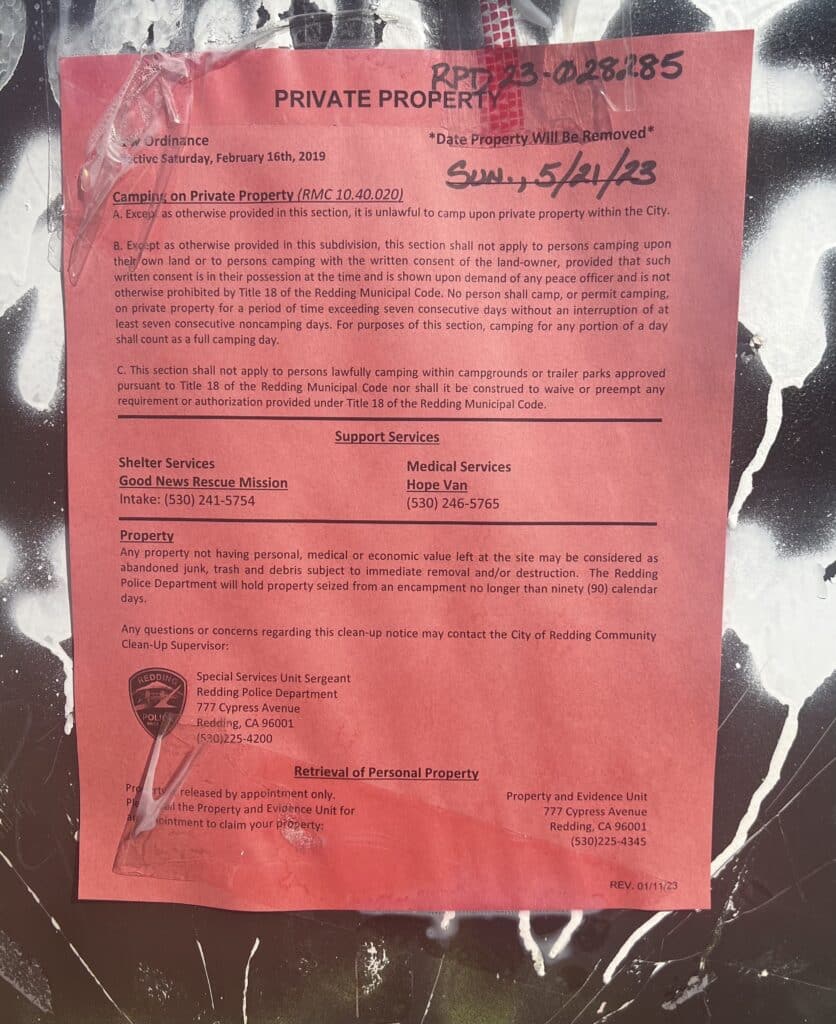
In November 2022 during police enforcement related to homeless camps at the Nur Pon Open Space, City Manager Barry Tippin told Shasta Scout that the homeless were not being cited for illegal camping “except in rare instances,” because doing so might prove legally problematic given barriers to shelter access.
And shortly after Nur Pon was cleared, Shasta County’s Health and Human Services Agency Supervising Community Education Specialist Amy Koslosky confirmed for Shasta Scout that the only immediately available shelter option in the county is the Mission and “there are rules for staying.”
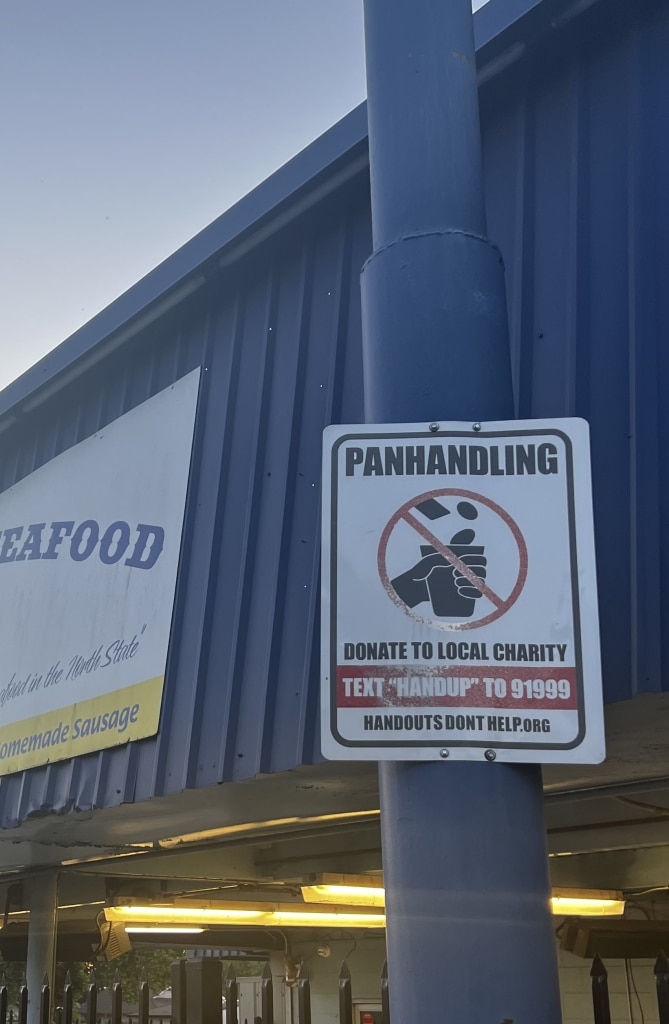
For years, unhoused community members have told local law enforcement, members of the media, and service providers that they find the Mission’s shelter space inaccessible due to numerous policies, including those that restrict access to substances, pets and medications and length of stays.
Alissa Johnson, an unhoused community member and award-winning cellist who also writes opinion columns for Shasta Scout, says that for her, the Mission’s thirty-days-in, thirty-days-out policy was a dealbreaker.
“When I sleep inside for thirty days I get soft,” Johnson said, “I start sleeping deeply again. It’s better to just stay outside and remember to stay alert.”
That rule, like many others, has changed, Anderson told Shasta Scout by texts and emails last month. He said changes to the policies are still in process, but he outlined some of the most significant updates.
The Mission’s hours of operations have been changed to allow people to stay on part of the campus during daytime hours instead of being asked to leave at 7 am and not return until 5 pm. Guests are also now allowed to shelter overnight at the Mission for up to 180 days even if they’re not enrolled in any programs. They can place their illegal substances in the Mission’s “amnesty section” while they shelter and the organization is piloting a program that allows those with dogs to kennel their pets next to their beds overnight.
“Our Guest Services team has been rewriting guidelines to match the intentions of our heart,” Anderson said.
In an email Anderson shared with Shasta Scout, Mission Guest Services Manager Cassi Coonce told him the wording of Mission rules has taken on a more welcoming, informative tone as compared with the “militant, threatening” tone of the past. For example, the policies, which used to be known as “Rules and Regulations,” have been renamed to “Guest Rights and Responsibilities.”
Some community members remain on the Mission’s internal “No Services” list but even those people are now allowed to access meals at the Mission, a policy change which was made in response to staff requests, Anderson said.
“We are already seeing a difference in the behavior of those people (who are still on) No Services,” Coonce wrote to Anderson regarding that policy update.
“They can see that we care because we are no longer allowing them to starve, and they are changing the way they react/respond to us. They leave property without incident now whereas before it could be so problematic that we would have to call LE. Hopefully, this not only cuts down on the number of calls we make to LE but also, maybe it will help a little with some of the theft of the homeless stealing food from local businesses.”
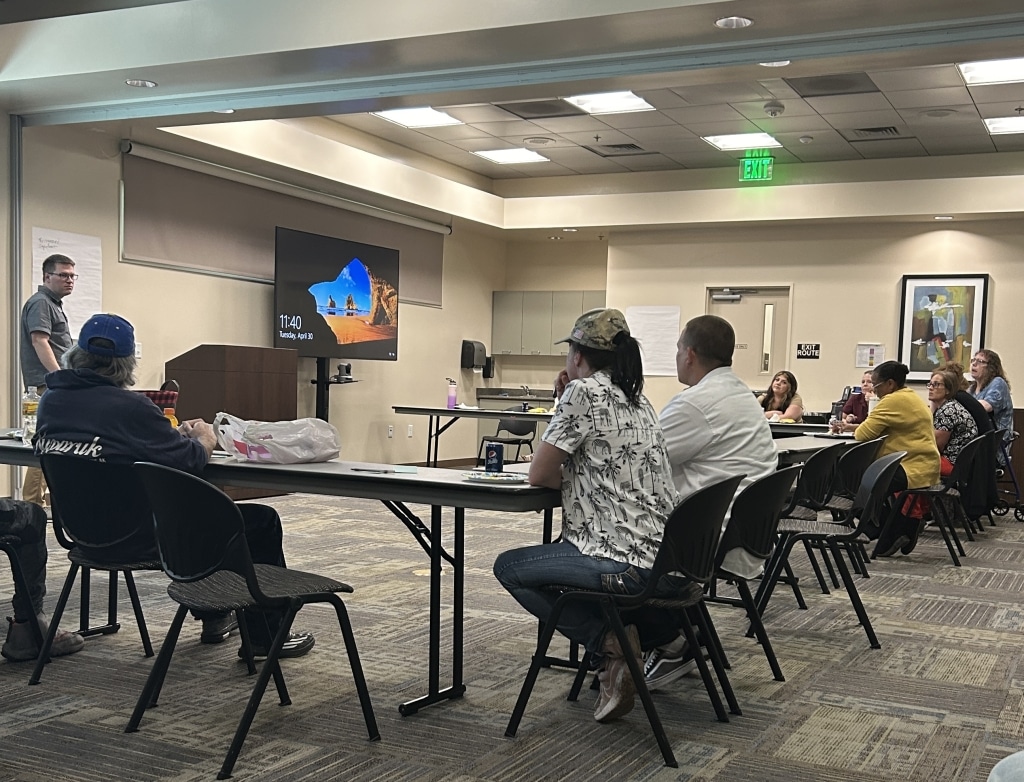
During a public stakeholder meeting facilitated by the Mission at Shasta Community Health Center on April 23, one community member openly discussed what she referred as the “elephant in the room”, that some homeless community members lack access to the Mission or don’t want to stay there due to the policies and practices they’ve experienced there.
Mission Development Director Justin Wandro, who was facilitating the stakeholder meeting, received the criticism openly and noted the concern on a list of barriers, referring to it as “Mission trauma.”

Anderson says decreased barriers to access at the Mission are the result of staff-wide philosophical changes that are occurring after “a year-and-a-half process of investing into a new foundation for service.”
There have also been recent developments in the Mission’s partnership with the City. A few months ago Redding granted the organization $500,000 for repairs to the Mission’s aging buildings and $157,000 to operate an interim day center on site.
The Council also recently approved a multi-million-dollar forgivable loan to the Mission to develop and operate a long-term day center for the unhoused community, in collaboration with other community partners.
While Mission policies have never been public, policies for the inter-agency day resource center will be, Anderson said.
Do you have a correction to share, a question to ask, or information we should know? Email us: editor@shastascout.org.
Author

Comments (8)
Comments are closed.
Related Articles
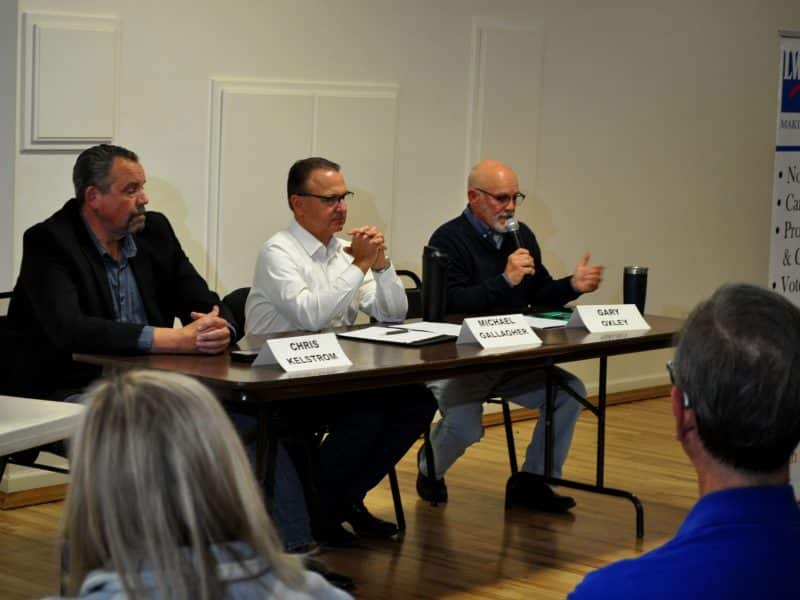
In Anderson, Shasta’s District 5 candidates debated mental health facilities, Measure B, and county jail operations
Retired nurse and business owner Gary Oxley, Anderson City Council member Mike Gallagher, and incumbent Supervisor Chris Kelstrom duked it out over pressing issues important to voters in the rural south county.

Electoral candidates for Shasta’s District 1 discuss elections, mental health, and the conduct of the county board
Richard Gallardo, Erin Resner, and Kevin Crye answered questions from the public on hot-button issues, outlining their campaign promises ahead of the June primary.
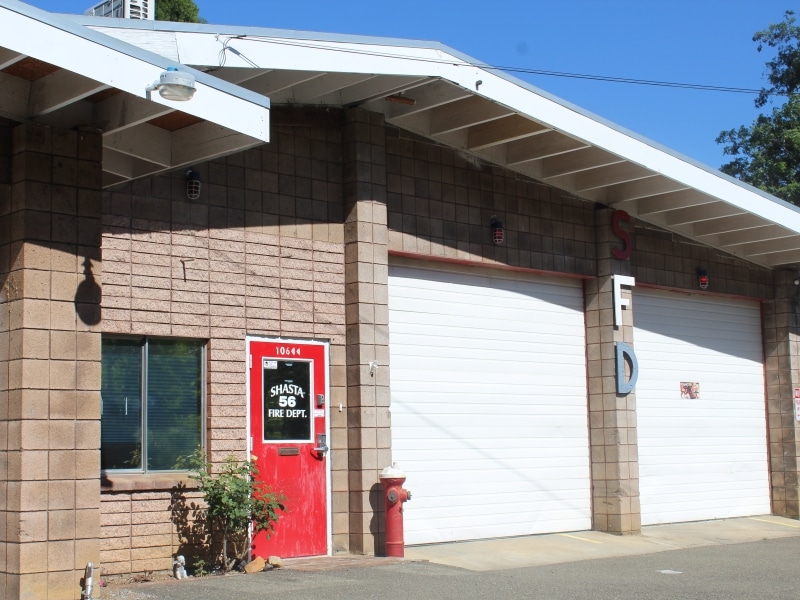
Complaints of alleged misconduct face sharp pushback from Shasta Fire Protection District officials
Former district employee Kelly Hughes accused Fire Chief Michael Steineke of misconduct at the small fire protection district’s board meeting on Wednesday. She was initially discouraged from speaking in the public forum, a right protected by the First Amendment and California’s Brown Act.
A lot of agencies are doing the Lord’s work! A lot of agencies would have liked to receive $3 million+ from the city to help achieve that goal. Why is one agency getting so much money and not sharing their policies? What do they need to hide from the public from whom they are receiving the money? If they are proud of the work they are doing, they should share how they are doing it so that everyone can understand how they are helping those in need. There might be a gap that others can fill.
Hi Marci! I work for the Mission and I would love to give you and any who would like a tour of our facility. Please email me mmoseley@gnrm.org
As for the many agencies who would also like to be in on some of these grants, it is not so easy. Most grants have VERY specific requirements for the funds to be awarded. Plus, they need to be actively pursuing the grants as well, which most non-profits are indeed doing. An example of a grant requirement could be: Must have a present, and available, housing for the unsheltered. Must have showers and bathroom facilities. Must have commercial kitchen to adequately prepare meals for hundreds of people at a time. Must have staff to facilitate and enforce the grant requirements. These are just a few of what many grants require. I don’t believe our Executive Director is “hiding” anything. We would love to have you come down for a tour. I promise. you will be pleasantly surprised.
This facility is a faith based 501C doing more good in this county than any liberal piece of crap newspaper could ever do. As soon as I see one of these liberal news outlets make recommendations or give up some of their money instead of begging for the Public’s monies themselves, I will listen to them. Why do you find it necessary to try and expose some kind of malfeasance within an organization that is doing the Lords work?
If 1600 names are on a do not serve list at the mission then the point in time of homeless of around 900 total must be way off! Maybe a better count would make more state and federal funds possible?
Mike: This list includes people who may no longer live in the area as it is an accumulation of people added to the list over a twelve year period. I apologize for any confusion. Great question.
If the city is granting the mission money to repair their buildings and to have an interim day center, then their policies should absolutely be public. Also if law enforcement is using the mission as a justification for the ability to remove people from campsites, we need to know the barriers to staying there including the policies.
Well stated, Marci, I couldn’t agree more. I am pleased to see some steps in the direction of more inclusive and welcoming policies at GNRM, but there’s no reason I can imagine why their policies should not be publicly available.
Absolutely agree – if it’s being treated as a public resource with grants and other financial help from the public, then the public needs to know why they deny service to anyone in need.
Faith/Religion should not be used as a shield against the right of the public to know where their money is spent.