
The Whiskeytown Environmental School was heavily damaged in the Carr Fire. Today, the community is working to fully revive it
Over 97% of the Whiskeytown National Recreation Area was burned in the Carr Fire, including WES. The damage halted programs for children that have been in place for decades. Five years later, WES is still working to bring back its beloved overnight camp.
When Redding resident Robert Hanson was in sixth grade, he spent five days at the Whiskeytown Environmental School camp with his classmates. It was 1980, and Queen had just released the song, “Another One Bites the Dust.”
During the hikes Hanson and his peers went on, the kids would sing the hit song every time someone tripped and fell. It became so popular among the campers that one of the counselors drove into town on the second to last day of camp, bought a record of the song and played it at the camp’s Friday night dance. It became a lasting memory for Hanson.
“Every time I hear it on the radio, I just have a little bit of a smile,” Hanson told Shasta Scout at a fundraising event held last month for WES.
As youth raised in Shasta, Hanson’s wife and children also attended the WES camp, and he’s hoping that his grandkids will have the same meaningful experiences he did at the camp. But the effects of the 2018 Carr Fire, which heavily damaged the area where the camp was held, halted the five-day overnight program. It still hasn’t restarted.
The damage caused by the fire initiated years of planning and fundraising by the leaders of the nonprofit that supports the environmental school. Their goal is to revitalize the WES campus so that the camp can continue to be a place to create memories for today’s youth and many generations to come.
From a community tradition to a rebuilding mission
WES opened at Whiskeytown National Recreation Area in 1970 as part of a federal effort to create more ecology programming in schools. The school is operated by the Shasta County Office of Education on land managed by the National Park Service.
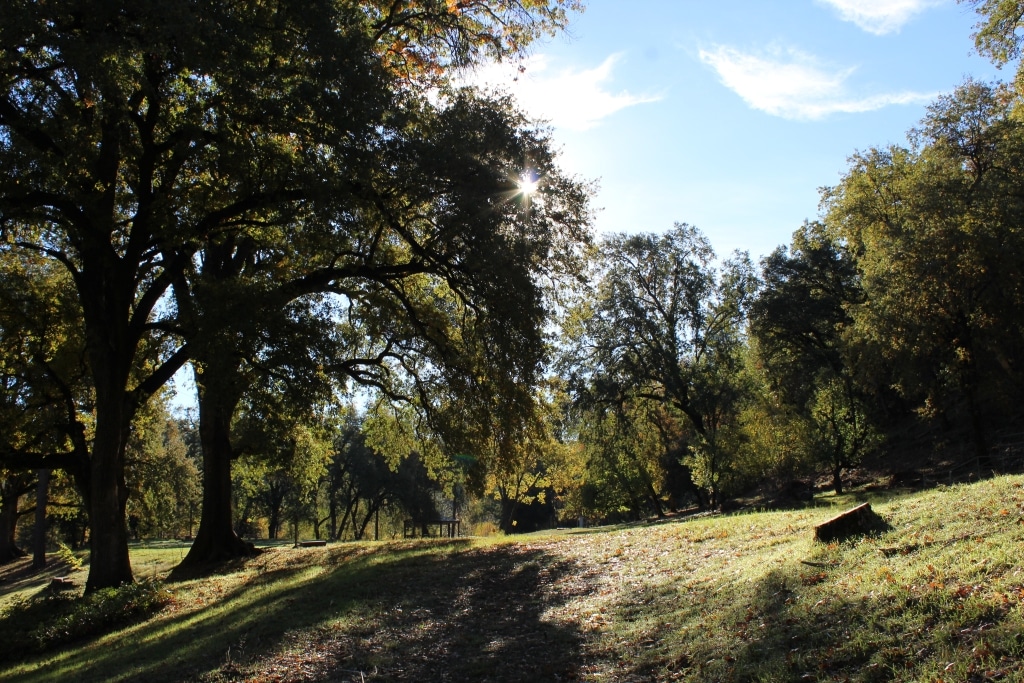
WES serves students in kindergarten through eighth grade in both Shasta and neighboring counties. Before the Carr Fire, it ran three programs that served around 4,500 students a year: the five-day overnight program, one-day field trips and week-long summer day camps. The daytime programs reopened at Whiskeytown in 2021, but the overnight program isn’t expected to return for another several years due to extensive damage to cabin facilities from the Carr Fire.
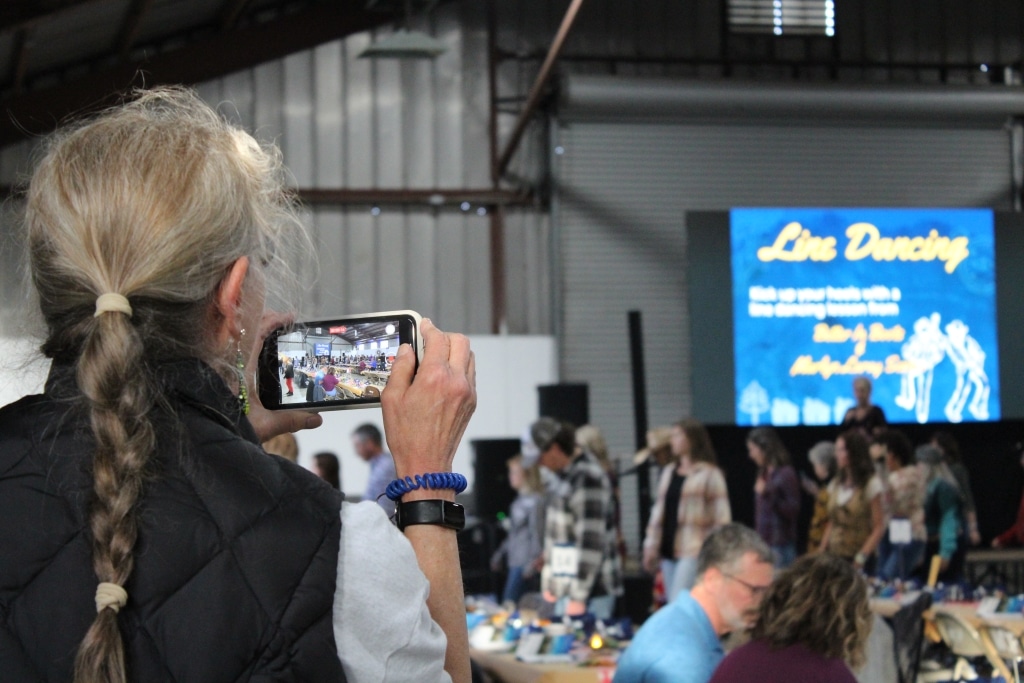
WES Community is a nonprofit run by volunteers that serves as WES’ fundraising partner and supports its education and science mission. The organization held a fundraiser on Oct. 25 to raise money for the rebuilding of the school. More than 300 people attended the “Back to Camp” event at the Shasta District Fairgrounds, according to WES Community President Melinda Kashuba.
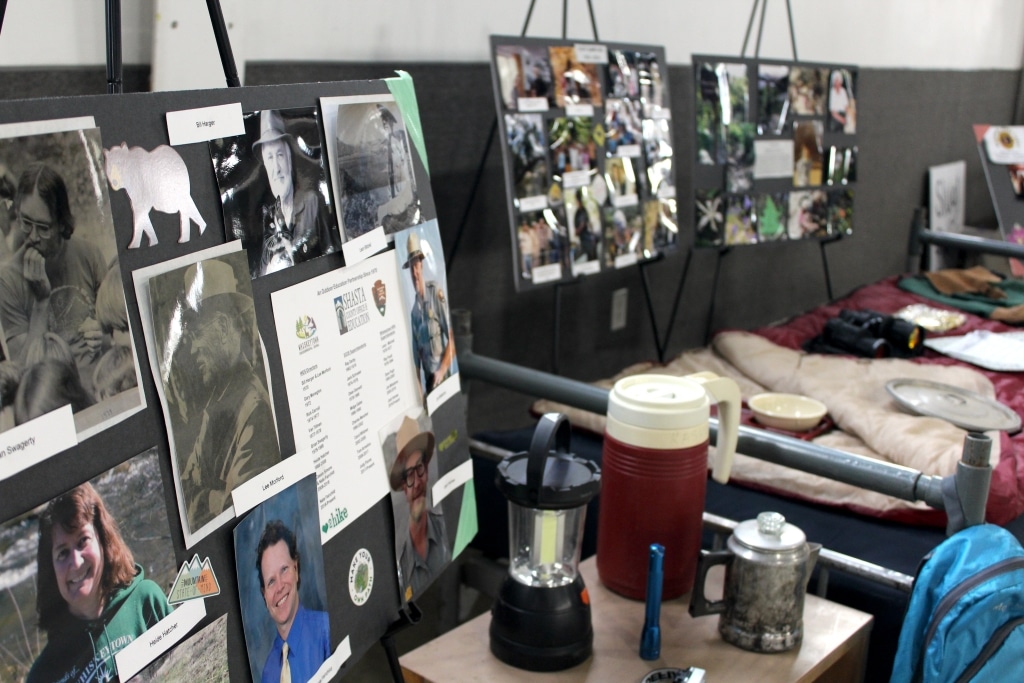
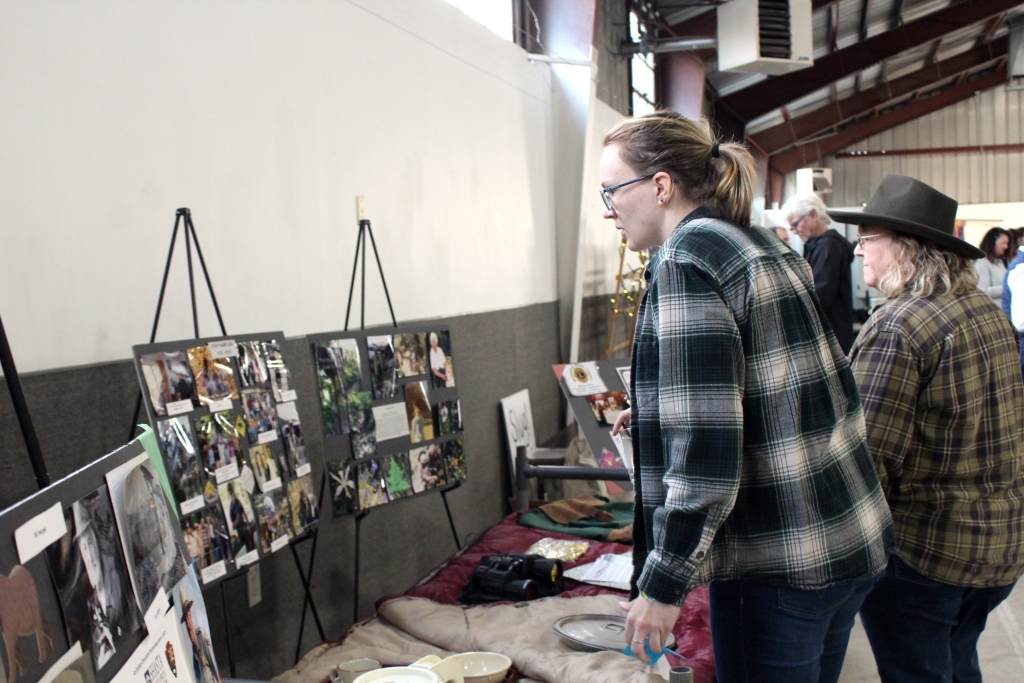
During that event, the fairground center was lined with bunk beds holding camping gear and posters full of pictures showing decades of stories and adventures. Those who attended, including many who went to WES as children, recalled to Shasta Scout their favorite memories from their week at camp: learning about native plants, “night hikes” through pitch black forest land and playing with a giant ball that looked like Earth, among many other highlights.
Speaking to a reporter at the event, Traci Shields, who was a cabin counselor at WES in 1985, talked about another girl who both went to WES camp and volunteered at the program later in high school. She said it left such an impression on the girl that she eventually became a program director for an outdoors education program in New Orleans.
Shields said the camp is important for kids to get a chance to be outside, especially in today’s world of screens.
“The WES experiences start to open the kids’ minds to what’s outside in all those hills and mountains we see when we look around our community here in Shasta County,” Shields said. “[It] gives them some tools and hopefully engages them in a way that lets them feel comfortable when they want to go outside themselves.”
The fundraising event, organized by Leadership Redding’s Class of 2024 for its end-of-program project, raised about $90,000.
When the overnight program was still running, kids would stay in cabins, receive lessons on ecology, math and literacy and participate in daily social activities. The school uses Next Generation Science Standards to give children an immersive, hands-on learning experience that also meets their school curriculum requirements.
SCOE Director of Science Nate Fairchild said the office of education has been closely involved in the rebuilding process “since immediately after the fire hit.” He said SCOE has maintained a strong partnership with NPS for the construction and operations phases, and that SCOE is still providing programming for WES — last school year, almost 3,000 students participated in the daytime field labs at WES, Fairchild said.
Fairchild emphasized the importance of the overnight camp, explaining that the public sees it as “the heart and soul of what Whiskeytown Environmental School is.”
“It’s a rite of passage,” he said. “The camaraderie, the learning, everything that happens so well at WES.”
Both Fairchild and WES Community President Kashuba explained that many school districts paid for their students to attend the residential camp, oftentimes doing fundraisers to ensure all students could attend. They said SCOE assisted when possible.
“The amount that came in from the schools was not enough to fully fund the program, so SCOE supplemented it financially because we recognized the need of the community and always wanted to keep the price as low as possible,” Fairchild said. He added that grants were used when possible to support low-income schools.
“Everybody loves WES, everybody wants it back, and we could not be more grateful to WES Community for their monumental fundraising efforts,” he said.
The impact of the Carr Fire, and the path to recovery
In 2018, the Carr Fire burned over 97% of the Whiskeytown National Recreation Area, making it the most destructive fire in National Park history.
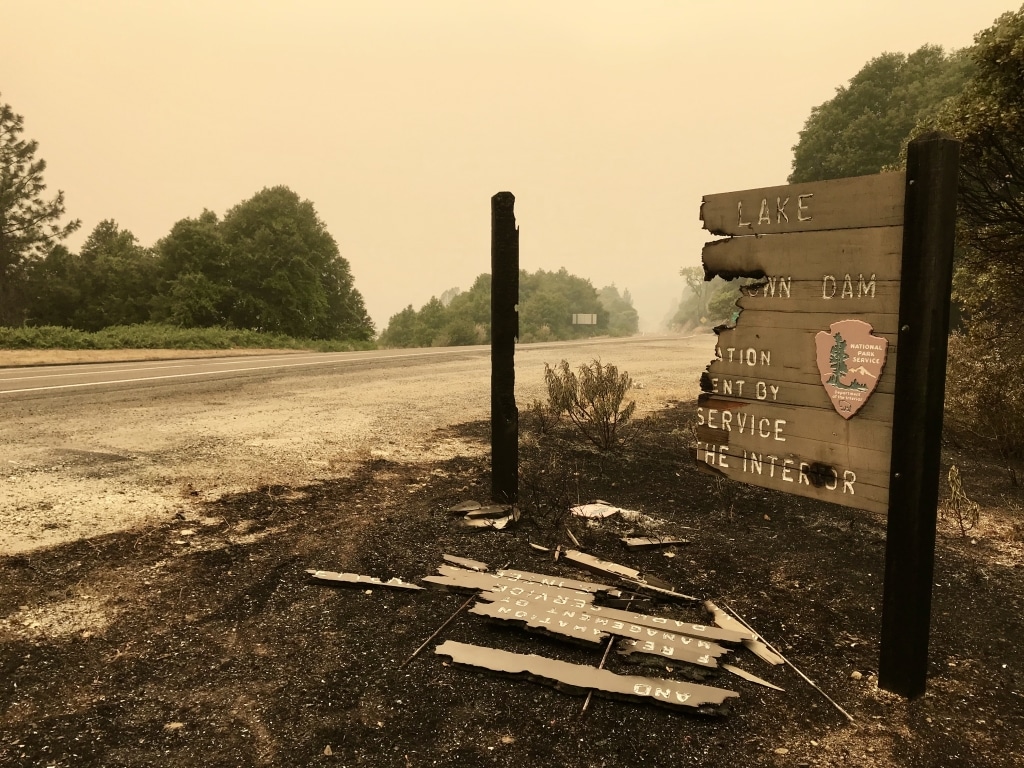
Kashuba, who was taking refuge at her sister’s house during the fire, said she vividly remembers seeing on the news a picture of the WES camp surrounded by smoke with a few white cabins still standing. She said she had thought the whole camp burned to the ground the day before, and she remembered thinking, “Oh my God, it’s still here.”
While parts of the camp were still standing, the damage to the camp was significant enough for it to be closed for several years. Almost half of the cabins were obliterated, electrical systems were fried, and there was a significant risk of ongoing debris flow in the area during rain.
After the fire, Kashuba wasn’t sure what the nonprofit was going to do about WES — or if it was even possible to bring the camp back. Professionals from NPS were concerned about the debris flow in the area, and SCOE considered moving the program to a new location in case it couldn’t return to Whiskeytown.
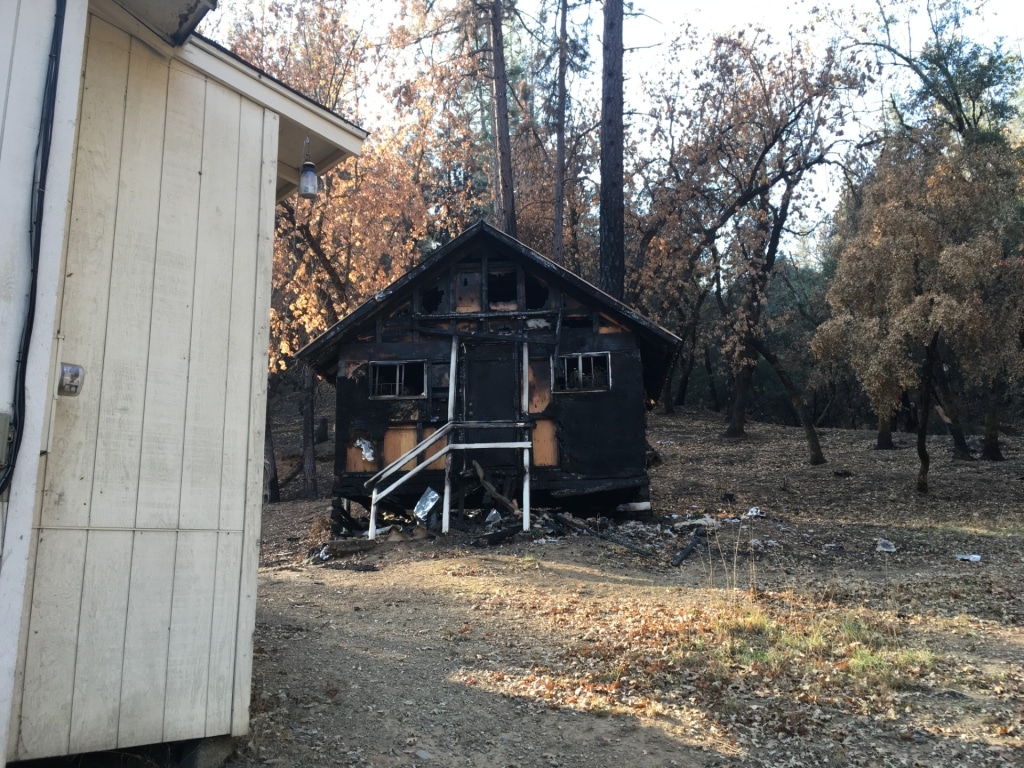
But after surveying the area, NPS gave the green light to rebuild the camp. Fairchild with SCOE said the office looked at 31 different sites to potentially build on, but found the original WES campus location was best because of the ideal weather conditions in the Whiskeytown National Recreation Area and the natural biodiversity of the area that assisted in field labs and the residential program.
“I actually thought we’d find a better site than WES; the site was torched. It was down to mineral soil with all the trees dead,” Fairchild said. “What we found is that there is no better site.”
The daytime programs at WES were brought back in 2021 after the campus was cleaned up from the fire and deemed safe for kids to return. In the following years, WES Community worked on raising money through a combination of grants, fundraisers and donations while planning the rebuild for the overnight camp.
Kashuba said a common misconception is that insurance money can be used to rebuild the camp, which isn’t true because SCOE insured the program itself, not the buildings and land since that’s owned by NPS. SCOE did, however, use insurance money to fund school trips to Lassen Pines in the spring after the Carr Fire for the kids and schools that had contracts to go to WES camp the previous year.
Without insurance funds, WES Community began the formidable rebuild process with a feasibility study to establish whether enough money could be raised to afford the rebuild. The study predicted that at most, $3.3 million could be raised from the community.
But Kashuba said the community has consistently shown up bigger than expected to support WES. Before October’s fundraiser event, almost $6 million had been raised. The nonprofit’s new fundraising goal is $7.5 million. Kashuba said the nonprofit is hoping the more funds they raise, the easier it will be to compete for matching fund opportunities through NPS.
“That just shows the level of commitment to our community and the generosity of our community,” Kashuba said.
WES Community is currently in the process of environmental permitting, planning infrastructure placement and restoring different features of the camp, including the centerpiece pond and amphitheater.
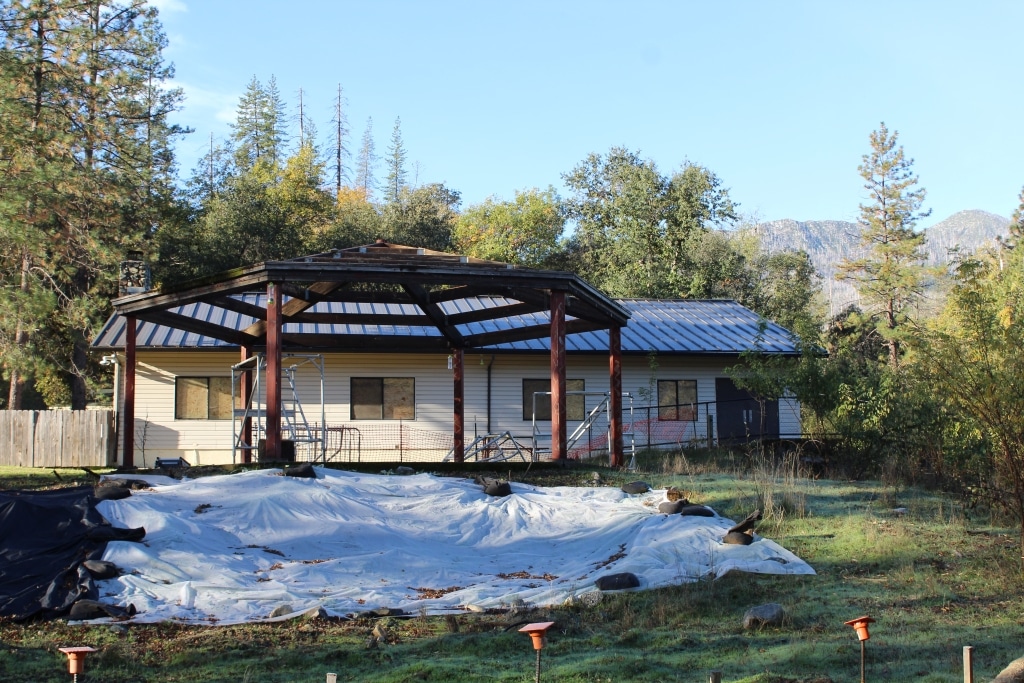
Kashuba said the Carr Fire created an opportunity to make necessary changes to the camp.
“Yes, it was a horrible tragedy,” she said, “but it was also a way to reimagine what the camp could do, to modernize the camp.”
She said the entire process has taken much longer than she anticipated, but that the program will come back no matter what. The overnight program isn’t expected to return until late 2027 or early 2028, Kashuba said.
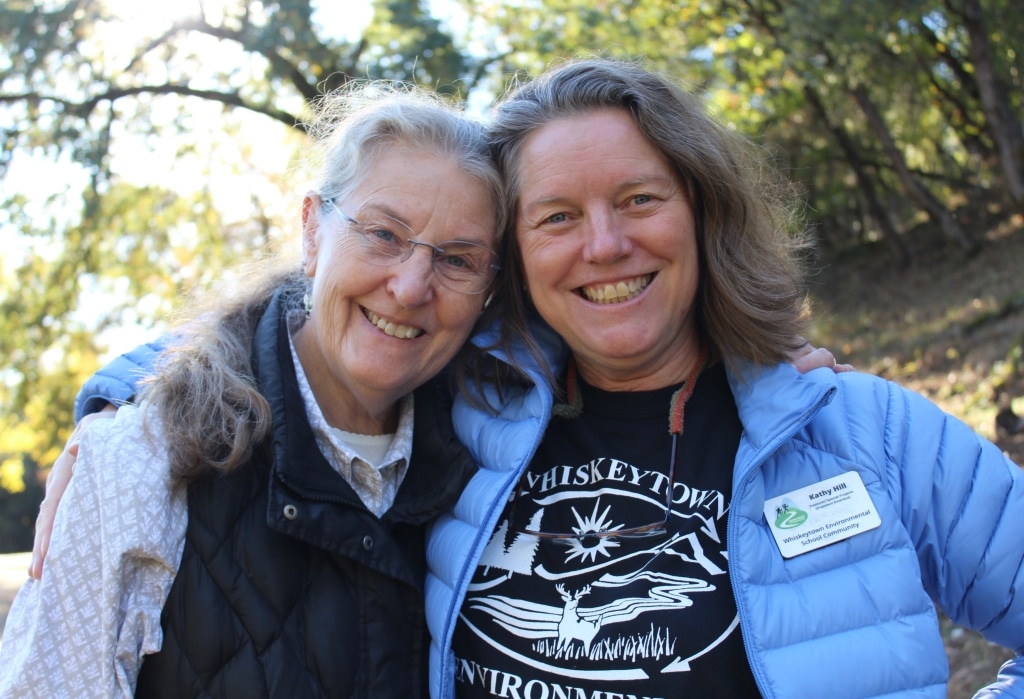
Every year, she said, her heart breaks at the fact that another set of students won’t be able to experience the overnight camp. But WES Treasurer and former President Kathy Hill explained how she remains positive when asked how much longer it’ll take for the program to restart.
“When we’re faced with this daunting question, we excitedly, wholeheartedly remind ourselves that it’s going to serve for the next 50 years, and after, it’s going to serve for another 50 years and beyond,” Hill said.
There will be several changes to the original WES camp, including bathrooms attached to each of the cabins with hot water and showers, accessibility features for campers with physical disabilities, a dispensary with medicine and first aid supplies, an administration building close to the camp’s entrance and more.
WES teaches lessons that last a lifetime
In an interview with Shasta Scout at the WES campsite, Kashuba and Hill watched as a group of giggling and wide-eyed children on their day trip for environmental learning at WES walked around the space that formerly held over a dozen cabins.
Kashuba said when she looks at groups of children at the camp, she envisions how such an outdoor experience might impact them and their futures.
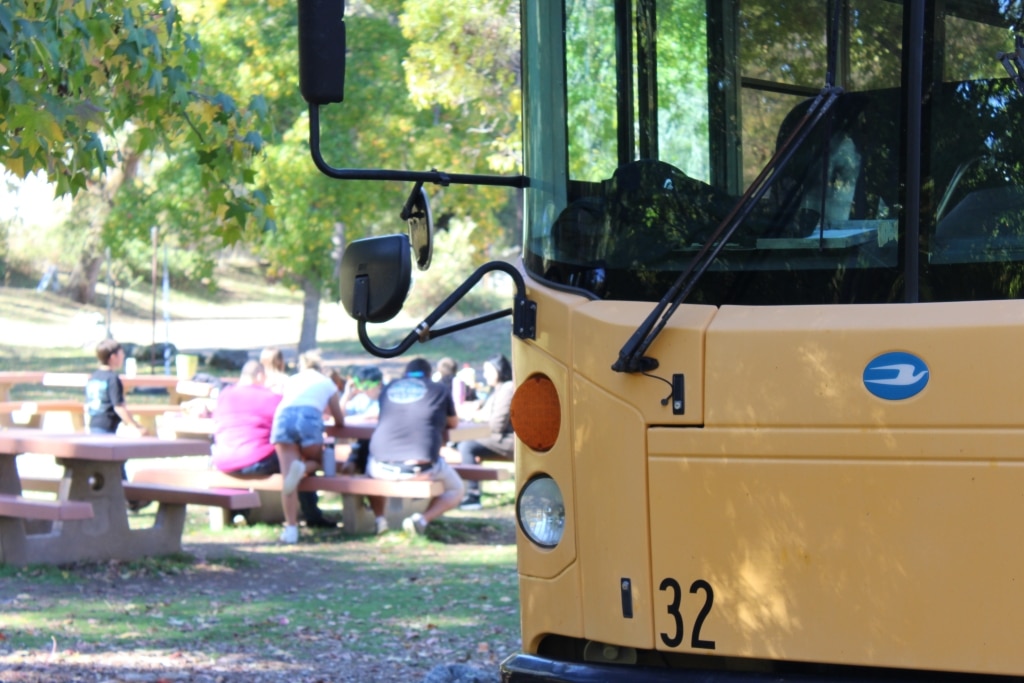
“To be able to understand that you’re part of the natural world, I think, is very important,” she said. “It’s important to the survival of human society, as well as the natural world. And among these people here that I’m looking at right now could be future foresters, could be people who will be farmers, too. You just never know what lands.”
She said that even if these kids move to an urban setting with little nature in the future, the experiences they have at WES will carry with them, adding that while the specific facts they are taught may go away, the feeling of connection with the natural world will stay.
“There could come a time in their future life where they’re living in another place; they won’t remember all the facts about the water cycle, but the feeling of being together out here and having a positive experience in nature, that will come back to them,” she said.
Do you have information or a correction to share? Email us: editor@shastascout.org.
Comments (1)
Comments are closed.
Related Articles
Wintu people say proposed reforms to a state list of tribes is erasure, threatens their homelands
A state commission’s proposal to remove Wintu and other federally non-recognized tribes from a consultation contact list would leave cultural sites vulnerable to destruction, tribal members say, and represents a form of unconstitutional discrimination.
Decision on city financing for the Ironman competition tabled by Redding City Council
The council’s decision followed a tense discussion on financial spending. The item will be brought back into discussion on Feb. 17. An Ironman official says he’s not concerned about the delay.
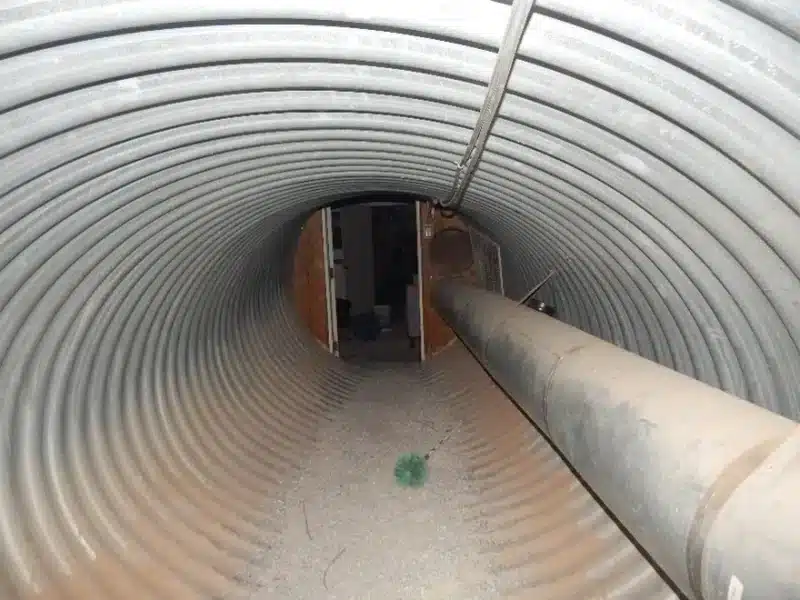
Shasta man had illicit marijuana grow and underground bunker in addition to illegal weapons, CHP says
A press release from the California Highway Patrol alleges that Michael Kamfort was operating an illegal grow when he was arrested on weapons charges, including manufacturing a “ghost gun,” on Tuesday in Anderson.
Thank you for this article and highlighting such a great educational resource to our community.
My students had attended WES Camp for years and the closest we can come to helping my current students is the daytime field trips, so we are committed to doing those.
I look forward to bringing a class to a new 5-day camp in the future.