
First gathered by Native forest stewards, pine mushrooms are now accessible for all to forage, with a paid permit
With the changing season, a highly-valued species of edible mushroom begins to fruit in the forests of Shasta County. Local foragers are invited to search for it — under the supervision of the U.S. Forest Service.
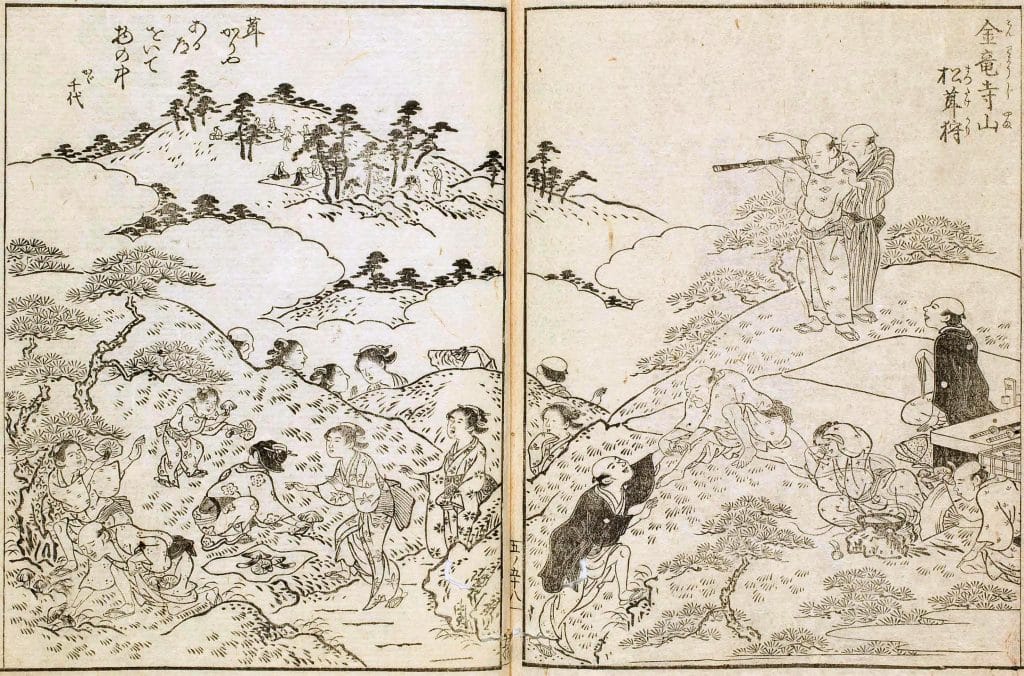
The matsutake mushroom is a prized fungus on the island of Okinawa, one of the southern islands that makes up the nation of Japan. Translating to “pine mushroom,” matsutake thrive in the shaded environment beneath canopies of trees. Though their name is Japanese, similar strains of this fungi grow in the Chinese Himalayas, eastern Europe, and locally in the Trinity National Forest.
Up the Pacific coast, various species of similar pine mushrooms have been historically cultivated by Indigenous people during the autumn season, including by the Karuk tribe of Northern California. In their language, the matsutake mushrooms are called “xayviish,” pronounced hi-weesh.
As Indigenous authors have pointed out, the decline of Japanese pine mushroom cultivation that first began in the 1970s had incentivized the mass foraging of xayviish mushrooms in North America by the 1990s — often fetching high prices.
Referring to the fungi by its Japanese name, today the U.S. Forest Service announced the beginning of pine mushroom harvesting in Shasta County. In addition to visiting a local pumpkin patch or apple orchard, local foragers can explore the McCloud area of the Shasta-Trinity National Forest in search of these fungal delicacies from September 15 through November 30.
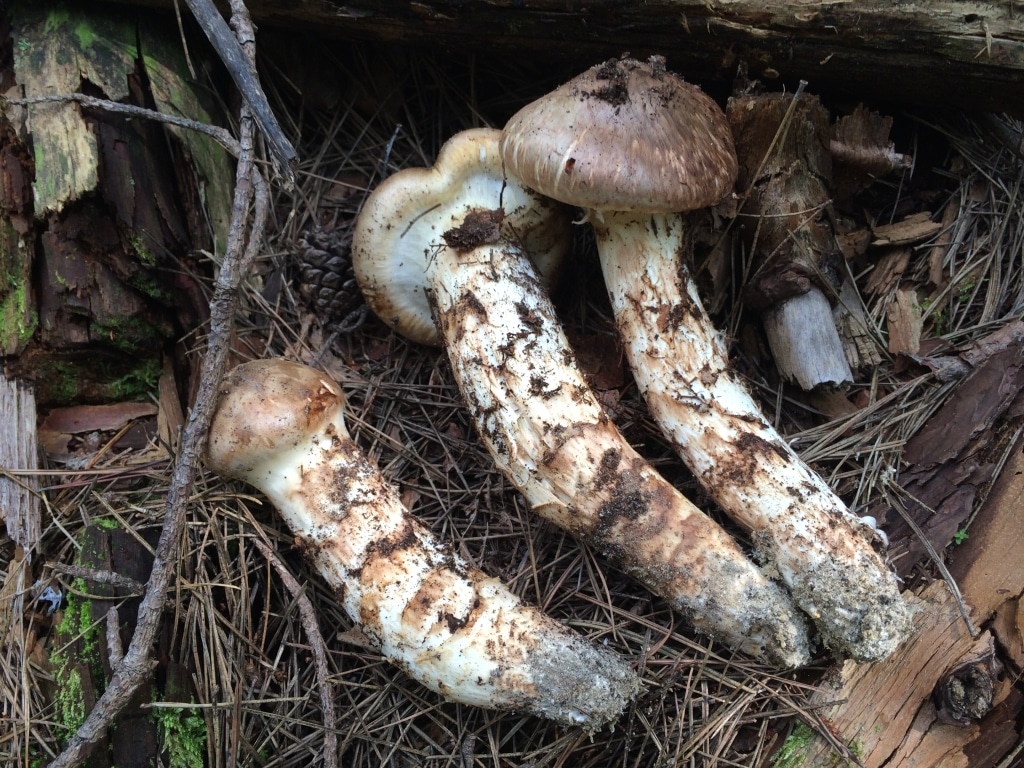
A commercial permit is required to pick matsutake mushrooms specifically, though other kinds of mushrooms can be foraged for free. Permits can be purchased at the McCloud and Mt. Shasta ranger stations. Rates are as follows:
- $5 per day/pound with a 4 consecutive day/20-pound minimum for $20; each additional consecutive day is $5
- 30 consecutive days (or 1 month permit) for $100 with a 100-pound maximum.
- Season permit for $200 for a 200-pound maximum.
Exercise caution when foraging. Many species of mushrooms are poisonous, but there are ample field guides to help foragers properly identify edible fungi. One characteristic of the mutasake mushroom is its distinctively dirty yet cinnamon-like aroma when picked.
Picking or being in possession of Matsutake mushrooms from national forest lands without a valid permit is illegal, the Forest Service’s press release emphasized. The permit holder must be at least 18 years of age, have a valid ID, and fill out the harvest log ensuring to keep track of the dates picking occurs. Foragers are requested to refrain from raking or otherwise disturbing the ground cover when harvesting the mushrooms, something which can prevent future growth in that area. Rangers will be monitoring the grounds during the season and foraging or possessing matsutake mushrooms without a permit will lead to a citation, the Forest Service says.
Many Native peoples have responsibly foraged for mushrooms and other plants for centuries through reciprocity–based practices. California’s permit system is one of the ways the state’s efforts at ecological preservation are sometimes at odds with Indigenous land stewardship practices.
Do you have a correction to share? Email us: editor@shastascout.org.
Related Articles
Wintu people say proposed reforms to a state list of tribes is erasure, threatens their homelands
A state commission’s proposal to remove Wintu and other federally non-recognized tribes from a consultation contact list would leave cultural sites vulnerable to destruction, tribal members say, and represents a form of unconstitutional discrimination.
Decision on city financing for the Ironman competition tabled by Redding City Council
The council’s decision followed a tense discussion on financial spending. The item will be brought back into discussion on Feb. 17. An Ironman official says he’s not concerned about the delay.

Shasta man had illicit marijuana grow and underground bunker in addition to illegal weapons, CHP says
A press release from the California Highway Patrol alleges that Michael Kamfort was operating an illegal grow when he was arrested on weapons charges, including manufacturing a “ghost gun,” on Tuesday in Anderson.