
Some Shasta County Roads Will Have New Names As California Rids Geographic Places of Language Used to Denigrate Native Women
Two Indigenous women presented new place name suggestions, rooted in the ancestral languages spoken by the area’s Native people. The Board renamed all four roads, approving Native naming suggestions for three of the four.
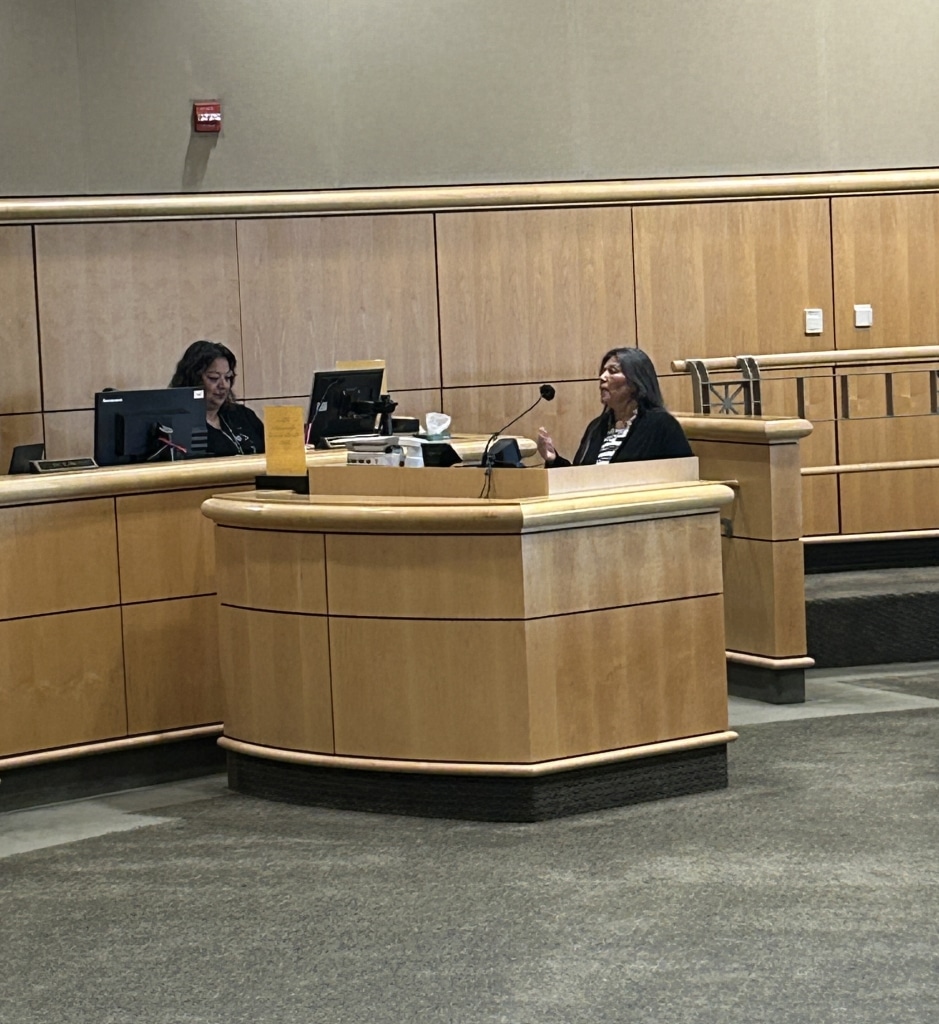
To meet the demands of California Assembly Bill 2022, on Tuesday, October 29, the Shasta County Board of Supervisors made plans to rename four roads in the County whose current titles contain the anti-Native and misogynistic slur “sq*w.”
AB 2022 requires government agencies across the state to consult with local Native communities on recommendations for new names. According to the bill, there are over 100 geographic markers and places state-wide that still contain this slur. Once removed from geographic nomenclature statewide by January 1, 2025, maps, signs, and databases will be updated.
In Shasta County, the four affected roads include “Squ*w Valley Loop Road” near the border with Siskiyou County, “Squ*w Grass Trail” in Bella Vista, and two roads near Shingletown, “Squ*w Carpet Drive” and “Squ*w Springs Road. The roads are located in the unceded ancestral lands of the Yana and Wintu peoples.
As required by the new California law, Tribal representatives in the area were asked to suggest new place names. Michelle Radcliffe-Garcia (Wintu Tribe of Northern California) and Louise Davis (Pit River), who represented their Tribal communities by suggesting alternative names, both spoke during the meeting Tuesday.
The origin of the term is disputed. Many claim that it is derived from the term “young woman” in Algonquin, while others believe it derives from the Iroquois word for female genitalia. Regardless, the vernacular use of this slur has been leveraged against Native women by White settlers in both common usage and US Census and government documents.
For those fighting to have it removed from road signs across California, the term recalls an extremely painful legacy. Art Garcia (Wintu), who described himself as an elder and headman, explained that this slur was historically used in context with the systematic enslavement, sexual abuse, and femicide of Native women. His community’s aversion to the word goes back generations.
“I remember going to Sq*w Creek campgrounds. The elders back then would say, ‘I wish they would change it,’ and that was over 60 years ago,” he said.
Supervisor Kelstrom, who represents District 2, where some of the roads are located, expressed repeated concern about the difficulty 911 operators and other first responders might experience in knowing how to say or spell the newly proposed Native names–such as “Boychalimemton paniik”–to which he proposed “Wintu Valley Road” instead.
Davis, a Cultural Resources Coordinator for the Redding Rancheria, critiqued the notion that some of the proposed names were too difficult for the people of Shasta County to pronounce.
“Everybody got used to saying the name squ*w. They can get used to saying these Tribal names to at least honor the people of this land,” she said. “You will learn these names, just like we had to learn English.”
Radcliff-Garcia pointed out that the names she and Davis had recommended came out of lengthy research into forming names in the languages that dominated this area before Indigenous lands were encroached upon by settlers.
Kelstrom asked her if she thought the name he had suggested, “Wintu Valley Road”, would be offensive, to which Garcia replied that it wouldn’t be her first choice.
“It’s very important for our Wintu people that we are still here, and for future generations to see our Wintu language reflected in our homelands,” she said.
The effort to change the derogatory place names was not without community critics. Jane Hopper, who said she is a partial owner of one of a private trails whose name contains the slur, wrote to the Board by email before the meeting that she was “vehemently opposed to renaming Squ*w Grass Trail to anything else,” in large part, she said, because the trail is not maintained by the County and therefore should not be subject to renaming. State law does not allow for that exception.
Hopper spoke at the meeting, suggesting that the road she lives on be changed from “Squ*w Grass Trail” to Blue Grass Trail, a suggestion supervisors acted on, choosing the name she had recommended.
The other three roads under consideration were renamed to match the suggestions submitted by Native women. “Squ*w Carpet Drive and Emergency Fire Escape Road” will become Bama’du Drive, “Squ*w Springs Trail” will be K’etewala Trail, and “Squ*w Valley Loop Road” will be Chali mem paniik Road.
The new titles will be reviewed by the California Advisory Committee on Geographic Names for final approval.
Do you have a correction to share? Email us: editor@shastascout.org.
Comments (6)
Comments are closed.
Related Articles
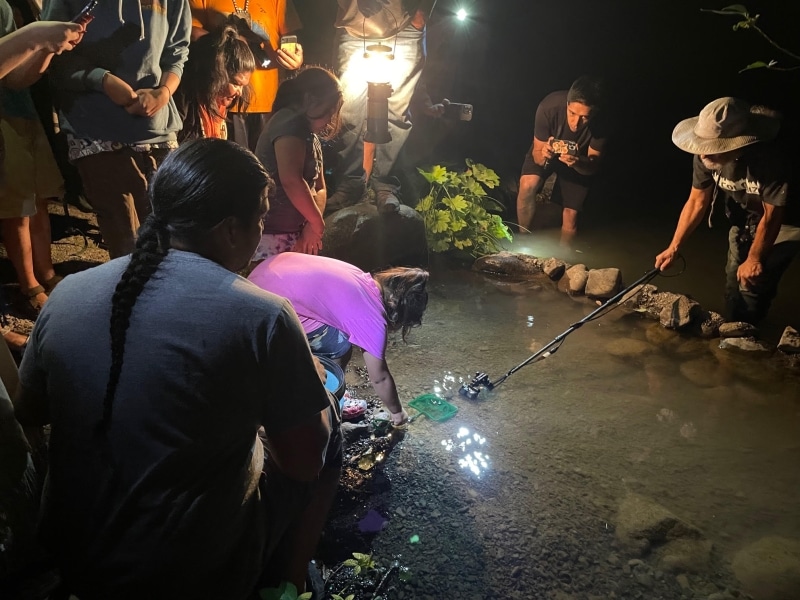
Wintu people say proposed reforms to a state list of tribes is erasure, threatens their homelands
A state commission’s proposal to remove Wintu and other federally non-recognized tribes from a consultation contact list would leave cultural sites vulnerable to destruction, tribal members say, and represents a form of unconstitutional discrimination.
Decision on city financing for the Ironman competition tabled by Redding City Council
The council’s decision followed a tense discussion on financial spending. The item will be brought back into discussion on Feb. 17. An Ironman official says he’s not concerned about the delay.

Shasta man had illicit marijuana grow and underground bunker in addition to illegal weapons, CHP says
A press release from the California Highway Patrol alleges that Michael Kamfort was operating an illegal grow when he was arrested on weapons charges, including manufacturing a “ghost gun,” on Tuesday in Anderson.
I think many people agree that this change is for a good reason. Troubles with names and words can be difficult. It can be understood through tough thorough thought, though.
Squ*w Carpet Drive and Emergency Fire Escape Road” will become Bama’du Drive,
Translation: Deer Dr.
“Squ*w Springs Trail” will be K’etewala Trial
Translation: Blue Jay Trail
“Squ*w Valley Loop Road” will be Chali mem paniik Road.
(Chalee mem Pah-neek)
Translation: Good Water Circle
Michelle: Thank you for sharing this!
So, using “historic” names that will be hard to pronounce, hard to spell, “because people can learn to use them”, honors past Native American peoples. I disagree.
The troubles those names will cause, for little reason, means that the issue will be
revisited again, and probably generate bad feelings among different groups.
Blue Grass; okay. Chali mem paniik Road; really?
Glen: I’m not sure why you used the word historic, these names are drawn from languages that are actively being revitalized by living Native people, our community members. I think it’s up to each of us how we choose to feel about it, or what feelings we decide to hold towards others.
Can someone translate what the new names mean? thank you