
Here’s How Proposition 1 Would Affect Shasta County
Proposition 1 means a smaller pot of funding coming from the state to counties and less control over how that money is spent. There is no certainty that any of the treatment facilities or housing units will provide direct benefit to Shasta County.

On March 5, Shasta County voters will vote on Proposition 1. It’s a state ballot measure that will change how mental health funds are spent. It would fund treatment facilities and housing units and change how state tax funds designated for mental health uses are spent.
Here’s what you need to know.
What’s a proposition?
A proposition, also known as a ballot measure, offers the voters the opportunity to decide for themselves whether to make something law. In other words, ballot measures offer voters the ability to participate in direct, rather than representational, democracy.
Why are propositions used?
Some issues cannot, by law, be decided by the people’s representatives, and instead must come directly to a vote of the people. Other issues end up on the ballot as a way for legislators to bypass making a direct decision.
In the case of Proposition 1, an affirmative vote of the people is needed both to authorize new state borrowing and to change how the state uses an existing tax that was put in place by another vote of the people in 2004.
What is Proposition 1?
Proposition 1 is one idea for how to respond to California’s homelessness crisis. Many unhoused people living in California, including many in Shasta County, are experiencing mental health and/or substance use challenges that contribute to their inability to become, and stay, housed. Promoted by California Governor Gavin Newsom, Prop 1 promises to take more people off the streets by housing them in treatment facilities or supportive housing units.
The Proposition includes two parts. The first part would authorize just under $6.4 B in new state bonds, or loans from the public’s money, to build new mental health treatment facilities which would include about 6,800 beds. Repaying the bonds for this project will cost taxpayers $310 M a year for thirty years.
The second part of Proposition 1 would shift about $140 million dollars annually in what are known as Mental Health Services Act funds from it’s current allocation to counties, back to the state. That money will be used to fund grants that local jurisdictions and Tribes can apply for to build a total of 4,350 supportive housing units in locations yet to be determined. It would also require counties to spend more of their portion of Mental Health Services Act funds on housing for those with mental health and substance use concerns rather than using the funds to respond to immediate mental health needs.
There are about 172,000 unhoused people in California right now. If the Proposition meets its goals, when the facilities and housing units are complete, it will reduce homelessness by about 6.4% statewide.
What is the Mental Health Services Act ?
As just mentioned, Proposition 1 would change how funds from the Mental Health Services Act (MHSA) are both allocated and spent.
Statewide, MHSA funds bring in about $3 B annually from a 1% tax on millionaires. The majority of those funds, or 95%, go directly to California counties to respond to mental health and substance use needs. Under current law, MHSA funding is flexible and allows counties to choose how they will respond to the mental health needs of their community.
How would Proposition 1 affect Shasta County?
Shasta County’s 2023/2024 fiscal year budget includes $13 M in MHSA funds. The exact amount changes from year to year based on tax revenue. That’s Shasta County’s share of the 95% of the millionaire tax that counties across the state are allocated.
The Proposition would decrease the amount of MHSA funds that California designates to Shasta County by up to 5% which would equal a loss in mental health funding of around $700,000 annually. It would also redirect the use of some of Shasta County’s portion of MHSA funds away from direct mental health services and towards housing and housing supports, reducing Shasta County’s available funding for the mental health services currently provided by these funds.
A report from the Legislative Analyst’s office expressed concern that the state has not appropriately reviewed how changes to MHSA funding will affect the ability of counties to provide appropriate services.
Currently, the majority of Shasta County’s MHSA funds are being used for programs designated as Community Services and Supports. These include outreach programs, crisis response team costs, the Shasta Triumph and Recovery (STAR) program, and supports for those with occurring disorders. Many of these programs serve Shasta County’s most vulnerable community members, many of whom are experiencing, or at risk for, chronic homelessness.
The majority of Proposition 1 funds will support the building of more housing and treatment facilities across California but there is no guarantee that any of those beds or units would serve Shasta County. And if they did, there would be new costs to consider since Proposition 1 only guarantees funding for building, not for operations.
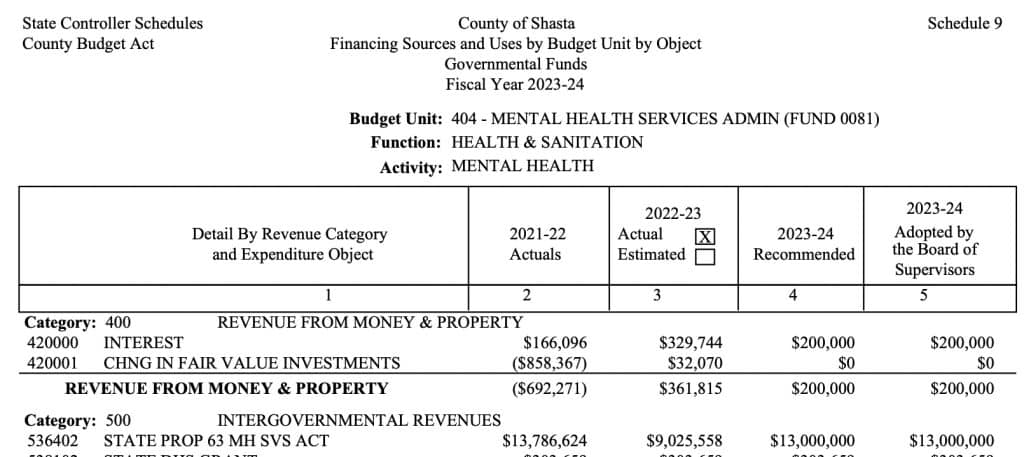
A section of the Shasta County Budget with line item detail for MHSA funds.
Why do some people support/oppose Proposition 1?
Supporters of Proposition 1 say that it will respond to California’s urgent homelessness crisis by providing housing and treatment for those most in need. Some believe that county health funds provided by the MHSA are not reaching those who need it most, including those with substance use disorders and severe mental health needs so they support the idea of predesignating how those funds are distributed and utilized.
Opponents say that the measure would reduce local control over mental health services funding by reducing the funds counties have access to and redirecting how those funds can be used. Some are also concerned that recent changes to how the measure is written would also allow some unhoused people to be involuntarily housed in new facilities built with California tax dollars.
Who supports/opposes Proposition 1?
According to CalMatters, over $20 M has been raised to convince voters to choose Proposition 1. Supporters include teacher’s unions, labor unions, business associations, hospital associations, the National Alliance on Mental Illness (NAMI) and the Steinberg Institute.
Only about $1000 has been raised to oppose the measure. Opponents include the Howard Jarvis Taxpayers Association, Disability Rights California, the League of Women Voters, Mental Health America, and the American Civil Liberties Union.
Have questions, concerns, or comments? Reach out to us: editor@shastascout.org.
Author

Related Articles
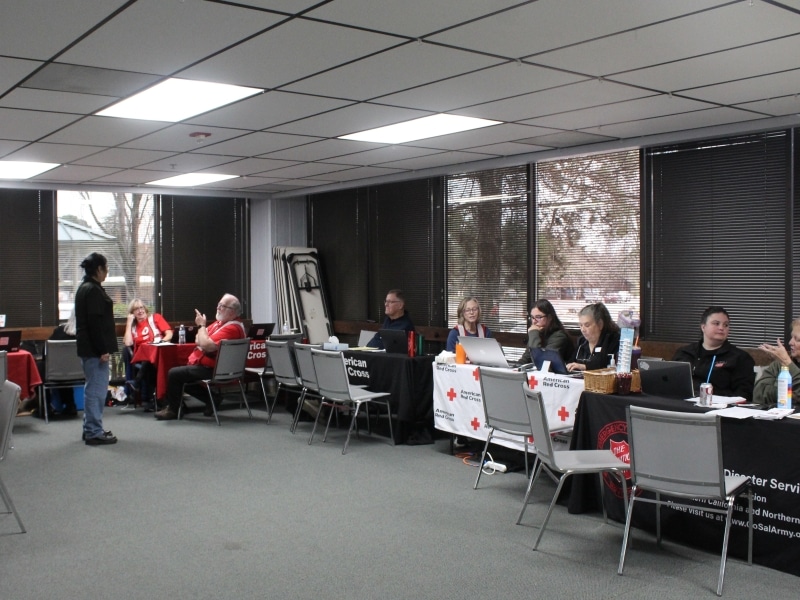
Red Cross hosts multi-agency event in Redding to help flood victims as rains continue
The event began Friday and will continue Saturday and Sunday from 8 a.m. to 6 p.m. at the Northern Valley Catholic Social Services building. Another storm system is expected to hit Redding tonight.
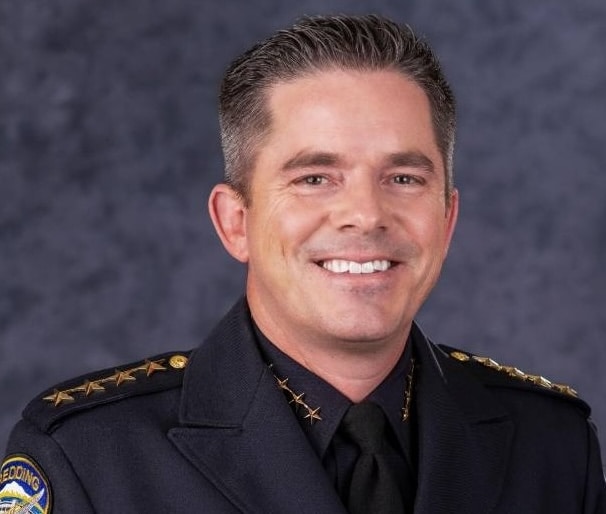
Redding Police Chief Barner placed on administrative leave with no explanation
Captain Brian Cole has been appointed as acting chief, according to a city official.

Natural beauty second to none: Why Redding was picked to host the Ironman
Not only did Ironman officials see Redding as a logistical fit for the race, but they were also struck by the impressive landscape of the region. The event is among the world’s most famous long-distance triathlons.