
In Their Own Words: Haynes, Rickert Explain How They’ll Move A.C.I.D. Forward, If Elected
Candidates for the Anderson Cottonwood Irrigation District speak up on how they’d move the district forward after an unprecedented lack of water this year.
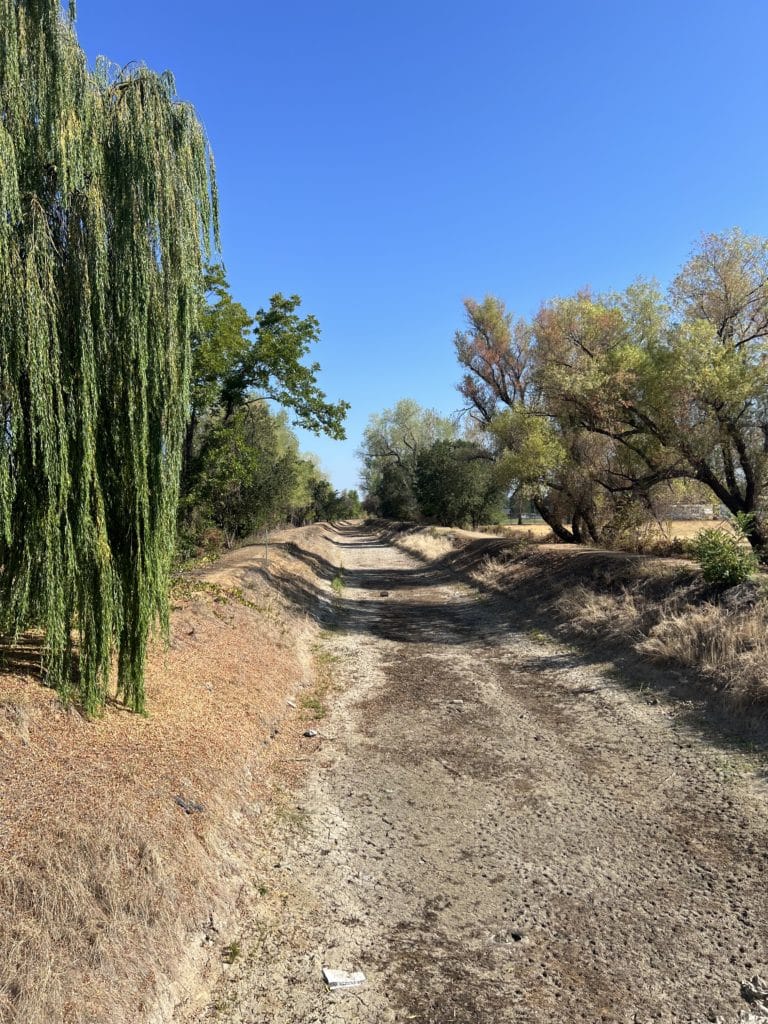
There are three open seats on the Anderson-Cottonwood Irrigation District (A.C.I.D.) board this November. Two of the three seats are already decided, but in A.C.I.D.’s Division 5, current board chair Brenda Haynes faces an opponent for the first time, she says, in her twenty-one years on the board. She’s running against James Rickert, a political newcomer.
A.C.I.D. has diverted water from the Sacramento River for irrigation use for over 100 years under what are known as senior water rights. But this year, severe federal water cuts and local water sales, left the district bone dry. We asked Haynes and Rickert to respond to emailed questions about how they will manage the water district moving forward. Here are the candidates, in their own words.
What would you like the voters to know about you? What qualifies you for the A.C.I.D. board?
Haynes:
My husband Bruce and I lived in Wooded Acres for 12 years before moving down to Churn Creek Bottom where we have lived the past 32 years. We raised our 3 sons here and taught them the value of hard work and the wholesome rewards of a country way of life. We created BH Cattle and ultimately had a herd of 100 head.
I am qualified for the position of Director at ACID because I have served in that volunteer capacity for the past 21 years. I have been an integral part of guiding ACID through those 21 years of ups and downs which gives me a unique knowledge of how to guide our water district into the future.
I would like voters to know: Because the amount of water (18%) the federal and state government agencies allowed this year was so small, it was physically impossible for ACID to deliver even one drop of water to one customer. Not one drop! Rather than leave it to flow to the ocean and receive no value, the board wisely chose to sell that water for over $7 million. I’ve not had one person tell me they would have done differently.
Rickert:
I’m a fifth generation Shasta County resident, raising the next generation on a small farm in the Churn Creek Bottom. I come from several generations of Rickerts who have been farming and ranching in Shasta County since the early 1900’s. My great grandfather owned a ranch in the Balls Ferry area. My grandfather and his brothers owned Rickert Meat Company in Cottonwood. My roots run deep in this community and I am honored at the opportunity to help serve this district.
I graduated from Cal Poly, San Luis Obispo with a degree in Horticultural Crop Science and I have spent my career working in production agriculture. My first job out of college was as a watershed coordinator in the Pit River watershed where I was successful in obtaining large restoration grants for ranchers- helping both the rancher and the environment- which I know is possible. I own my own business with my wife, R&H Agricultural Services, Inc. and I am a full-time agricultural real estate appraiser and consultant. I currently oversee a large cattle operation for an absentee owner who lives outside of the country. I’ve co-founded and co-manage Innovative Organic Nursery – the nation’s only public certified organic strawberry plant nursery. I have worked extensively in production agriculture and in business and I feel that I bring a very unique perspective to this board.
Why did you decide to run for the A.C.I.D. board?
Haynes:
We are in the 3rd year of a drought which has caused catastrophic damage to our once beautiful area. Our families rely on irrigation water to produce food for ourselves as well as hay and cattle for market. This crisis demands experience and district knowledge to work through this tough year as well as navigate the serious issues to prevent this from happening in the future.
Rickert:
I believe that it is time for a change. The tragedy that we saw in 2022 is something I don’t want to see repeated again. We are the fourth largest Sacramento River Settlement Contractor, we need to act like it. ACID currently does not have a strategic plan or a capital improvement plan. We need a vision with a road map to get us there. We need a strong board with a sharp focus right now that help lead this district out of this crisis. It’s time for my generation to step up and transition into leadership positions. I’m ready to get to work. We need to start being proactive and modernizing with the times. If we continue to sit back and waste water, we are a target. Let’s be responsible with our water. Let’s keep it as affordable as we can, but be transparent on our costs and charge the true cost of water. I’ve run many businesses over the years in times of transition and I believe that I have what it takes to help this district out of this crisis. We have a great future, we just need a fresh generation ready to take the wheel. I hope to be the start of that new generation.
Do you think the board of A.C.I.D. needs to become more transparent with the public? If so, how would you accomplish this?
Haynes:
Discussions and decisions made in ACID Board of Directors’ meetings are 100% transparent.
Rickert:
ACID needs to join the 21st century. We need a new update of the website and ways we get information out to the public. We need to improve our audio/visual capacity to host Zoom meetings to enable remote participants. We need to have our meetings recorded so we have an electronic record of the discussions and the decisions that are made. Not only does the Board need to be transparent, the board also needs to find effective ways to communicate. The Board needs to allow the public to speak for more than two or three minutes at a time.
The creation of the ACID Water Users Association has been phenomenal. It was a forum that was created out of necessity because we weren’t getting any answers from the Board. This group has brought many people together to help each other and see what we can do to get out of this catastrophe. This group has helped provide essential communication services to the public during this time of need.
Do you think the finances of A.C.I.D. need to be more transparent to the public? Why or why not?
Haynes:
ACID finances are 100% transparent to the public as documented in the financial reports included in the monthly board packets. These reports list every accounts payable check, every payroll check and each balance of all LAIF and bank accounts every month. Following each monthly board meeting, the full board packet containing all financial information is posted onto the ACID website and available to the public.
Rickert:
Absolutely. The public deserves to know exactly what is going on financially with the district. It is extremely important that this organization is fully transparent so it can be fully accountable. As we invest the proceeds from prior water sales, we need to engage the public and let them help us make the best decisions we can for the future of our community. I want them to know where every penny goes, and that each penny was invested wisely.
What steps should be taken this fall to give A.C.I.D. users the best chance of receiving water next year?
Haynes:
ACID staff and board have been prioritizing and contracting out large vegetation projects and pipe installation projects which will help deliver irrigation water more efficiently. There are a few complicated projects which require engineering and grant cooperation, and those efforts are moving forward as quickly as possible.
Some have expressed the need to remove ACID from the Sacramento River Settlement Contractors Corp. I believe that notion is totally wrong. ACID is much better protected and with a much stronger voice to fight for our water rights when we maintain our membership in such a great organization.
Rickert:
It’s been six months since the water has been sold. We’re already halfway to next year’s irrigation season. We’ve already lost a significant amount of time. We need to be ready for negotiations next year and fight hard to get an allocation higher than 18%. ACID is currently cleaning out ditches that haven’t seen daylight in years, if not decades. There was a significant amount of deferred maintenance that has occurred. We need to identify and fix our problem areas ASAP. We also have a new very qualified general manager and we need to work closely with him on the direction of the district. We need to act as a board and provide direction and strategy, not micro-manage his actions. We need to believe in him and give him the tools to be successful.
Do you think the ACID canal needs to be modernized to prevent water loss as available water supply in California decreases? If so, how? At what kind of cost?
Haynes:
You ask about canal modernization, and that can mean many things. ACID’s SCADA system, the Churn Creek pump station, the diversion dam and the Olney Creek crossing are just a few of the areas where modernization could be beneficial but not necessarily prevent water loss.
You ask about “preventing water loss” which is not a simple topic and can have many unintended consequences. As an example, numerous local wells have been failing, some due to nearby low Sacramento River levels and others are in areas where irrigation water normally recharges the aquifer. Right now some of those homeowners might like to have irrigation water losses. But overall, reducing water loss in specific reaches of the canal system certainly makes sense, and the Board will be looking at those specifics once they are better identified.
Rickert:
First off, we don’t have a plan. We need a plan. We need a path ahead. We would need to work with the community to make sure we get it right. I think we really need to look at the main canal and identify “Areas of Conveyance” and “Areas of Recharge.” There are many areas that waste a lot of water and don’t recharge anyone’s wells- we need to look to fix these problem areas. Other areas rely on the recharge from the open canals and let’s not touch those areas right now. I am advocating sensible water conservation and conveyance projects by strategic improvements, not necessarily lining and piping every lineal foot of the infrastructure. We also need to solicit bids to see how much this will cost us. We don’t know what we are up against right now and we need to make data-based decisions.
How should the $7.5 million from water sales this year be spent?
Haynes:
Some think the money should be divided up among the ACID customers. I believe that idea could have severe legal ramifications, and instead, I think the revenue is better invested in long overdue infrastructure improvements that ACID has never had the funds to accomplish. The Board has kept the water rates low and still managed for over 100 years to deliver water to happy customers. Infrastructure improvements will benefit ACID customers as well as the entire community.
Please note the last payment from those water sales was received just 90 days ago, and the new General Manager was hired only 30 days ago. There will be many options to discuss before specific project decisions are made. And with the potential for another drought year ahead, there should be no rush to spend it all.
Rickert:
Let’s take the $7,500,000 and invest that all back into a path ahead to help us withstand future drought reductions. I’d immediately roll up our sleeves and get to work on what I envision as the A.C.I.D. Modernization Project, which I have summarized below:
- Invest in Ourselves- Utilize the funding to invest in strategic equipment and a qualified core team that can continue to push ahead on smaller infrastructure improvements and solve problems when they come up.
- Communications and Outreach- The A.C.I.D. board just hired a general manager and one of his first moves was to initiate a consulting firm to help jumpstart the organization. This is money well spent to get this organization back on its feet. During this time, we need to find an office manager to fill an open role in the team. We need to get our capacity as an organization up and back on its feet.
- Vegetation Management- Some of these ditches are getting cleaned for the first time in decades and there’s a lot of work to be done. Invest the time to get them maintained and back to a manageable state.
- Groundwater- Develop a groundwater recharge program to recharge aquifers and develop new wells to create an alternate and reliable water source. I think this is an incredible opportunity that is literally untapped.
- Main Canal Infrastructure- We need to start getting bids and ideas on what we can do on the big problems we have with the main canal. Let’s get multiple groups with different thoughts and let’s work as a Board and as a community to pick the best path ahead.
- Partnerships- We need to start communicating with the City of Redding to discuss a potential partnership. The A.C.I.D. canal goes right through the city and adjacent to City Hall- we need to make sure that we work together on any improvements we make.
- Expansion of irrigated property- One way to grow a business is to expand your services. Let’s get historically irrigated properties back in A.C.I.D. and grow our numbers. Let’s develop opportunities for people to purchase extra rotations of water if possible to increase their production. We need to seriously re-think how this district has been run. It’s time to grow and feed this organization, not starve it.
If federal drought relief funds are distributed to the district, how do you propose to use them?
Haynes:
The total amount of drought funds has not been established yet, so it seems premature to identify projects without knowing how much will be received and actually having that revenue in hand. The funds are expected sometime in December.
Rickert:
We need to look at this as an investment in our community. I think it is still too soon to have an exact plan because we don’t know how much money might be available and we also don’t know the full extent of the damage. I’m in touch with someone who has been tracking the dry wells in our area at great detail- and we know it’s only on the tip of the iceberg. I think we would just have to wait and see what happens and wait until we have all of the facts. Whatever we get, we need to make sure we invest it wisely and get any drought funds into the hands of people who have suffered the most.
Would you want to work with Shasta County to address dry wells and other effects of lack of A.C.I.D. water on county residents who are not A.C.I.D. irrigators? If so, how?
Haynes:
Unfortunately, it is not a matter of what I would like to do. This is an unprecedented situation being the first time in more than 100 years that ACID has not been able to supply irrigation water. There are still unanswered questions that need legal answers before ACID can make those decisions.
Rickert:
Absolutely. ACID provided a huge service to our community by recharging our aquifers. I’d open up a dialogue with Shasta County and see how we can work together. We are all partners in SGMA (Sustainable Groundwater Management Act) in our groundwater basin. The more we collaborate, the more we can focus on solutions that work for everyone, not just irrigators.
This article is part of a Shasta Scout series about the causes, effects and solutions to water shortages within the Anderson Cottonwood Irrigation District (A.C.I.D.). You can see the rest of the series here. If you have a personal experience to share or questions you’d like answered, contact us at editor@shastascout.org. Do you have a correction to this story? Submit it here.
Through December 31, NewsMatch is matching donations dollar-for-dollar up to $18,000, giving us the chance to double that amount for local journalism in Shasta County. Don't wait — the time to give is now!
Support Scout, and multiply your gift
Author

Related Articles
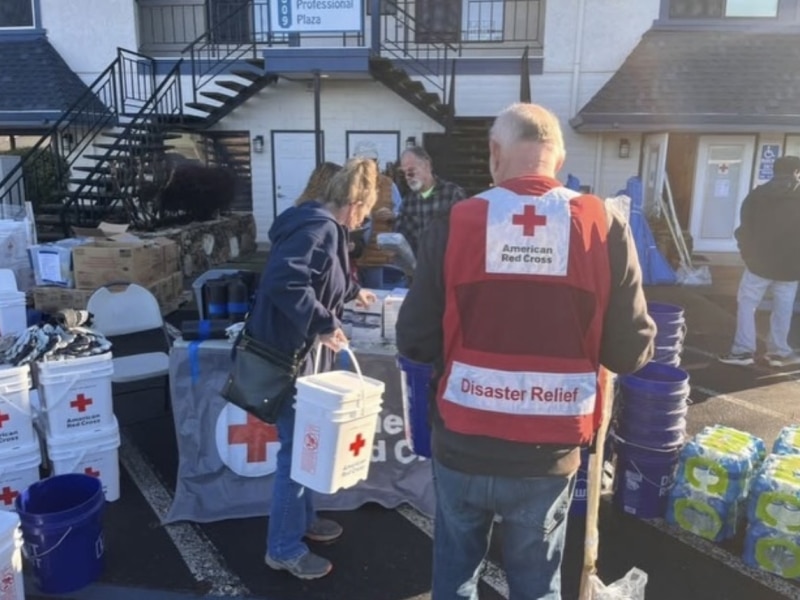
Emergency supplies available for Redding residents as flood impacts continue
City officials have not yet announced how many residents and businesses are believed to have been impacted by the flooding, which they say occurred as a result of clogs in stormwater drain systems brought on by a high volume rain falling in Redding over a short period of time.
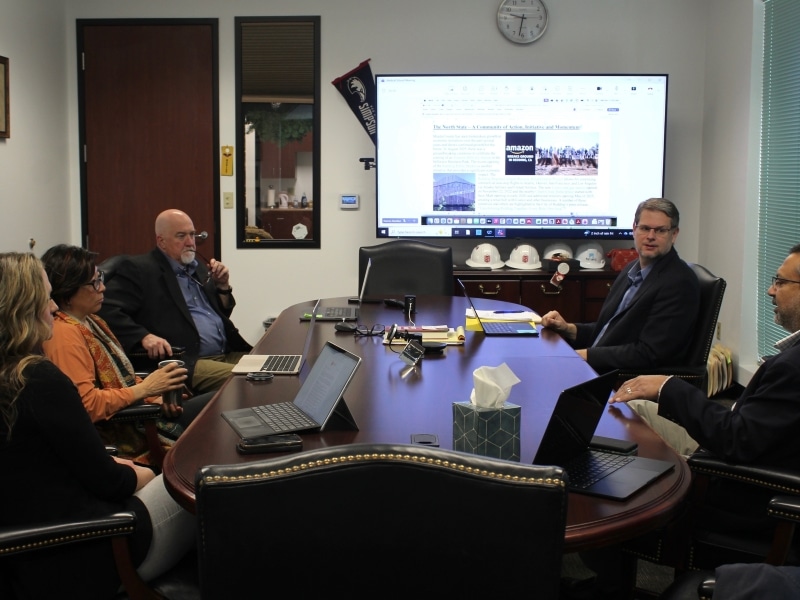
A group of community members are hoping to start a new medical school in Shasta. Here’s what we know
Redding Vice Mayor Dr. Paul Dhanuka and Simpson University President Dr. Norm Hall are some of the leading figures behind the plan.
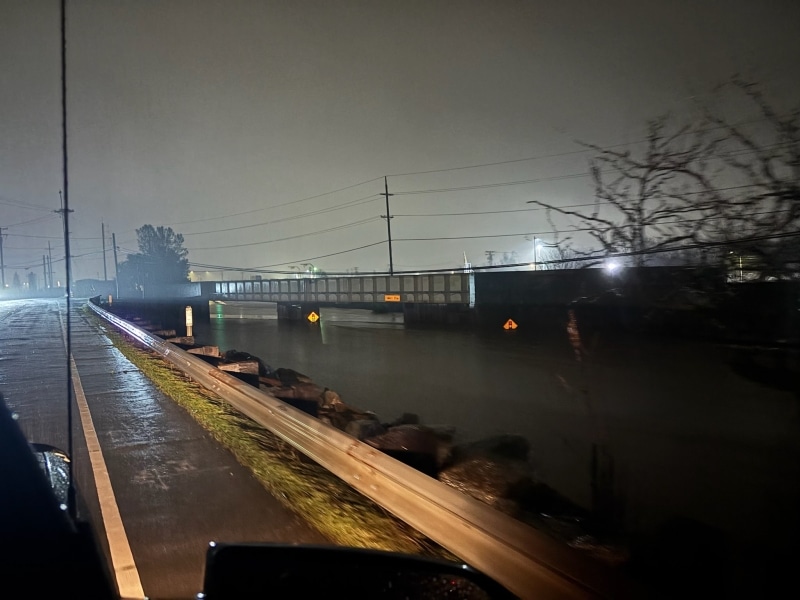
With more rain ahead, Redding officials explain flooding, urge caution
This weekend, the city’s stormwater infrastructure became clogged with debris due to the speed and volume of rain, officials said, leading to serious flooding in parts of Redding.
