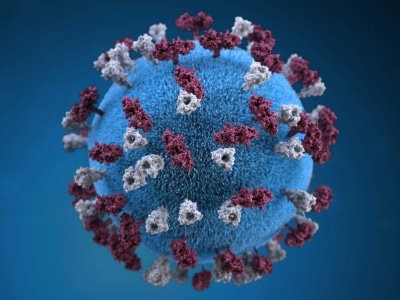
Measles
There’s officially an outbreak of measles in Shasta County. As of Feb. 13, Shasta had nearly half of the total number of measles cases in the state, according to state and county public health departments. Here’s what you should know about the virus.
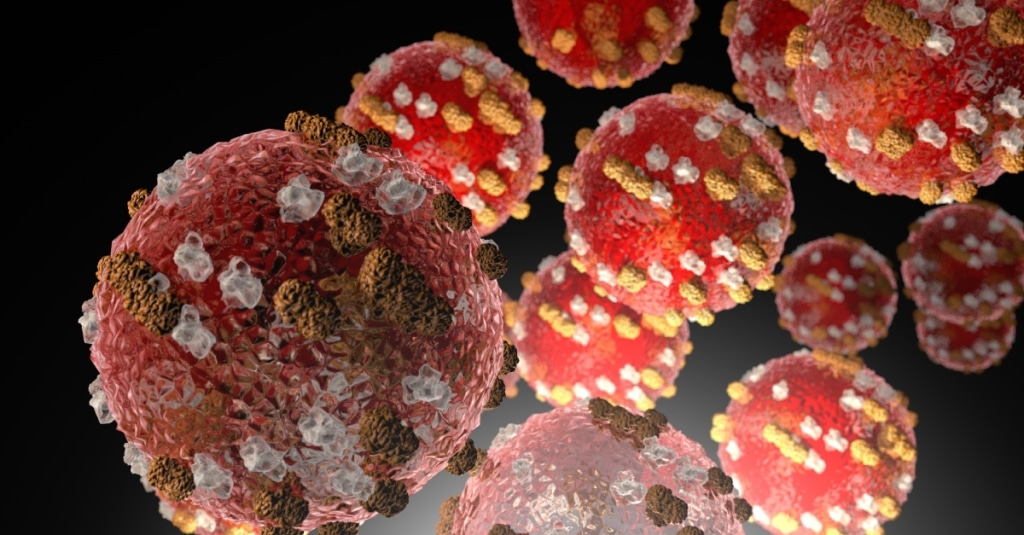
Measles symptoms, the vaccine and other facts
Symptoms of measles typically show up around seven to 14 days after initial contact with the virus. Early symptoms include fever, dry cough, runny nose and pink eye.
About two to three days after symptoms first appear, tiny white spots — called Koplik spots — can appear inside the mouth. On days three to five, a rash will likely start to appear, made up of large, flat spots and small, raised bumps. The rash usually starts on the face or neck, then spreads down the body from the chest to the arms and legs.
Those who are infected with measles can spread the virus for four days before and after the rash appears. Measles is spread through water droplets — when someone with measles coughs, sneezes or talks, droplets may be breathed in by others nearby or land on surfaces. The droplets can infect people for up to two hours.
The measles vaccine, also known as the MMR vaccine, protects against measles, mumps and rubella. Children may get the MMRV vaccine instead, which also protects against varicella, or chicken pox. Just two doses of the vaccines are recommended to best protect against measles. Most people who are vaccinated with the MMR and MMRV vaccines will be protected for life.
After two doses of the vaccine, it is 97% effective. If someone who’s vaccinated still gets measles, they’re likely to have milder symptoms, and they’re less likely to spread the virus to other people.
Many adults who were vaccinated before 1990 may have only received one dose, so it’s encouraged that these individuals contact their health care provider to see if they need the recommended second dose.
About 90% of those who haven’t been vaccinated against measles or have never had measles will become infected when exposed.
If you’re unsure if you’re vaccinated against measles or not, you can check your vaccine records here. If you are in need of an MMR vaccine, contact your health care provider or reach out to local pharmacies for availability.
Complications of measles vs. complications of the vaccine
Getting measles can cause complications — including dehydration from diarrhea and vomiting, ear infection, bronchitis, pneumonia, encephalitis and pregnancy complications. While it’s still possible for those who are vaccinated against measles to get the virus, their symptoms tend to be mild, and complications are less likely to develop.
Those who get measles are also at risk of developing long-term complications years after initially becoming infected, such as subacute sclerosing panencephalitis, or SSPE. This disease is extremely rare but fatal, and it affects the central nervous system. It typically develops seven to 10 years after infection. The risk of developing SSPE may be higher for children who get measles before they are 2 years old.
Certain demographics are more likely to have severe complications from measles than others. When it comes to children, about one out of every 20 children with measles gets pneumonia, which is the leading cause of death from measles in young children. About one child out of every 1,000 who get measles will develop encephalitis, which is the swelling of the brain. Encephalitis can lead to deafness and intellectual disabilities. And around one to three of every thousand children who get measles will die from respiratory and neurologic complications.
Those who are unvaccinated against measles also have greater chances of developing complications. About one in five unvaccinated people in the U.S. who get measles is hospitalized, according to the Centers for Disease Control and Prevention, and it’s more likely for unvaccinated people to develop complications after getting measles.
Despite the proven effectiveness of the measles vaccine at preventing infection and complications, there are misconceptions that frequently circulate about the vaccine, with some people claiming the complications of the vaccine equate those of the virus itself.
However, studies and research have proven that getting the measles vaccine is much safer than getting measles itself. While complications of the vaccine are possible, they happen at significantly lower rates than complications of measles.
For example, a rare complication of the vaccine is febrile seizures, which are convulsions in children that are typically caused by a fever from infection. Only about 0.0004% of children get febrile seizures after getting the MMR vaccine. Another disorder, called immune thrombocytopenia purpura, decreases the body’s ability to stop bleeding and is another very rare complication of the vaccine — only about 0.00004% of children are at risk of this disorder after receiving the vaccine. ITP is usually not life threatening.
It’s also a common misconception that vaccines cause autism, and the MMR vaccine has been a primary target of this claim. However, the original report that linked the MMR vaccine to autism has been retracted due to scientific misconduct and flawed methodology, and multiple studies have proven since then that there is no link between the MMR vaccine and autism.
I think I might have measles. What now?
If you have symptoms of measles, it is not advised to go out into the public because of the risk of spreading it to others. It’s recommended that those with measles symptoms call their health care provider or an emergency room before going straight to a clinic or hospital so that proper precautions can be implemented.
The Shasta County Health and Human Services Agency also advises those needing exposure guidance to call the Shasta Measles Information Line at 530-638-5580.
Read our stories about measles and updates to the outbreak in Shasta County here:
Latest posts
Shasta County announces new measles case, bringing outbreak total to 10

Shasta measles outbreak window ends soon, county says
School listed as exposure site in ninth Shasta measles case has history of low vaccination rates, state data shows
Another case of measles has been confirmed in Shasta County, bringing count to 9
State officials announce measles outbreak in Shasta County, with eight cases now confirmed