
Redding’s Using State Funds To Pay For An Emergency Shelter Program. Here’s Why That’s Problematic.
Policies at the No Boundaries emergency shelter site do not appear to meet state funding eligibility requirements. The policies create barriers to housing for the city’s unsheltered community members and could also expose the city to legal action.

Since September, Redding has been paying a local nonprofit to provide what the city refers to as supportive emergency shelter beds, located at the Bridgeway Inn & Suites.
The city’s contract with No Boundaries Transitional Housing has ostensibly increased access to emergency shelter for unhoused community members. It’s also facilitated the city’s ongoing attempts to legally enforce its anti-camping ordinance. Under federal circuit court decision Martin v. Boise, the city could face legal challenges for citing individuals for camping unless Redding is providing adequate and accessible emergency shelter.
Redding’s paying for the No Boundaries housing program with state Permanent Local Housing Allocation (PLHA) funds. But policies for the shelter program, received by the city on July 18 and obtained by Shasta Scout via public records request, indicate a lack of compliance with the eligible uses of those funds.
When used for emergency housing, PLHA funds must provide access for all, including substance users. But the No Boundaries policies policies say residents must submit to random drug and alcohol testing and will be dismissed from the program for refusing or failing testing. In order to enter the program the policies also require residents to sign a document “expressing a desire to turn away from their addictive lifestyle and a willingness to remain clean and sober.”
PLHA funds use eligibility also requires that residents of emergency housing be allowed to choose the services that meet their needs. In contrast, No Boundaries requires that residents “agree to participate in all classes and counseling sessions available as well as work and fundraising activities” in order to maintain residency.
In addition to the concerns about legal funding use that these policies present, they appear to open the city to additional legal threats by including rules that limit residents’ access to medical treatment and allow staff to withhold medications, despite a lack of medical professionals on site.
Individuals are not allowed to leave the No Boundaries facility without permission, according to program policies, and may only be given permission to seek medical and dental treatment for urgent needs, as determined by No Boundaries program director, Christine Cage. Additionally all routine medical visits by the shelter’s previously unhoused residents are delayed for six months, the policies say, to give individuals a chance to “focus on their recovery.”
The facility is also described as a “med-free” program in wording that seems to indicate that even prescribed medications for routine mental health concerns like anxiety and depression will not be allowed at the site.
No Boundaries policies create additional barriers to housing by forbidding residents from a variety of other subjectively interpreted actions, including “insubordination,” having a “poor attitude,” “gossiping,” or possessing any property “presenting an indecent or immoral activity or ungodly belief or philosophy.” According to the policies, Cage is the arbiter of all decisions about what constitutes a violation of site policies.
Discussion of concerns about the No Boundaries policies among residents of the program is also forbidden.
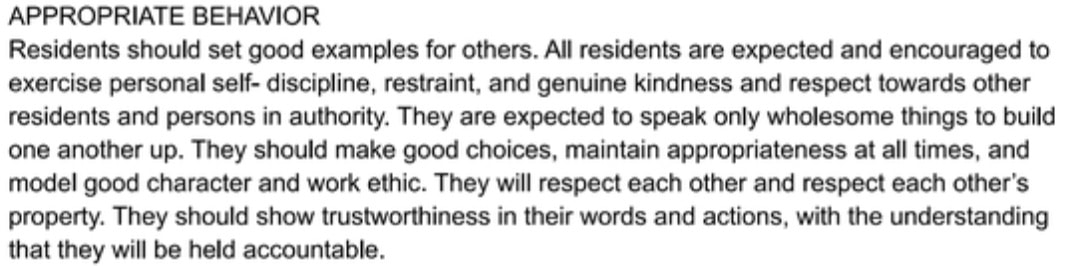

A portion of the No Boundaries site policies as received by the City of Redding on July 18, 2022.
Redding City Manager Barry Tippin and Deputy City Manager Steve Bade, who manages housing for the city, have not responded to multiple requests for comment on No Boundaries policies over the last several weeks.
On December 9, City of Redding Housing Division Manager Nicole Smith said the city’s use of PLHA funds complies with state funding requirements. She did not respond to a second request earlier today outlining the specifics of the eligible funding uses.
City Attorney Barry DeWalt has not yet responded to a request for comment on the legality of the funds use.
This is a developing story. Do you have information to share about our unhoused community or local housing availability? Contact us at editor@shastascout.org Do you have a correction to this story? Submit it here.
Through December 31, NewsMatch is matching donations dollar-for-dollar up to $18,000, giving us the chance to double that amount for local journalism in Shasta County. Don't wait — the time to give is now!
Support Scout, and multiply your gift
Author

Related Articles
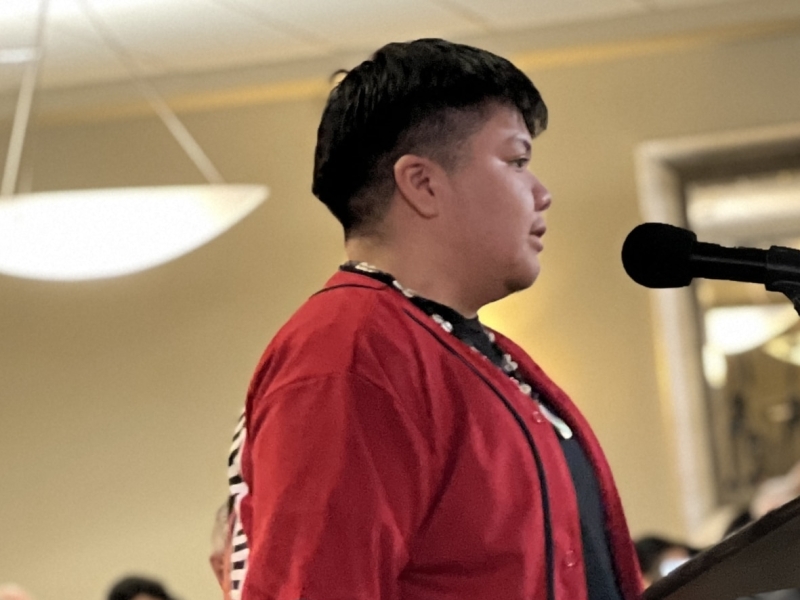
Pit River Tribe prevails as California Energy Commission definitively rejects Fountain Wind Project
The state agency denied energy giant Repsol the required certification to develop a wind energy project on Pit River holy lands. It’s the third time the project has been denied. The first two denials occurred locally, in Shasta County.
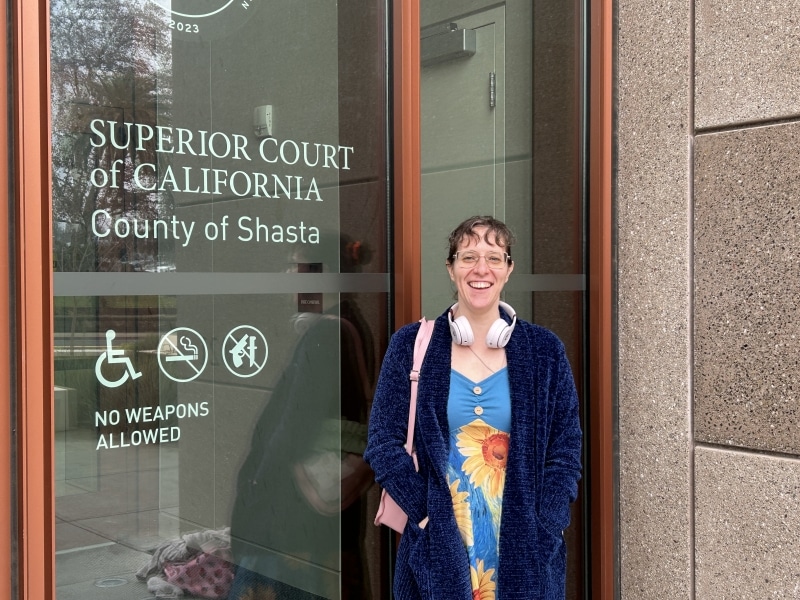
Jury convicts activist O’Connell-Nowain for disturbing Shasta County board meeting
Jenny O’Connell-Nowain has been found guilty of disturbing a public meeting after sitting on the floor during a November 2024 Shasta County board meeting.
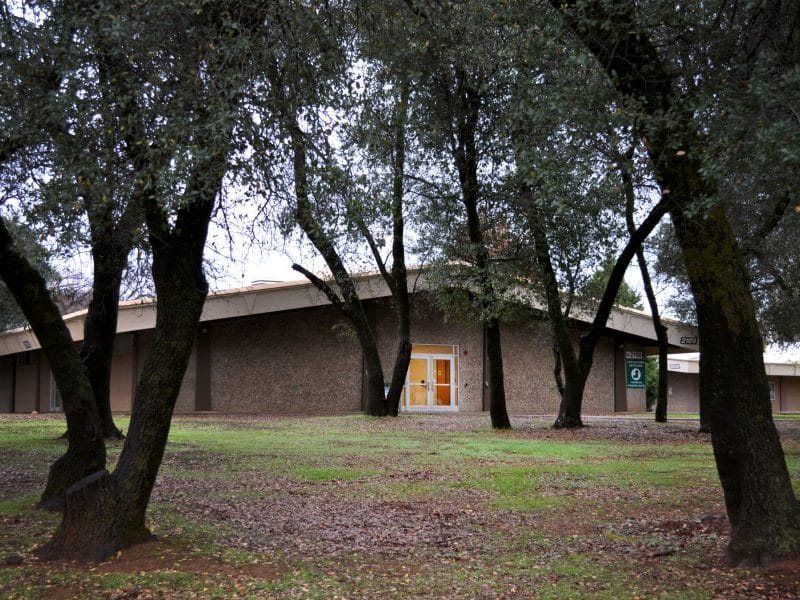
Board allocates nearly $1 million in opioid funds to support two Shasta College programs
The funding will help support paid internships for students working towards future careers in drug and alcohol treatment. It will also support the basic needs of some recently incarcerated students through the STEP-UP program.
