
Shasta County, Here’s What Voting Rights Advocates Want You To Know About Electronic Voting Machines
As Shasta County supervisors prepare to vote on the County’s election system, we summarize important specifics about how computerized voting systems work, as recently shared by nonprofit voting access advocates.
Last week, seven nonprofit advocacy organizations wrote a collaborative letter to the Shasta County Board of Supervisors for the second time this year.
Those organizations include the California Voters Foundation, Disability Rights California, Verified Voting, California Common Cause, the ACLU of Northern California, the Asian Law Caucus, and the League of Women Voters. They hope their second letter to Shasta County supervisors will provide factual information that contributes to ongoing decision-making about the County’s election process.
Shasta County’s Clerk and Registrar of Voters, Cathy Darling Allen, currently lacks the means to conduct official elections after a majority of the Board voted to cancel Shasta County’s contract with Dominion Voting Systems, Inc. in January. The contract was cancelled in part because some supervisors hope to replace machine voting with hand counting.
On Tuesday, March 28, Supervisors will discuss a plan to institute a limited hand count of some Shasta County elections moving forward. They’ll also consider whether to sign a contract with one of the other two vendors whose voting machine systems are certified by the Secretary of State.
As Shasta County’s leaders prepare to discuss elections processes and voting machine systems Tuesday, March 28, here’s what a group of nonpartisan voting rights advocates want them, and you, to know about how those systems work, and why they matter.
Ballot Creation
In California, computerized voting systems are used not only to count ballots but to create them too. Within Shasta County, a variety of different ballots must be created to so people can vote within their different precincts and political districts and to facilitate voting for those with language differences or disabilities.
During the Presidential primary, different ballots are also used to create ballots that match voters’ registered political party affiliation.
Having a variety of different ballots helps ensure citizens only vote on the contests for which they are eligible to do so. Election management systems help with the high volume of information that determines what appears on each ballot, and how it appears, as required by law. Without computerized voting systems, election officials would have to find another way to create this variety of required ballot styles with the correct names, information and order for every contest and ballot measure.
Ballot Marking
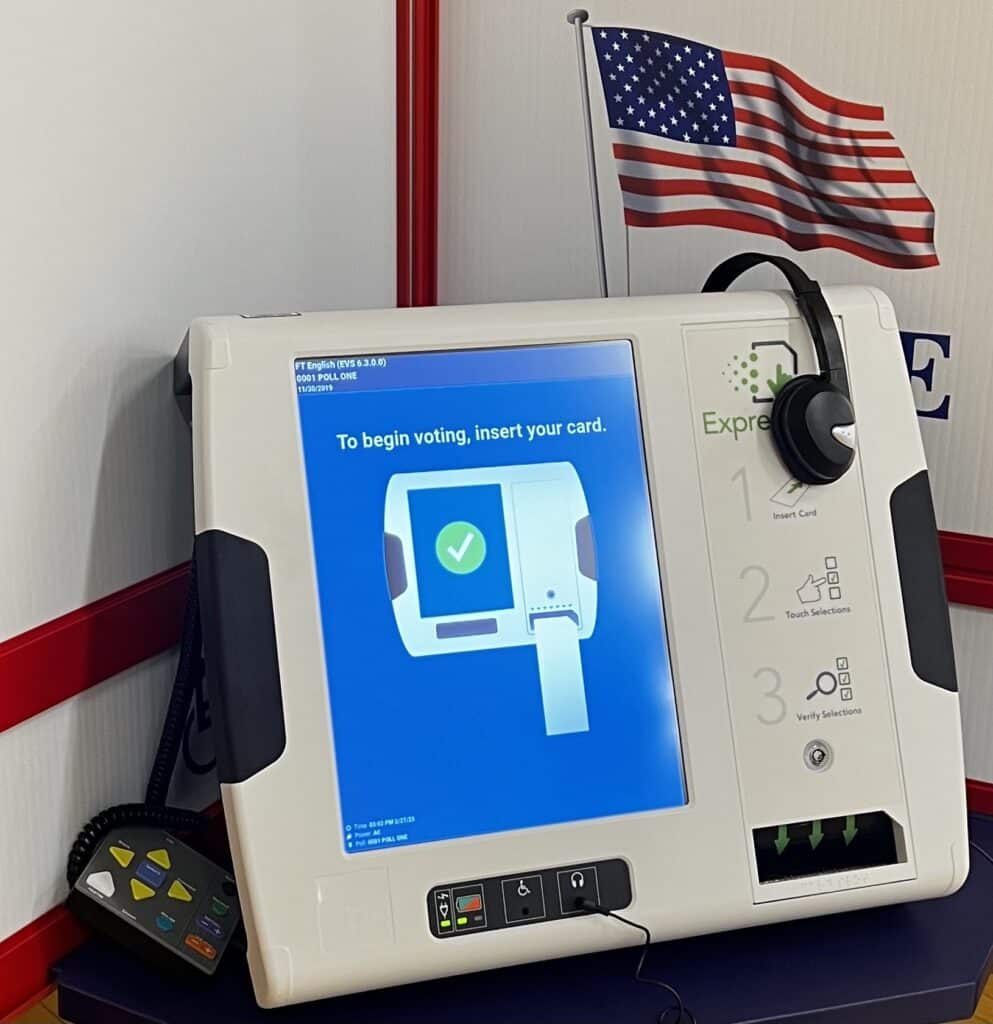
While ballots can be marked with pen and paper, computerized voting systems provide another way to mark ballots in order to meet a variety of voter needs. At least one “accessible voting machine” or ballot marking device is required by law at each California polling place. These machines support the needs of people with disabilities but can also be used by any voter.
Accessible voting machines have features that enable voters with either temporary or permanent disabilities to exercise their right to vote privately and independently as required by the federal Help America Vote Act. Being able to vote without relying on someone else protects each voter’s right to cast a secret ballot.
California-certified accessible voting machines allow the voter to review their votes before they’re printed onto a paper ballot for counting. Votes are stored in the voting machines only long enough for the paper ballot to be printed.
Accessible voting machines have a number of optional features to enable those with disabilities to vote.
Touchscreens can be used to change ballot text size, color and contrast to help those with vision differences. They can also help people with manual dexterity concerns such as broken hands, arthritis, cerebral palsy, or other permanent or temporary disabilities that may limit voters’ ability to hold a pen.
Handheld controllers are another part of accessible voting machine systems that can be used by voters with vision impairments and/or manual dexterity impairments.
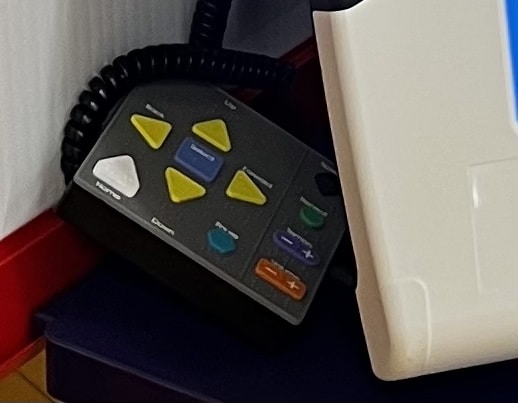
Accessible voting machines also include audio options for those with vision impairments and special ports to attach special devices including sip-and-puff communication devices and paddle switches for those with limited mobility and dexterity, including those with quadriplegia. These ports do not allow the machines to be connected to the internet.

Remote Accessible Vote-By-Mail:
Some people with disabilities may wish to vote by mail. In order to protect their right to do so, California requires that a certified remote accessible vote-by-mail election process be available to any voter during each election.
Voters sign up to use this system with their county election officials. They can then mark an electronic version of their ballot on their own devices, such as personal computers, at home. This allows them to use their own assistive technology such as a screen reader to navigate and mark their ballot. After marking their ballot, the voter must print the ballot on paper and return it to elections officials the same way other vote-by-mail ballots are returned.
Ballot Counting
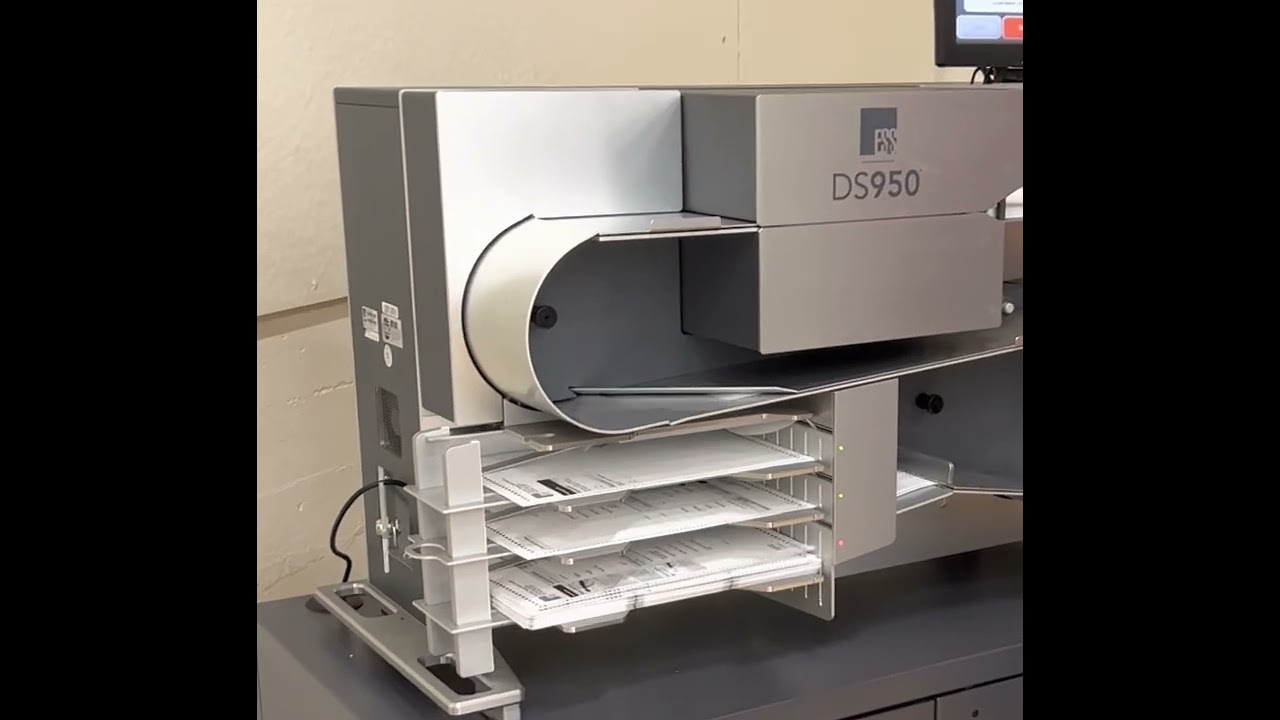
Throughout California, ballots are scanned by California-certified election machines which tally each voter’s selection. Under state law, accuracy is confirmed by also hand counting a small percentages of the votes. Hand-counting ballot is significantly more time-consuming and requires significantly more staff than machine counting does.
If you have any corrections to this story you can submit them here. Do you have information to share? Email us: editor@shastascout.org
Through December 31, NewsMatch is matching donations dollar-for-dollar up to $18,000, giving us the chance to double that amount for local journalism in Shasta County. Don't wait — the time to give is now!
Support Scout, and multiply your gift
Author

Related Articles
Some Northern California Mien refugees grapple with renewed fears of statelessness
The North State’s Mien population took root as families sought escape from an American bombing campaign during the Laotian Civil War. Now, 40 years after resettling, some are at risk of being forcibly returned to a country they have little connection to.
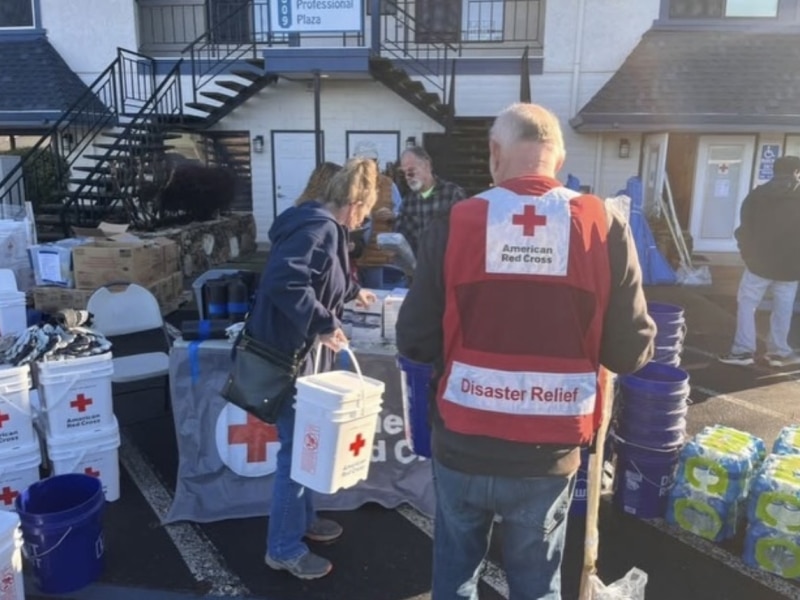
Emergency supplies available for Redding residents as flood impacts continue
City officials have not yet announced how many residents and businesses are believed to have been impacted by the flooding, which they say occurred as a result of clogs in stormwater drain systems brought on by a high volume rain falling in Redding over a short period of time.
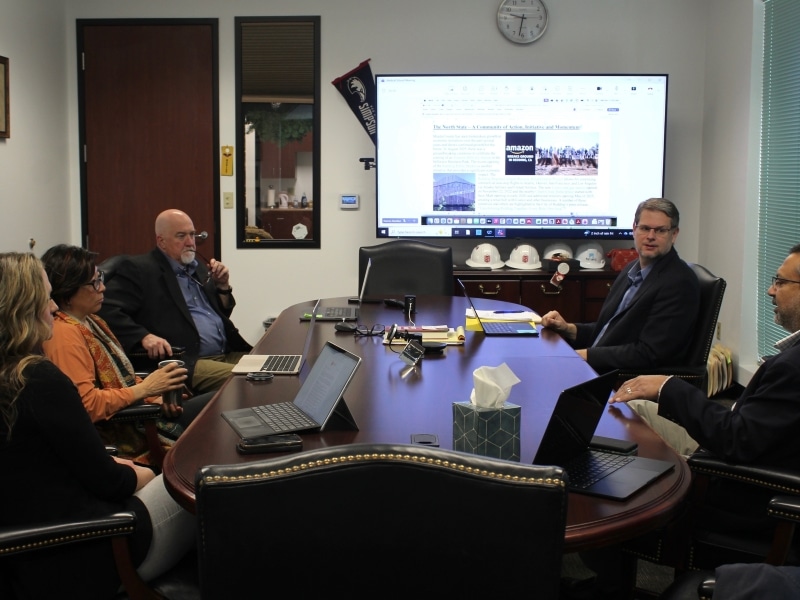
A group of community members are hoping to start a new medical school in Shasta. Here’s what we know
Redding Vice Mayor Dr. Paul Dhanuka and Simpson University President Dr. Norm Hall are some of the leading figures behind the plan.
