
Shasta County Supervisors Opt To Hand Count Vote. Details Remain Scarce.
The Board approved moving towards a full manual tally of all of Shasta County’s votes while agreeing to provide enough accessible ballot marking devices to comply with state and federal accessibility laws. It’s not yet clear what process they will follow, whether it will be certified by the state, or how they will fund it. They’ve also not yet chosen a vendor to replace Dominion in order to provide accessible voting machines for those with disabilities and the elections software needed to create ballots.
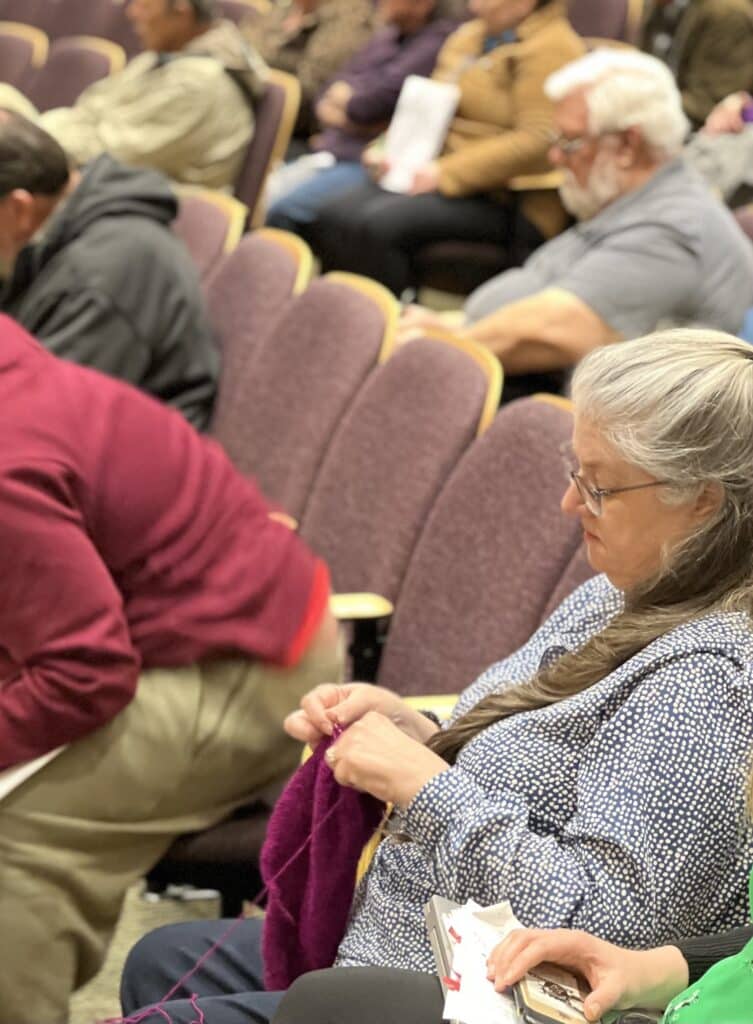
Shasta will become the first California County to attempt a full manual tally of election votes. A majority of the County’s Board of Supervisors, including Patrick Jones, Chris Kelstrom and Kevin Crye, voted for that decision yesterday, March 28, but provided few specifics on how it will occur.
Hand counting the vote could be legal if the Board agrees on a process that complies with all federal and state laws and is approved by California’s Secretary of State.
But for Shasta County’s Clerk and Registrar of Voters Cathy Darling Allen, the Board’s vote only emphasizes how much uncertainty the County still faces moving forward.
“They are in dangerous waters right now,” she told Shasta Scout Tuesday evening, referring to Supervisors, “I don’t know what’s going to happen.”
While California’s Secretary of State is working on developing regulations for a county-wide hand counting process, there are not yet any approved and certified procedures in place even at the state level, which leaves Darling Allen without a clear timeline.
In a recently-released report, she’s outlined a potential plan for how to hand count the votes, along with associated costs. But much remains unknown.
During the March 28 Board meeting, supervisors said they had not yet had time to look over Darling Allen’s report, but had questions about the assumptions behind the costs she had listed. Some public speakers also questioned Darling Allen’s estimates in the report, including that hand counting all of Shasta County’s votes will require approximately 1,300 temporary staff.
Those estimates, Darling Allen explained to Shasta Scout, are based on her office’s review of a number of hand-counting procedures, including the county’s own limited hand counts in past, the limited hand counts done in other California jurisdictions like Orange County, and a testing process she conducted with staff from the elections office over the last several weeks.
“Last week we actually grabbed staff who don’t normally count ballots,” she said, “and we did some tests. So we spent a day and a half counting ballots with staff who don’t have experience doing so.”
That kind of testing, she says, helps simulate what the county will experience during a full manual tally, where the temporary election staff brought on for to conduct the hand count will face an all-new experience.
During her interview with Shasta Scout, Darling Allen also responded to other public concerns, including questions about why all-volunteer labor couldn’t be used for counting the vote, and why votes couldn’t be counted throughout election day.
Those questions, Darling Allen said, stem from a lack of understanding about California election law, which differs from election law in other states, like Missouri, that some like to use as a comparison point.
For example in California, she said, state law requires that no ballots be counted until after 8 pm on election day and no vote-by-mail ballots be opened until after 5 pm the day before.
The election code also rules out the use of volunteer labor for hand counting the vote, she said, explaining that while poll workers are classified as volunteers and paid a stipend, the county will have to hire paid temporary staff for counting.
“That’s what the election code requires and it’s what my office will do,” she said, “because, even though these gentlemen still don’t seem to understand it, I’m actually in charge of this process.”
It’s point of contention for Darling Allen, who believes the some supervisors are attempting to bypass her state-appointed power to run the county’s election process, by undermining her ability to pay for a process that includes the use of electronic voting machines.
Supervisors canceled the County’s contract for Dominion voting machines in January. They still haven’t approved a new contract for a voting machine system vendor which would allow the County to provide accessible ballot-marking-device machines at each polling place as required by federal and state law.
That concerns Paul Spencer, a senior attorney with the nonprofit advocacy group, Disability Rights California. During public comment, Spencer told supervisors that DRC may take further legal action if the Board fails to provide accessible voting for those with disabilities.
That contract is also needed to provide Darling Allen with election software to create the variety of ballots appropriate for different voters throughout the County. Ballot creation varies based on voters precinct and political district, as well as, at times, their political party affiliation. In the last county-wide election, Darling Allen’s office created forty-two different ballots to meet voter requirements.
Over the course of yesterday’s full-day meeting, supervisors fielded a vast array of public comments that included accusations about Chinese election interference, descriptions of how memory cards can be used to change votes on election machines, and an account by Anderson Cottonwood Irrigation District Board member, and former Shasta County poll worker Ronnean Lund about alleged improprieties within Shasta County’s elections office.
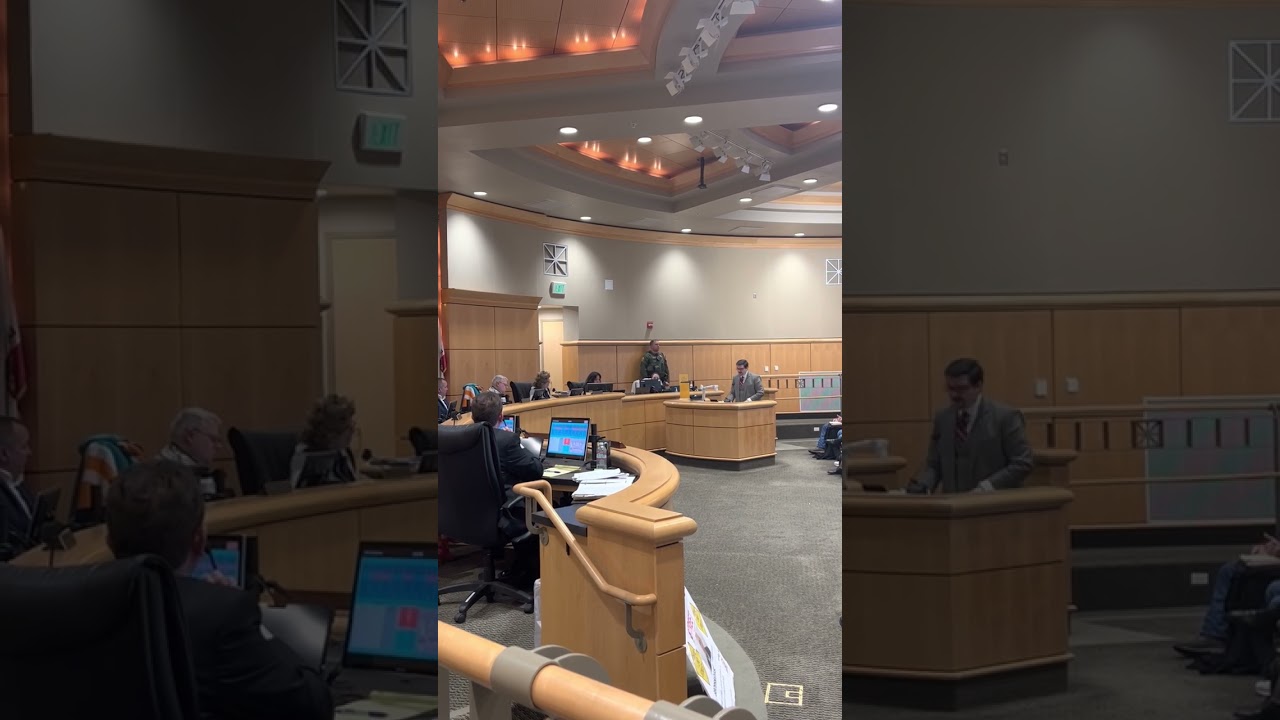
Supervisors also heard from attorney Alex Haberbush, who’s affiliated with the Lex Rex Institute, a Long Beach, California organization dedicated to “protecting Constitutional rights” and “preserving our Republic.”
Haberbush started his public comment by saying he’d flown in to attend the meeting after being invited by the Board, a claim that Board members Mary Rickert and Tim Garman immediately questioned, saying they’d never heard of him and didn’t know who he was.
“I think we need some straight answers here,” Rickert told Haberbush, asking who had funded his trip to the area. Haberbush initially refused to answer, citing attorney-client privilege. But after both Kelstrom and Jones denied having spoken to him before the meeting, he confirmed that his client was Crye, saying “I think we’ve pretty well narrowed it down.”
Haberbush spoke during public comment, responding to questions from supervisors Jones, Kelstrom and Crye about specific legalities of the hand-counting process. Asked by Garman whether a lawsuit based on the County’s action to initiate a hand count of votes would have any merit, Haberbush answered carefully.
“In my legal opinion a lawsuit over a motion passed today,” he said, “that says we plan to implement a paper ballot and manual count system, details to be worked out later . . . a suit over that motion, I think, would not hold any legal merit.”
Critical details to be worked out later include choosing a funding source, approving a process, having it certified by the state, and agreeing to contract with a specific vendor for an electronic voting system.
The lack of those critical details dismays Darling Allen who told supervisors after their decision:
“If you’re trying to break the elections process . . . this is how you break the elections process.”
If you have a corrections to this story you can submit it here. Have information to share? Email us: editor@shastascout.org
Resources:
Read the Elections Office Report on Conducting a Manual Tally here.
Author

Related Articles
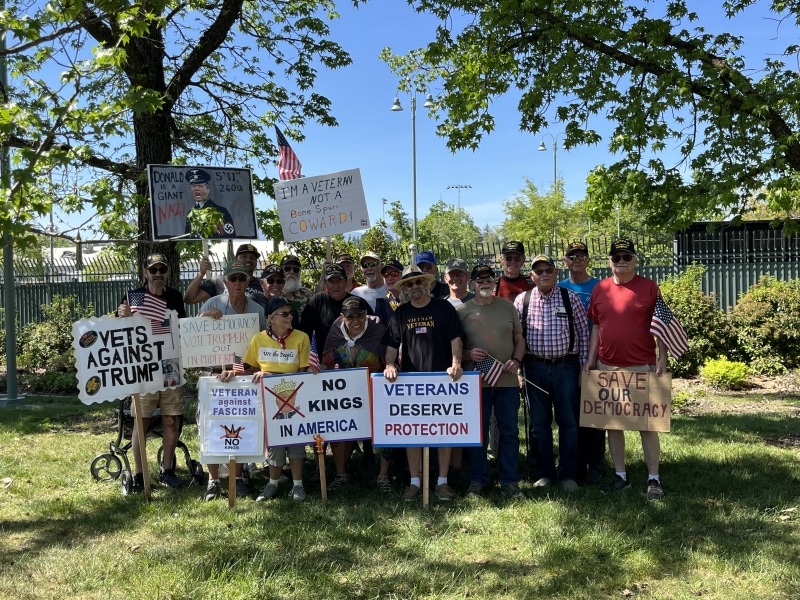
Redding No Kings protest draws 2,000 as seniors and veterans show up and speak out
Community members gathered in Redding today to express discontent with the current federal administration. The event, which was organized as part of nationwide protest action, included dozens of veterans and numerous seniors, some of whom attended in wheelchairs.

To save her daughter’s life, she advocated for her rights to be taken away
California’s conservatorship system can be used to force people with severe psychiatric illnesses into involuntary medical care for up to a year. Marci Fernandes said the process has been life-changing for her adult daughter, Ann, but significant obstacles to her well-being remain.

Redding seeks community members for two committees aimed at providing advice on the city’s financial processes
The city is accepting applications to join the newly-formed Financial Advisory Committee and the newly-formalized Audit Committee. Both applications are due April 17.