
Shasta Scout Explains . . . Misinformation
Do we have the power to slow the spread of misinformation? As part of our central commitment to building healthier communities and a stronger democracy, Shasta Scout explains why we’re all susceptible to “information disorder” . . . and how we can fight back.
Today most of us engage with a deluge of online information that’s fed to us repeatedly at sporadic times throughout our busy days and lives. As we struggle to keep up with the constant content updates that come to us through a variety of apps and sites we can easily fall prey to information disorder, a term used to describe the variety of ways that our information environment is polluted by falsehoods.
First Draft is an organization that works to empower people with the knowledge and tools needed to build resiliency against harmful, false, and misleading information. The term “fake news” has become a rallying cry that’s often used against members of the media. But most misleading content isn’t false at all, First Draft says, and also can’t possibly be described as “news.” Instead, they explain, disinformation is often created in the form of memes, rumors, screen shots, social media posts, web articles and manipulated photos that contain partially genuine content but are “used out of context and weaponized by people who know that falsehoods based on a kernel of truth are more likely to be believed and shared.”
What’s most disturbing about both disinformation and misinformation is how likely we are to fall prey to them, regardless of our political party, our education level, or our intellectual abilities. That’s because our susceptibility comes from simple psychological principles connected to repetition, distraction, and our trust in what’s already familiar to us, as MIT Professor David Rand explains.
Information disorder affects us in fundamental ways, most importantly by undermining our ability to know what information sources we can trust. And while most of us would never knowingly share disinformation, it’s very likely that we’ve accidentally participated in the spread of misinformation. And most of us aren’t even sure about the difference between the two.
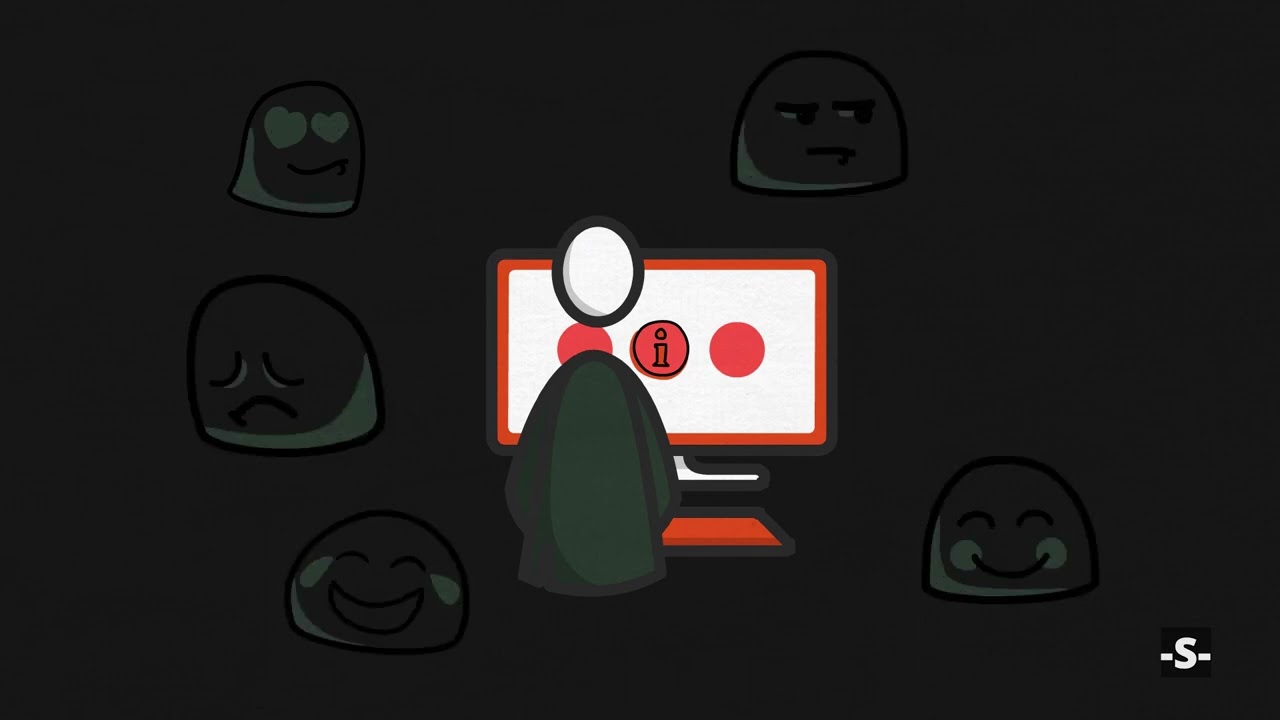
That’s why, with the support of the United Way of Northern California, we’ve produced a short two minute explainer video on how misinformation works and the choices each of us can make each day to help slow the spread of false content. Like always at Shasta Scout, the information we’ve included is carefully researched and vetted for accuracy . . . so we hope you’ll watch and share broadly!
Do you have feedback to share? Email us, or join the community conversation at Shasta Scout’s Facebook page. Do you have a correction to this story? Submit it here. Do you love what you’ve read and want to see more of our coverage? Our news is always free but your small monthly donations make it possible. Donate here.
Author
