
Underground Good: Mike Archibald
“You don’t have to do something wild outside of yourself. You just have to do something that’s comfortable for you to do. . . . If you see something that needs to be done, and you feel like you could maybe do something there, step in and see what happens. I’ll bet there’s going to be folks around that will guide you along and you can probably learn, too.”
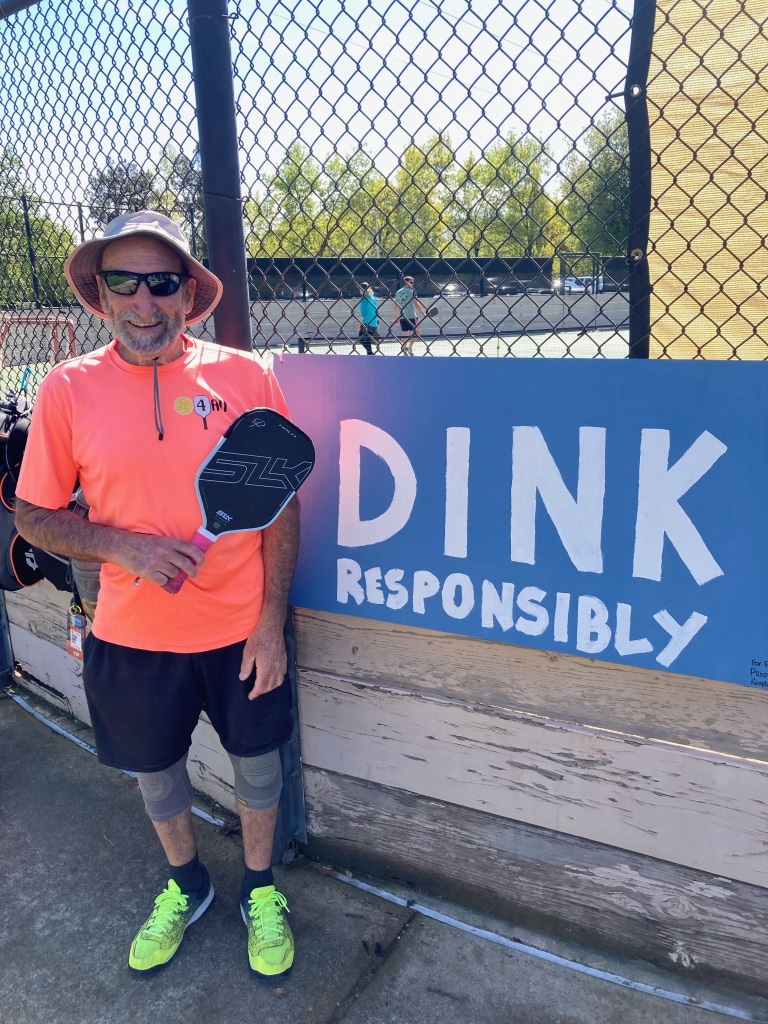
Ed Note: This Opinion piece is part of our Underground Good series, which focuses on providing a window into the mindsets of ordinary people doing good work in their community. It’s written by sociologist, coach and evaluation consultant Sharon Brisolara. You can find the rest of our Underground Good series here. Want to nominate someone? You can do that here.
If you have played pickleball in Enterprise Park, or watched someone else play, you have likely seen or heard of Mike Archibald. He is friendly, welcoming, and somewhat of an ambassador for the game. He was nominated by a new devotee for his commitment to making pickleball available to more people and for his attention to helping those new to the game.
How would you like to describe yourself to readers?
Gosh, not very interesting. I’m retired, I’m 77, and I enjoy playing pickleball! The person who invited me to play pickleball was a sailor friend of mine. I was involved in the Whiskeytown sailing club and was working at the time as a cabinet maker.
I went and saw that they were having way more fun than I was. I figured I was about ready to retire and saw that the people who were playing pickleball were having a good time, and I wanted to partake in that way.
That was back in 2012 when we were playing at South Park. There were maybe 10 to 12 people playing back then, but it was very fun.
What made it so fun for you that you wanted to play more?
There was competition, but also interaction with others. The social aspect of it is pretty nifty. And it was just fun! There are all kinds of different people who play. People from different walks of life can get together when you’re out doing a sport; it doesn’t really matter if you’re this or that or anything, you’re just out enjoying yourselves and one another. To me, that’s pretty cool.
Can you describe pickleball for those who have never seen a game?
If I were to explain it to somebody, I would say it’s a cross between tennis, racquetball. . .and it has got volleyball and ping pong in it. A lot of ping pong players are very good pickleball players; it’s like you’re standing on a big ping pong table. The court is smaller than a tennis court. You don’t have to run quite so much, but it’s quick and you’re going to get exercise and a workout. You sweat.
The thing is, if you want to get in with a tennis group, you find a foursome and you go to the courts, and you have a specific time to play. Some people would like pickleball to turn in that direction. But for now, it is open. People show up and get to play with different people who are there. I like that idea.
You were nominated for this column for the many ways that you support the sport and new players. Could you share a little about what you do?
After I retired, I saw there were people wanting to play. The nets weren’t out all the time, and everybody had different sorts of nets and people would have to figure out on what days people were available to get together. I guess I saw the need, and . . . I wanted to play, too!
We were playing at South Park then and somebody had seen that the courts at Enterprise were not being used, so they asked the folks at Parks and Recreation if we could use it. Parks and Recreation has been very supportive and encouraging from the beginning. So, we began playing at Enterprise and had people bring their own nets when they came out. Then we figured that if we could borrow nets and have them out there in the mornings, we could get a good group of people together.
When we started, we had about 12 people. Then people walking by would say, “This looks pretty cool! Could we play?” We said, “Sure!” It has grown exponentially since 2013. When COVID came and nobody could be inside doing stuff, outside stuff was opening up like crazy. It mushroomed, exploded quite a lot. You could be outside and not sitting right next to each other, so it’s pretty safe.
Do you have a sense of how many different people come out these days?
That’s a great question. When we were inside the “roller rink” space there next to where the permanent courts are now, I would set the nets up and take the nets down. When the nets were down, nobody was playing.
Before we presented the idea to the city that we needed permanent nets and courts, we created a questionnaire and collected over 400 surveys in a one-month period. That was pretty good, and that was five to seven years ago. So, we had a lot of people coming occasionally and some people like me who were there six days a week. We had people from ten years old to seventy-five years old playing; that was cool.
Now, the courts are open all the time, and it would take someone being there all the time keeping track of people and doing a census, which wouldn’t be easy. In the mornings, the courts are full. There are six courts and four people per court, so that’s twenty-four people. You also have a bunch of people waiting, and people come and go, so just in the mornings, I would say, you probably have fifty people a day. In the afternoon, you have a whole different group of people, maybe another fifty, people that I don’t even know. I play in the morning, and then I go home.
You also helped manage the nets and equipment for a time. Can you tell us about that?
We have a box with portable nets in it, and we could put those up as needed. That’s what we did before we had the permanent courts. I would come and set those up and when people were tired and leaving, we would put those away. Now there are six courts that are permanent, and people can play there from dawn to dusk, anytime they want.
When there would be an overflow, we would put nets up in “the roller rink” space. But just in the last two or three months, people have donated portable nets that can be left up all the time, which is pretty cool, in my estimation, because people can just wander in whenever they want.
That’s the generosity of our group. . . they are really awesome. One person bought a net and said, “Let’s see how this works.” Another person bought another one, so there were two of them there. And then I twisted somebody’s arm and they put in a third. Someone put it on Facebook and got three more; that is, to me, the evolution. We now have six nets inside that space all the time that have clearly been taken good care of by people. They’re not the highest quality, but people enjoy playing on them and having fun.
It’s kind of like a family. Before we had the permanent courts, many, many people got together to raise money. They would get together with each other and have dinners where everybody would gather at a different restaurant. The restaurants would give us a percentage of whatever came in. Others were doing bake sales or barbecues, all in order to raise money for the courts.
Through all that effort we came up with about $95,000; then the city came up with about $100,000. That’s pretty good for a bunch of people just playing around. It wasn’t pulling teeth either; people wanted to get involved and see it happen. It’s a pretty amazing group.
How did occasional use of the indoor space at the Field of Dreams come about?
Well, basically, it was raining, and we went around looking for an indoor place. Some churches said, “You can be here, but we can only schedule during certain times when it’s available.” But you can’t schedule in the rain. So we went to Big League Dreams and they told us that in the mornings, they weren’t using the indoor rink. So, if it was raining, we could give them a holler. It’s a fantastic thing.
I have been told that you are very good at helping people new to the sport learn how to play.
That brings me a lot of joy. Some people don’t want to learn anything, but most people that come say they want to learn, and they do learn. I just love to see that, because it’s an easy and fun sport. I can get people playing in about five minutes, and they’re going to have fun. I’ll just nudge them along in different directions, you can kind of see what they need. But to me, I just love seeing somebody that hasn’t played and gets in and starts playing and having a good time.
I just like to see people having fun and laughing and just enjoying themselves. Almost everybody, at some level or another, can enjoy themselves playing pickleball. I just love to see people having fun; they go from zero to something and you can see the light come on..
When did you first begin volunteering, or helping out?
Some people walk by a piece of trash, and it’ll stay there; other people walk by and pick it up. In groups, maybe 10% of the people do most of the work. So, I guess, if something has to be done, I don’t mind doing it. If it’s between getting nothing done or getting something done, I think it’s better to get something done.
For me, there was a need for somebody to facilitate people being able to play when they wanted to, not just once or twice a week. I was retired and I didn’t have a giant schedule full of stuff. . . Being retired gives you a lot more time, so basically Monday, Tuesday, Thursday and Friday I am at the courts in the mornings. Of course, there is also answering emails and stuff like that from time to time.
I enjoyed doing it and I saw not many other people were stepping up and so why not enjoy yourself? When you interact with people in that respect, it is pretty rewarding, right?
What would you say to someone who wants to give back to their community, but doesn’t know what to do or where to begin?
When we were organizing to set up pickleball courts, there was somebody that contacted different people; when we had tournaments, there were people that got together with folks for the event. There are people that just have a knack for doing something.
You don’t have to do something wild outside of yourself. You just have to do something that’s comfortable for you to do. For example, I don’t mind talking to folks. I don’t mind encouraging them. If you see something that needs to be done, and you feel like you could maybe do something, step in and see what happens. I’ll bet there’s going to be folks around that will guide you along and you can probably learn..
The other side of that coin is, what do they say . . .if you’re not going to do it, then who will? It’s sort of sad to think maybe there wouldn’t have been any courts, that maybe all those people wouldn’t be playing pickleball. Just one person doing a little something or other can make a difference. That’s pretty cool.
If people wanted to support your efforts, how could they do that?
We have tournaments from time to time that are fundraisers. Right now, the courts need some resurfacing that wasn’t done quite right in the beginning. We’re hoping to get some funds and partner with the city and the Parks and Recreation Department to get them resurfaced. We’ve had a good relationship with Redding Parks and Trail Foundation, too; they’re a fantastic organization and they handle our money until we’re ready for a project. If people want to donate, they can donate thousands of dollars for the courts!
Pickleballredding.com is our website and there’s also a Facebook page, Redding Pickleball. I’m not a Facebook person, but there’s lots of information there for somebody that wants to get involved in pickleball, to see what it is like. I’m always here on the courts Monday, Tuesday, Thursday and Friday, from about nine to twelve in the mornings, and there are generally other people there throughout the day. The temperatures determine that a little bit. But anyone can just come and watch.
I always encourage people to come on Tuesdays and Thursdays if they want to get started and learn the basic rules. Within a very short time, they can start playing. YouTube also has all kinds of stuff about pickleball — the rules, techniques, and games. I mean, you can watch Pickleball for days and days. There are professional leagues, too, and you can make a lot of money playing pickleball; not me, but there are other people that are professionals and are being sponsored. They’re going all around doing tournaments, giving demonstrations and leading classes or clinics.
As we wrap up, is there anything else I should have asked you about?
Just for people to know that folks are coming out to Enterprise Park but people also play at the parks in Shasta Lake City and Anderson. People play in Chico for sure, Weaverville, Lewiston, and Mount Shasta. It’s all around and it’s very social. About 50% of playing is, you know, getting your competitive juices going, but the other part is just laughing and enjoying one another’s company. It’s just amazing.
Do you have a correction to this story? You can submit it here. Do you have information to share? Email us: editor@shastascout.org
Author

Comments (3)
Comments are closed.
Related Articles
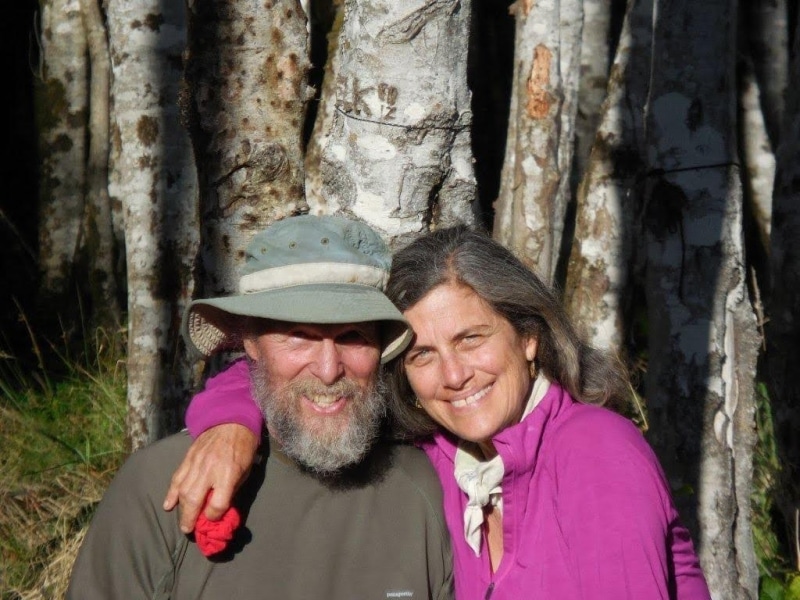
Underground Good: Terri and Gary Orwig
“I love to encourage people to become volunteers. There are so many opportunities out there that could match your interests. If they have time, it’s such a fulfilling thing for your spirit, for your heart. That’s important to me. I want to leave this earth knowing I did good work, that I helped people.”
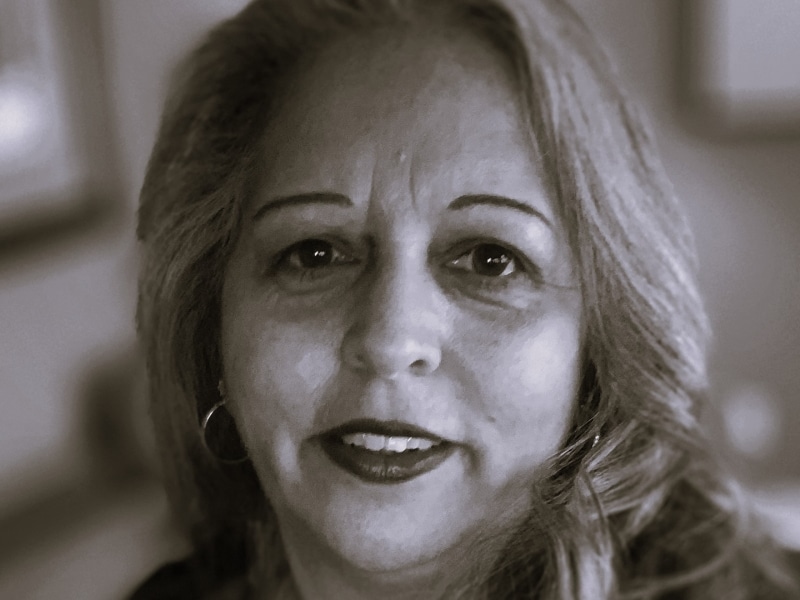
Underground Good: Kelly Hemphill, Lelnamis Wintu Qol
“As we continued with class, we began to think there’s more to Wintu Qol than learning the language. Language is community, it’s culture, it’s who you are and how you connect with the community, your family, and your history.”
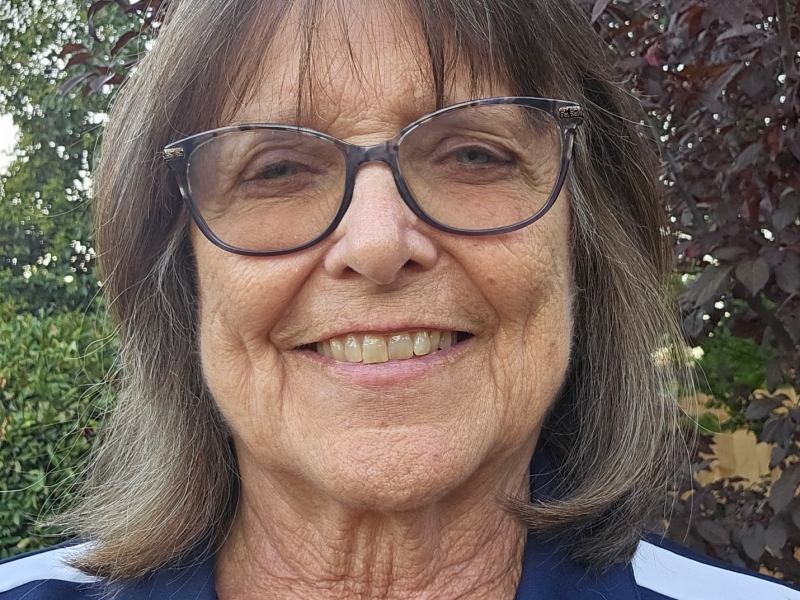
Underground Good: Linda Rube of Goodwater Crossing
“It has been surprising to me to see how well a housing first model works! When people step up and take responsibility for themselves and make decisions for themselves, they’re much more apt to follow through. They are doing what they want to do with their lives. There’s hope in that.”
Mike has contributed countless hours to Redding Pickleball – welcoming many of all ages. He effortlessly weaves community and sport together. Cheers to Mike!
I had the pleasure of meeting Mike several years ago when an older neighbor invited me to join his pickle-ball group. Keep up the good work Mike!
A great article about a great person!!
We visit Redding occasionally and try to play pickleball there when time and weather allow. Mike was one of the first people we met at the courts and we quickly realized he’s a special person with his passion, enthusiasm, and compassion — ambassador is the perfect title for him! We were so impressed with the organization and community involvement that we pitched in resources and money when we could. We were/are happy to help continue the growth of this wonderful sport where it’s appreciated and succeeding through the dedication and ongoing efforts of Mike and many others from the Redding pickleball group.