
Underground Good: Sara Hoxie
'Will had so much energy and love to give. He'd walk into a room, and his personality would drive everything there. He kicked up a lot of dust, and we're just not going to let that dust settle.'
We always clearly label Opinion Columns to ensure they won’t be mistaken for news. Our Op-Ed writers apply their professional expertise to our community’s unique challenges to promote innovative thought and encourage healthy discourse.
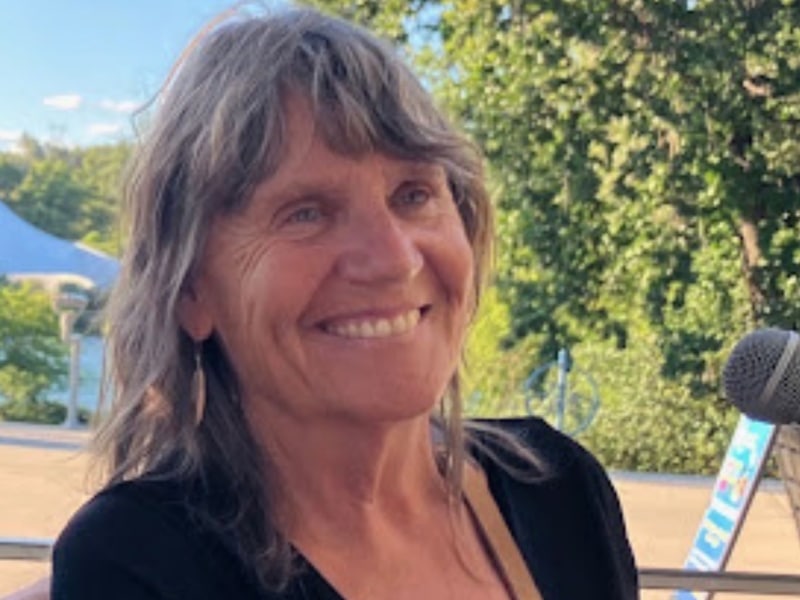
'Will had so much energy and love to give. He'd walk into a room, and his personality would drive everything there. He kicked up a lot of dust, and we're just not going to let that dust settle.'
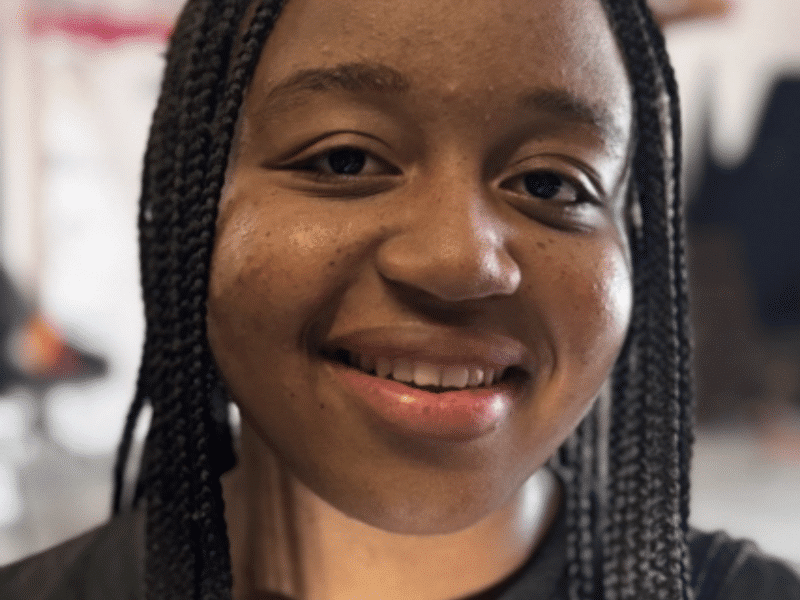
“Aside from clothes and food, sometimes we’ll hear from people who don’t feel connected to their families or need to talk to someone and don’t have anyone else they can go to. People are finding their community here at the center and that keeps me motivated when I'm working here.”
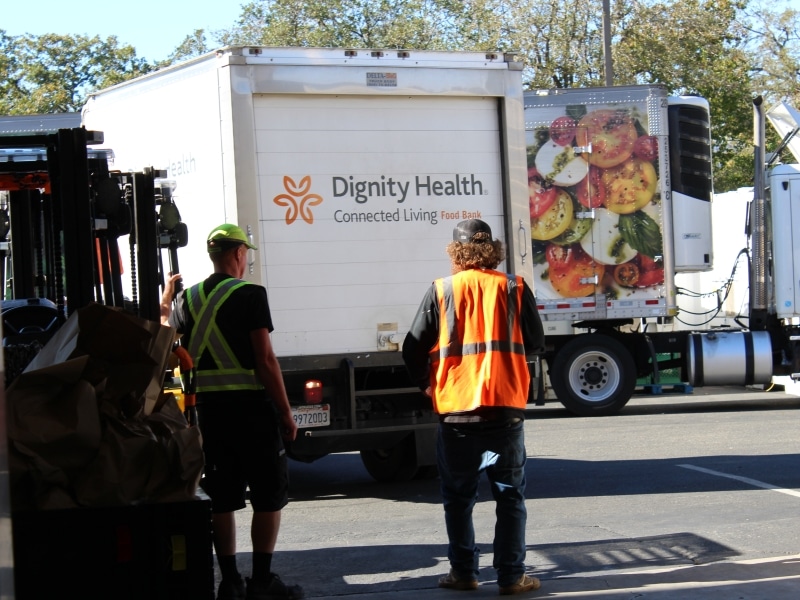
The need for health care, behavioral health treatment, and food assistance will not disappear because federal funding drops. The burden simply shifts downstream to counties — forcing cuts to emergency rooms, food banks, sheriff’s deputies and already-overwhelmed local systems.
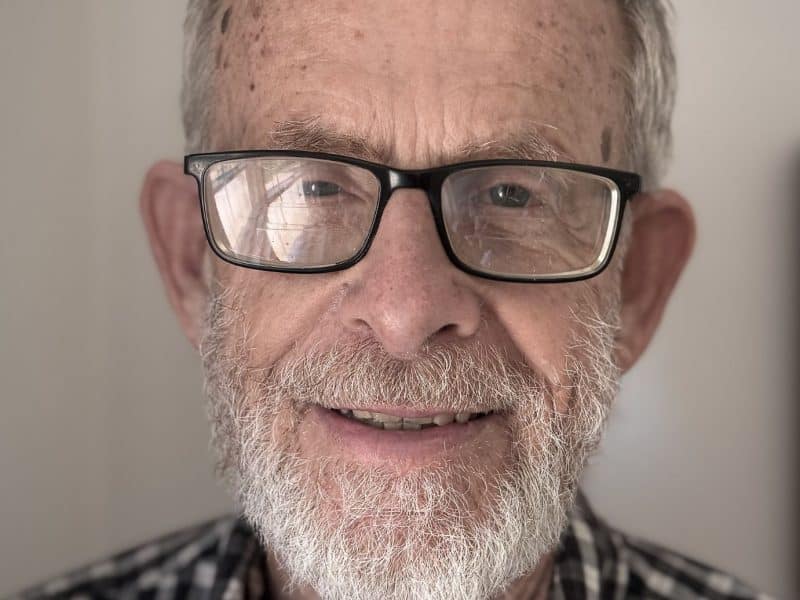
“As a poll worker ... you notice that many people, when they come through the doors, all of a sudden, they change. They become more dignified. You can see that they are getting ready to vote, and they rise to the occasion.”
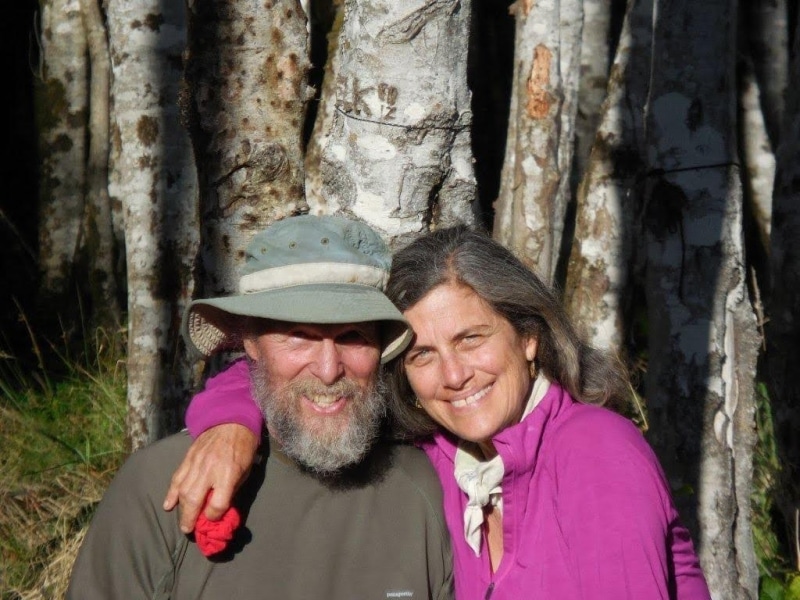
“I love to encourage people to become volunteers. There are so many opportunities out there that could match your interests. If they have time, it's such a fulfilling thing for your spirit, for your heart. That's important to me. I want to leave this earth knowing I did good work, that I helped people.”
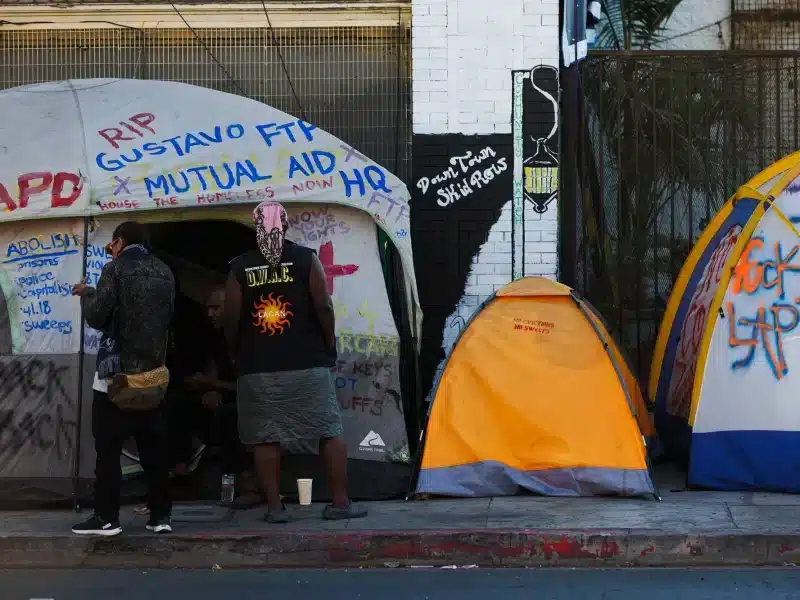
This story is part of California Voices, a commentary forum aiming to broaden our understanding of the state and spotlight Californians directly impacted by policy or its absence.
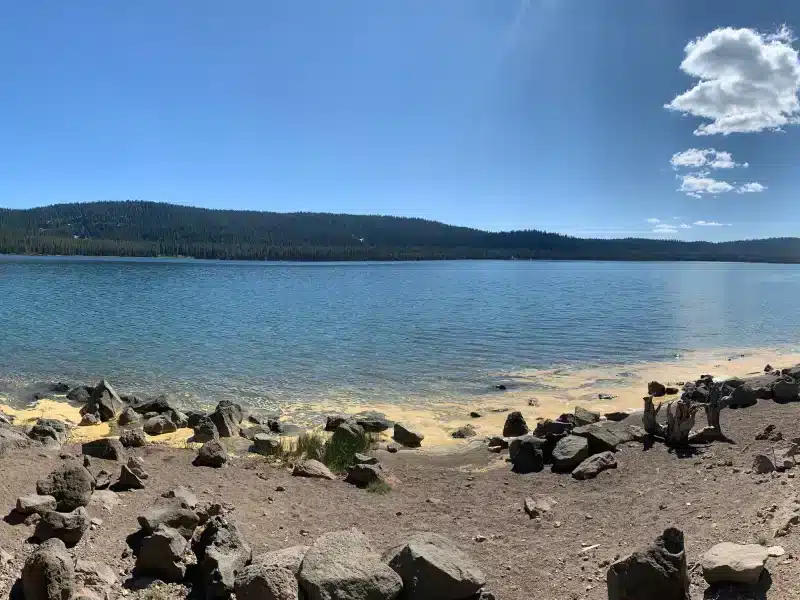
Trump’s “Energy Emergency” Threatens Endangered Species, an Enormous Aquifer, a Sacred Place of Peace—And So Much More
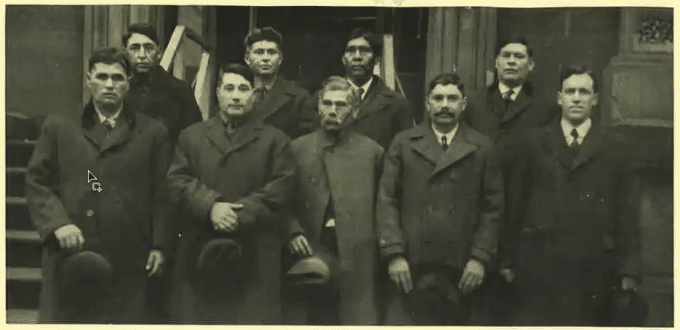
After recent erasures of the historical contributions and experiences of Indigenous people from public sites, the work of an early 20th century Wintu poet provides poignant insights into how local Native people have fought against invisibility for centuries.
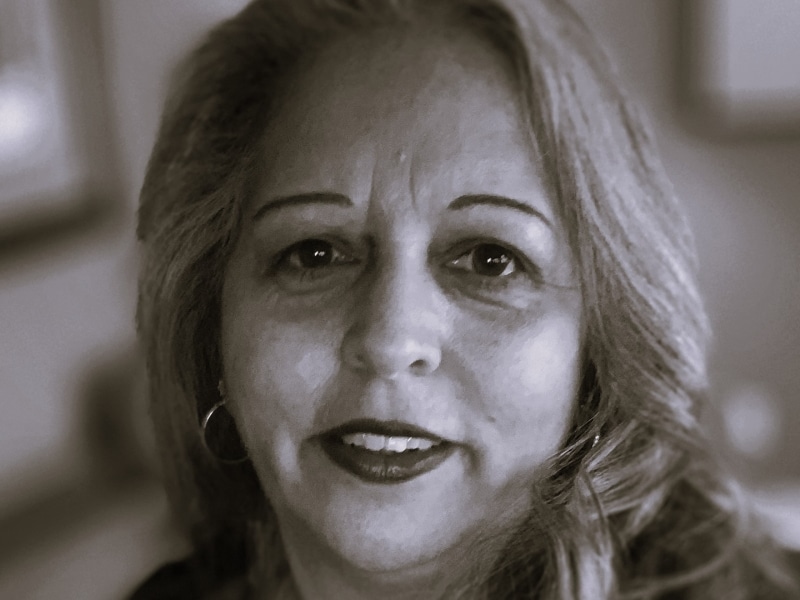
“As we continued with class, we began to think there's more to Wintu Qol than learning the language. Language is community, it's culture, it's who you are and how you connect with the community, your family, and your history.”
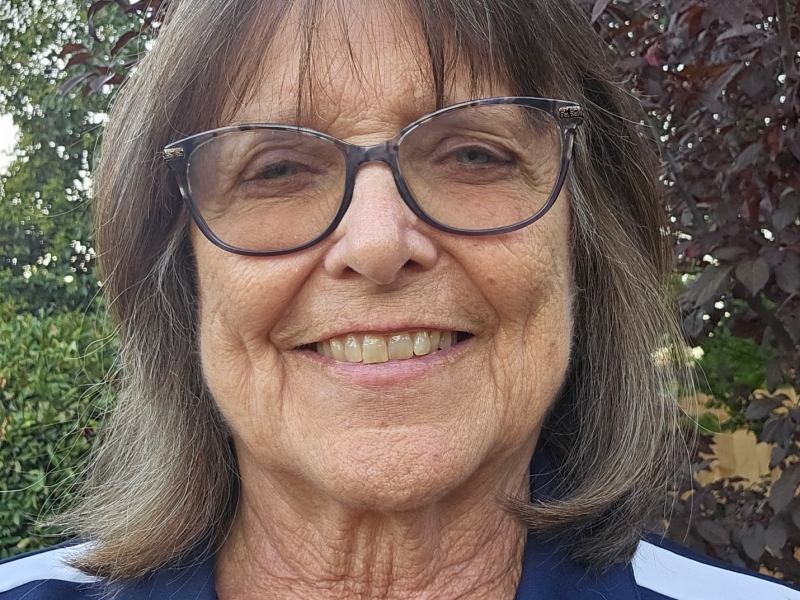
"It has been surprising to me to see how well a housing first model works! When people step up and take responsibility for themselves and make decisions for themselves, they're much more apt to follow through. They are doing what they want to do with their lives. There's hope in that."