
Survey: What do you most want to know from Redding’s city council candidates?
We’re flipping the script by centering readers’ voices in our coverage of the Redding City Council race this November. Taking our anonymous survey will help us decide what questions to ask.
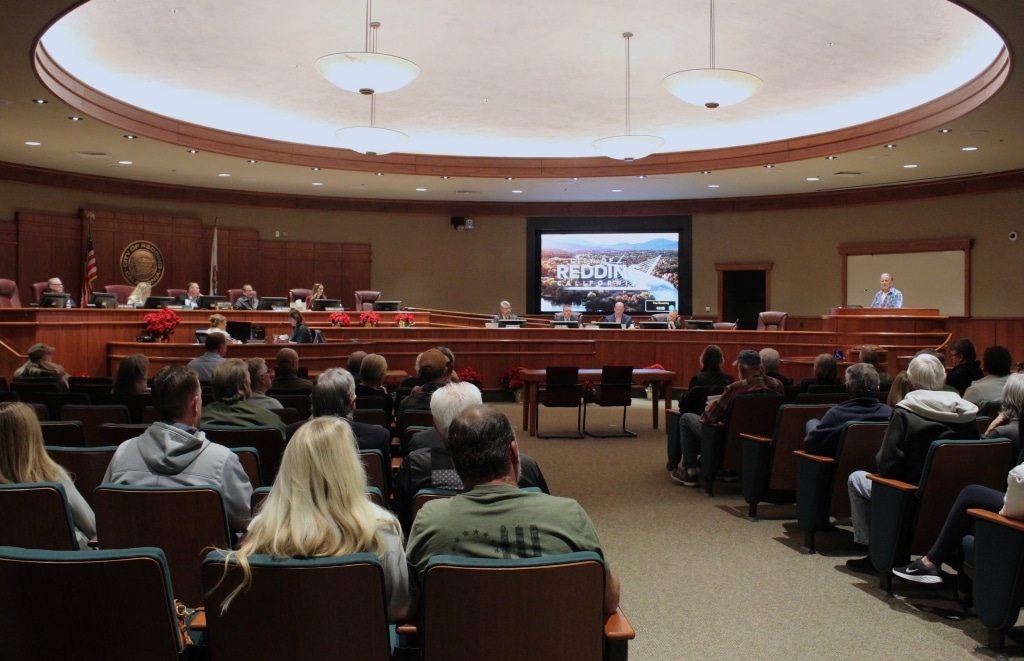
There are nine candidates running for three open seats on the Redding City Council this fall. The open seats make up a majority of the total of five seats on the council, meaning the outcome of this election will set the tone of the council for the next four years.
It’s a pivotal moment in Redding’s history. The city is facing serious financial challenges and is in the throes of completing an efficiency study that could lead to significant operational changes. Redding is also facing vacancies in five top leadership positions after a number of former department heads have left for a variety of reasons, including retirement, job changes and even death.
This year’s slate of candidates includes two incumbents, Tenessa Audette and Jack Munns, along with six others: business owner Christina Prosperi, former Council member Mark Mezzano, Planning Commissioner Russ Wenham, mobile crisis clinician Paul Saulsbury, Elise Sloan, Joana Rebollar and Rebecca Anne Miller.
As we’ve done for the last three years, we hope to interview all nine candidates using a list of questions created by you, our readers. Take our brief survey below to weigh in on the topics you care most about. We’ll use those responses to develop questions, interview the candidates one-on-one and publish their curated responses over the coming weeks as part of our Meet-the-Candidate series.
Take the survey here.
Do you have a correction to share? Email us: editor@shastascout.org.
Author

Comments (10)
Comments are closed.
Related Articles
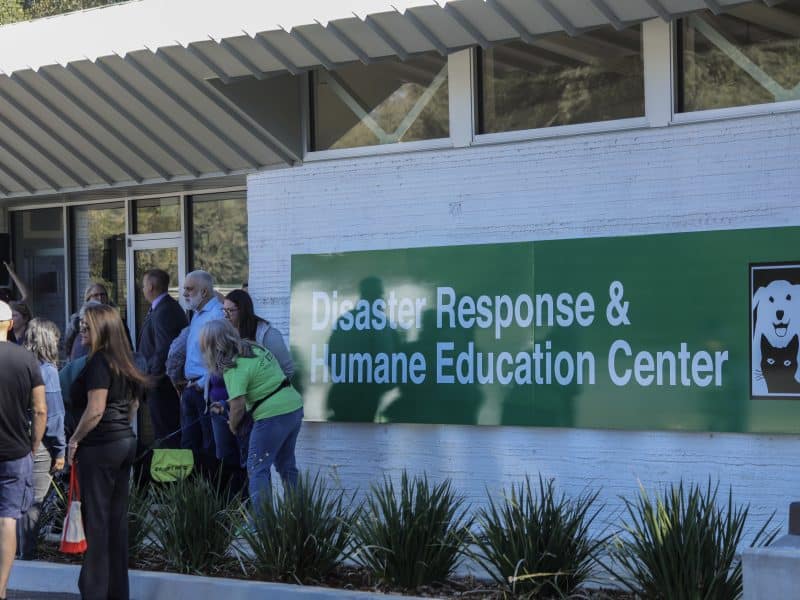
Haven Humane opens disaster response center built with Zogg Fire funds
The animal welfare organization opened a new disaster response and humane education center today next to its existing facilities in Anderson. The center was built with funds from the Zogg Fire that were designated for animal care in honor of Karen King.
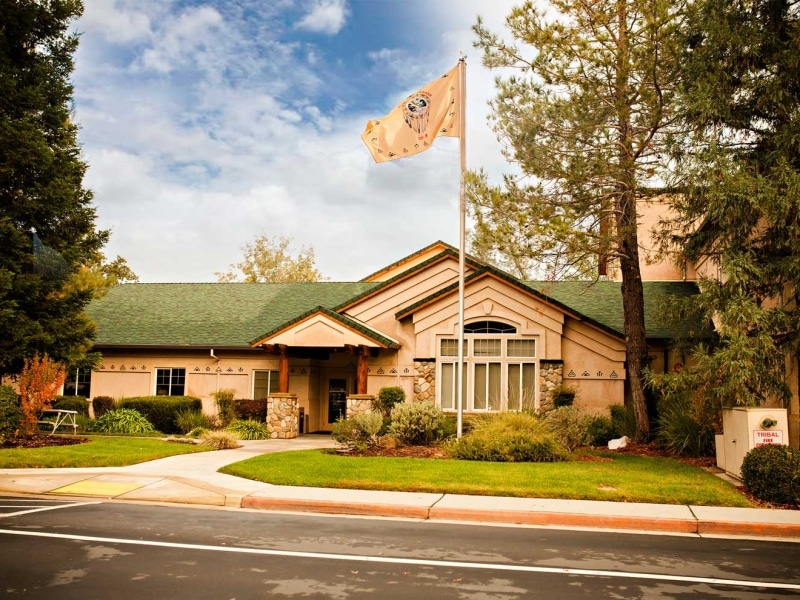
Redding Rancheria PAC spends $32,000 to support four city council candidates
The Tribe said it created a PAC, or political action committee, to support city council members who understand the relationship between the Tribe and the city. Those candidates haven’t received direct donations of funds; instead, the PAC has provided indirect support through media campaigns.
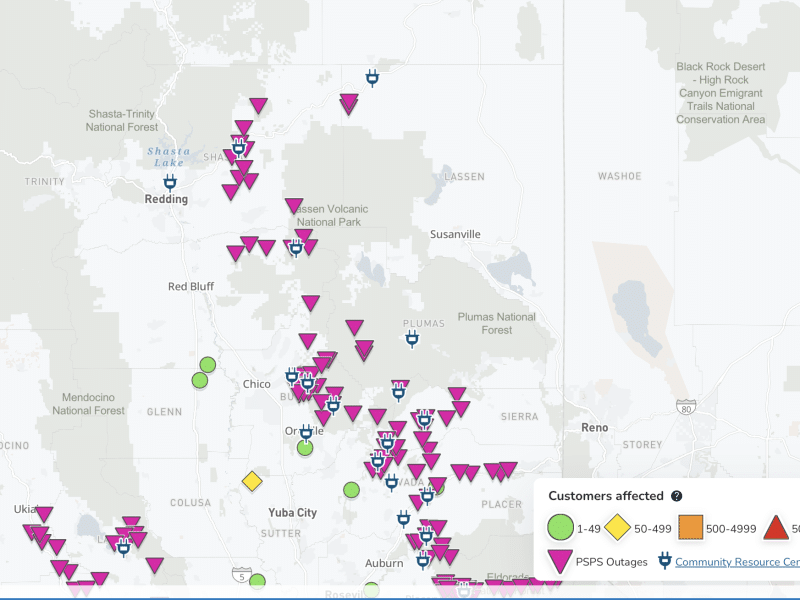
Power shutoffs impacting thousands of customers across Shasta County
PG&E shut off power for California residents earlier this week due to wind and dry conditions, which could lead to dangerous wildfires. Shutdowns are expected to continue until Saturday morning.
If they have ever voted Republican then I am an automatic no. We need to cleanse our community.
How will each of them handle people like the outgoing ROV and his boxes of funny smelling ballots? How will they deal with other illegal actions by our elected officials?
Please don’t let the conspiracies start !
My wife and I live in Redding with two vehicles. One day, a few months ago, we walked from our home to the RABA station near the Amtrak Station. We checked the routes listed, easy to understand, and decided to take a ride for the fun and experience.
My point is that the City of Redding not only has one of the best bus programs in the North State, for walkers, cyclers, and those retired and carless. The City also has one of the most progressive and important independent Utility Districts.
I would like to hear each candidate for City Council position speak about their knowledge of how the City is working positively and constructively for all of us in this community of Shasta County. I look for words of positive action to continue or change what works for all of us.
I hope to see a debate with all nine candidates participating in a format that allows them to fully address both their intentions and their political philosophies so that we, the voters, can make a more informed decision.
Are you Bethel?
Are you now or have you ever been a member of the communist party?
Lol. This isn’t LA thank god.
I have two questions; Was Trumps election stolen and do you align with thr state of Jefferson movement?
ALL Presidential elections are fraudulent to the core; many people in America still hold the belief that casting a ballot is a “civic duty” when the reality says something different: individuals holding positions of power represent the interests of entities who finance their campaign not the expectations of gullible and ignorant constituencies.
The so-called “State of Jefferson” movement is highly vulnerable to financial exploitation because its central goal—seceding to form a 51st U.S. state—is legally and politically impossible under Article IV of the Constitution, creating a permanent fundraising loop.
Because the objective can never be achieved, opportunistic operators can solicit grassroots donations, grants, and merchandise sales indefinitely by convincing frustrated rural residents that they are always “just one lawsuit” or “one rally” away from a breakthrough.
This endless cycle allows bad-faith organizers to weaponize legitimate feelings of political alienation in Northern California and Southern Oregon, transforming a cultural identity into a highly lucrative business model fueled by manufactured hope and outrage.
To enrich themselves without technically violating basic nonprofit law, corrupt board members and founders typically manipulate internal organizational structures to drain incoming funds.
While IRS regulations forbid directly pocketing net profits, operators routinely bypass this by hiring their own private LLCs, spouses, or themselves as high-priced “consultants,” “executive directors,” or “PR specialists.” Grassroots funding intended for legal defense or community advocacy is instead eaten up by these bloated administrative salaries, travel expenses, and opaque management fees.
When an organization’s primary output consists of endless town halls, symbolic flags, and doomed-to-fail lawsuits rather than tangible community investments, the movement ceases to be a political campaign and effectively becomes a self-sustaining grift.