
16-year-old poll worker shares experience from Election Day
Morris Kopf, a sophomore at Redding School of the Arts, said he decided to become a poll worker for this year’s midterm election for two main reasons: the $100 stipend, and to learn how Shasta County’s election system works.
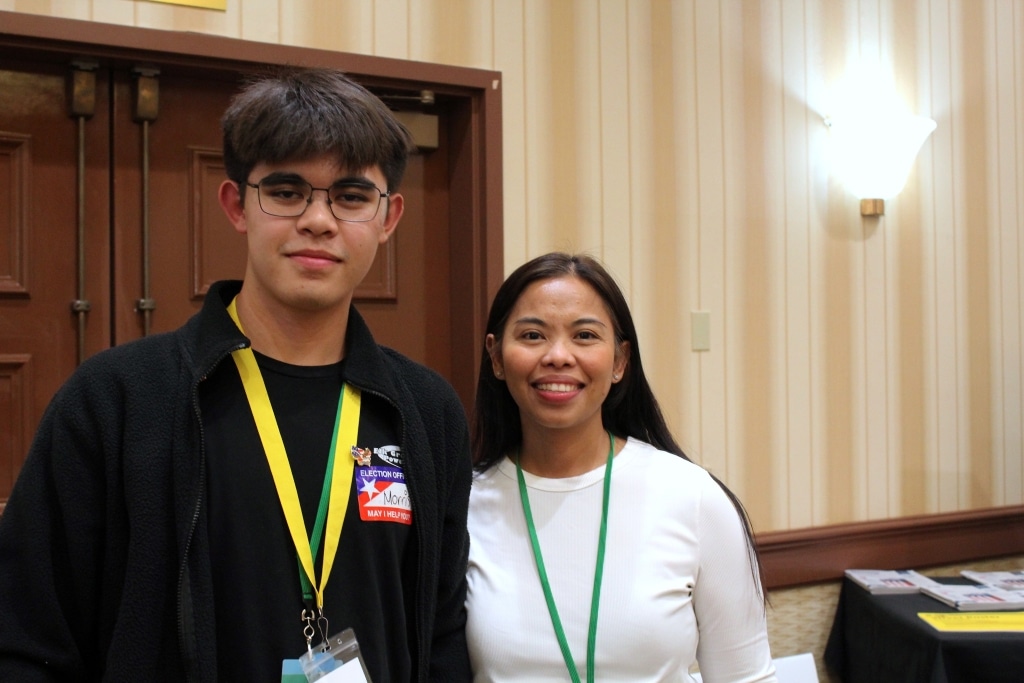
When walking into the polls on Election Day in Shasta County, it’s common to see poll workers who are older and retired, with many of them wearing their years of experience with pride.
But voters walking into the Red Lion Hotel in Redding this Election Day were helped by an unexpected poll worker: 16-year-old Morris Kopf.
Kopf is a sophomore at Redding School of the Arts. When asked why he decided to be a poll worker, he first mentioned the $100 stipend that caught his eye. But he further explained that he’s been interested in politics for the past six years and wanted to learn about a process that much of his generation — and many others — don’t understand. Combined, the lure of pay for an educational experience was too good to pass up, he indicated.
“I can get the $100 stipend and go and do something that will give me experience in how our election system works,” he remembered thinking when considering becoming a poll worker.
Kopf is not new to community service. He also volunteers at Shasta County’s youth peer court, which is where he said he found out about the student poll worker program. The program allows high school students to serve as poll workers as long as they meet certain qualifications, such as being at least 16 years old, having a 2.5 GPA or higher and completing a poll worker training class. According to the California Department of Education, high school students who serve as poll workers on Election Day qualify for an excused absence.
Kopf’s role throughout Election Day was to check if voters had their mail-in ballots and envelopes with them, determine whether to give them a provisional ballot and direct them to the precinct inspector if they had questions. Just like the other poll workers, he had to be at the polling place at 6 a.m. and stay until after the 8 p.m. closing, which he said wasn’t bad as long as he found someone to talk to.
“I’d definitely come back and do this again,” he said.
The biggest challenge he had throughout this process was the training, he explained, saying it felt like a lot of information was thrown at him without much hands-on practice. He said two other poll workers at his polling place were also new, and they often all had to seek guidance from the precinct inspector.
“There’s been some hiccups here and there, some special cases with people,” he said. “But other than that, it’s been fairly smooth sailing and easy. I think anybody could do it if they set their mind to it.”
Kopf acknowledged that being a poll worker isn’t something he sees many of his peers doing, but he said it was an enjoyable experience that he encourages them to try.
“You don’t even need to know politics to be in this,” he said. “All you need to know is that you just need to take the person’s ballot, … help them make their vote, help them make a change, and know that you’re making a change.”
His mom, Evangeline Kopf, was serving alongside him at the Red Lion Hotel, also as a first-time poll worker. She said she got involved as a poll worker because she’s Filipino and heard the polls needed more bilingual speakers.
She added that she’s proud of her son for being an active participant in civic engagement and showing interest in his future, saying she tries to honor his interests when he makes them clear.
“I had experiences where my parents wanted me to do something, but it’s not what I wanted to do,” she said. “I don’t want to do that to him, because I know how it feels like being pushed to do something that I don’t want.”
More information about the student poll worker program can be found here.
Have information or a correction to share? Email us: editor@shastascout.org
Related Articles

Newsom’s death sentence commutation impacts 7 people charged in Shasta County
Today’s executive order commuted the death sentences for over 500 state prisoners, including seven charged in Shasta County. Shasta’s district attorney issued a rebuke to Newsom’s decision this afternoon, calling it an irresponsible political agenda.
Redding City Council race still too close to call after new vote totals
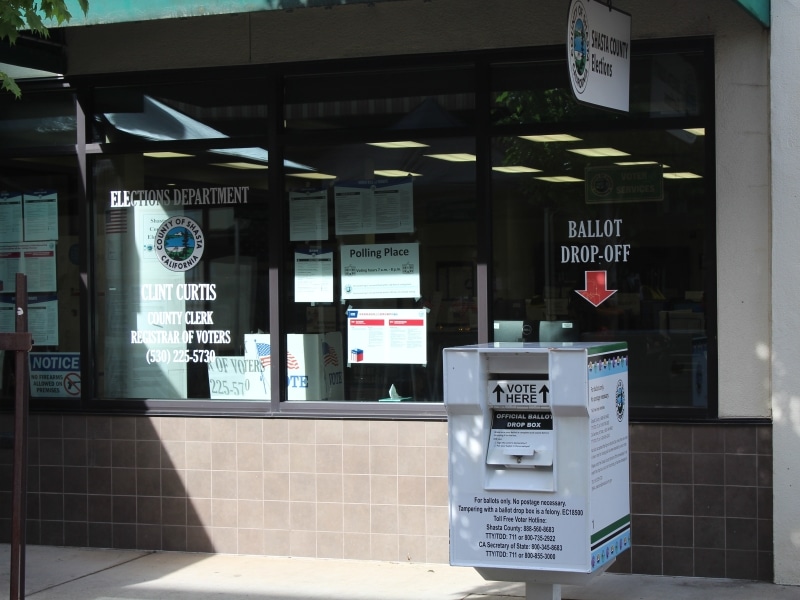
A small lead has widened between Mark Mezzano, who’s in third place, and Christina Properi, who’s in fourth. But the difference in votes is still minimal compared to the number of ballots left to count.
With less than half of expected ballots counted in Shasta’s election, some likely winners emerge while others remain uncertain
If this year’s voter turnout follows trends from previous midterm elections, the county has over double the number of ballots still left to count. Nearly 32,000 ballots have been counted so far.

Comments (0)
There are no comments on this article.