
A 1% Local Sales Tax Measure is in the Works. It Could Solve Redding’s Budget Woes, but Not this Fiscal Year.
A group called Citizens for a Better Redding hopes to pass a local sales tax measure this fall. If successful, the measure would likely take effect in April 2026. Meanwhile, the City still faces a $5 million shortfall for the fiscal year that begins July 1.

Finding a solution to Redding’s $5 million deficit is on the mind of many local politicians. In June the Redding Council will need to approve a final budget that will go into effect on July 1. Until then the Council is engaging in a series of sometimes-tense discussions about what kind of spending cuts, or new revenue measures, could keep Redding out of the red.
Last Tuesday, a potential solution was brought to the public’s attention via comments made by several City Council members during an evening meeting. They cited a community group that had just approached the Redding Council about a newly proposed “community-led sales tax” measure, in the works.
“We received a letter this morning stating there’s going to be a community-driven sales tax initiative, and possibly that will hit the ballot later this year,” Council member Mike Littau said during a discussion on whether to increase Redding’s cannabis tax.
While this possible “community-driven sales tax” figured largely into Littau’s decision not to support the increased cannabis tax, relatively little is known so far about the possible ballot measure.
At Shasta Scout’s request, City Manager Barry Tippin provided a copy of the letter Littau had referenced shortly after last Tuesday’s meeting, and by March 7, the group behind the sales tax initiative had also issued a press release in response to requests for comment.
Using the title Citizens for a Better Redding (CBR), a group of currently undisclosed community members hopes to offer voters the chance to approve a 1% increase in sales tax this fall, funding that would be directed specifically to police, fire, roads, and parks.
Who’s part of CBR remains shrouded in secrecy. Until ballot language is approved and the petition process starts, spokesperson Dennis Morgan said, the names of others involved in the group are not being released.
What CBR has revealed for the public are a few more details about the ballot measure itself, including that the sales tax will be categorized as a “specific tax,” meaning that the money collected from the public will, by law, be levied towards the specific purposes outlined in the measure itself.
A specific tax would normally require the approval of two-thirds of Redding voters to pass, but since CBR’s special tax will be proposed as a “citizen-led initiative,” the sales tax will only require a simple majority of 50% plus one vote to pass, a detail shared by Littau and confirmed by Redding City Manager Barry Tippin.
If passed, the 1% sales tax would likely bring in about $30 million annually. It’s an amount that would make up for the City’s $5 million deficit several times over, and could also help pay for a number of additional “unmet needs” not currently included in the City’s budgets, such as fire station improvements, vegetation management to prevent wildfire, and turf replacement for the Redding Soccer Park.

If CBR members are able to gather enough signatures, the sales tax measure will appear on ballots this November. But the revenue stream that could be generated by such a measure likely wouldn’t begin, Tippin told Shasta Scout, until April of next year. The delay has to do with the need to establish a contract with the state, the City Manager explained.
Despite the uncertainty of the tax measure’s future, and the delayed timeline, the topic of a potential sales tax figured heavily into the Council’s discussion on whether to raise taxes on Redding’s cannabis businesses during the Council’s explosive public meeting last week.
A more moderate cannabis tax increase than was originally proposed by staff, was brought forward by Council member Erin Resner, who pointed out in response to Littau’s comments on the proposed tax measure that the City staff’s deadline to balance the budget is months before November and there’s no guarantee that such a measure, if brought to the voters, will pass.
The Council eventually voted to approve Resner’s proposed tax rate which will be implemented on July 1 and bring in about another $250,000 annually in revenue, a significant amount but one that represents only a small piece of the $5 million budget gap.
After the meeting, Resner explained her concerns about the Council counting on a positive result from the proposed tax measure, telling Shasta Scout, “history has shown that residents of Shasta County would prefer subpar roads, less public safety, and aging parks rather than pay 1% more in local sales taxes.”
Her skepticism is based on the failed history of sales tax measures both in Redding and Shasta County. In 2016, Redding voters turned down a 0.5% city-wide sales tax measure for public safety when it received only 37.5% of the vote. In 2020, a 1% public-safety focused sales tax measure for all of Shasta County also failed to reach the bar of voter approval – garnering only 51.5% of the vote instead of the two-thirds majority that was needed.
The timeline for implementation of such a tax also leaves significant room for concern, but Littau told Shasta Scout he still believes the measure could be paired with other efforts to create a solution to the current crisis. In an email he wrote that the City could possibly “issue a $100 million dollar bond to address immediate needs and pay (the bond) off using future sales tax revenue…”
“So this is a viable solution for the short term if the City Council acts optimistically, dips into reserves but yet prepared for significant cuts if it fails in November,” Littau concluded.
City Manager Tippin has not responded to Shasta Scout’s inquiry into the mechanics of taking out such a large bond, including whether there are certain stipulations or obstacles Council members could face in borrowing $100 million in the short-term, especially without yet knowing the outcome of a future potential vote.
The City Council will meet today, March 13, at 2 pm for the second in a series of budget workshops this year.
Do you have a correction to share? Email us: editor@shastascout.org.
Related Articles
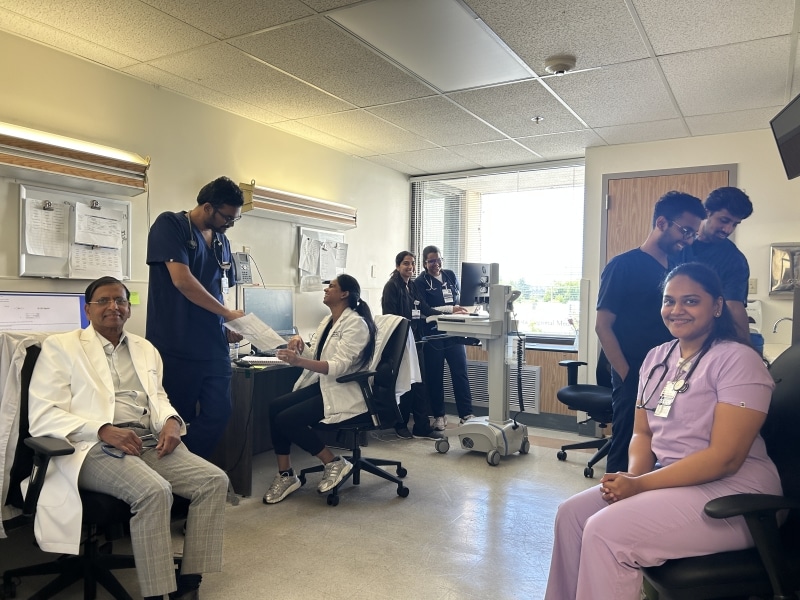
For Shasta, collaboration needed to solve physician shortage
Political division is a barrier to improving healthcare access in Shasta County. Experts say solving the entrenched problem requires working together.
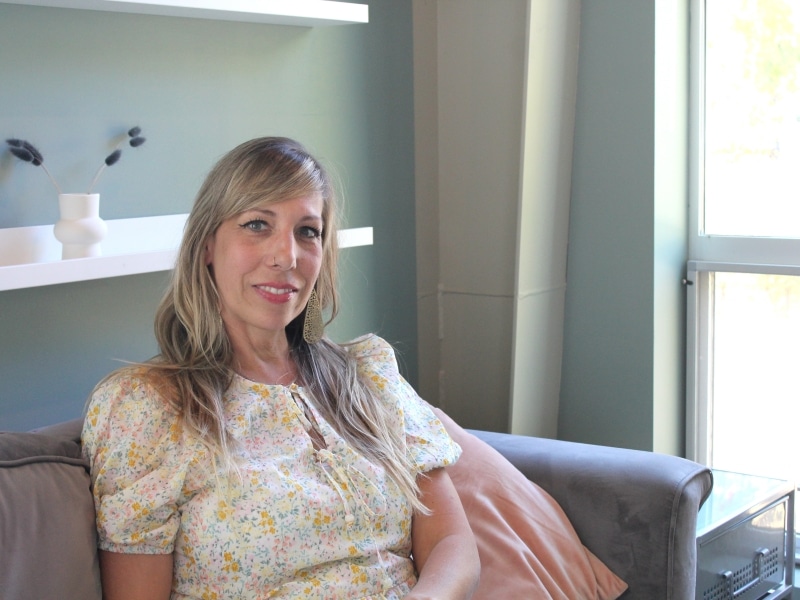
Meet Rebecca Anne Miller for Redding City Council
Three seats are up for grabs on the council this fall, and nine candidates are running. Miller is a substitute teacher with the Shasta County Office of Education and a caregiver with In-Home Supportive Services, or IHSS.
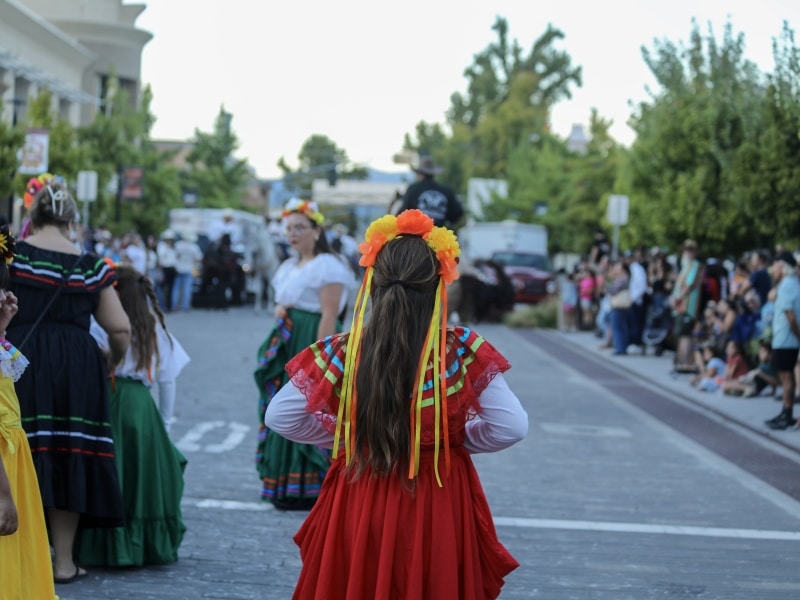
Gallery: Downtown Redding hosts fourth annual Hispanic Heritage Month celebration
Red Bluff-based entrepreneur Araceli Gutierrez collaborated with Viva Downtown to bring the celebration of Hispanic Heritage Month to Redding.