
Meet Madison Zimmerman for Shasta County Office of Education Trustee
Madison Zimmerman is running for one of seven seats on SCOE. She refers to herself as a proud product of Shasta County Schools and plans to bring her skills developed both inside and outside of the county to expand opportunities for students to thrive here in Shasta.
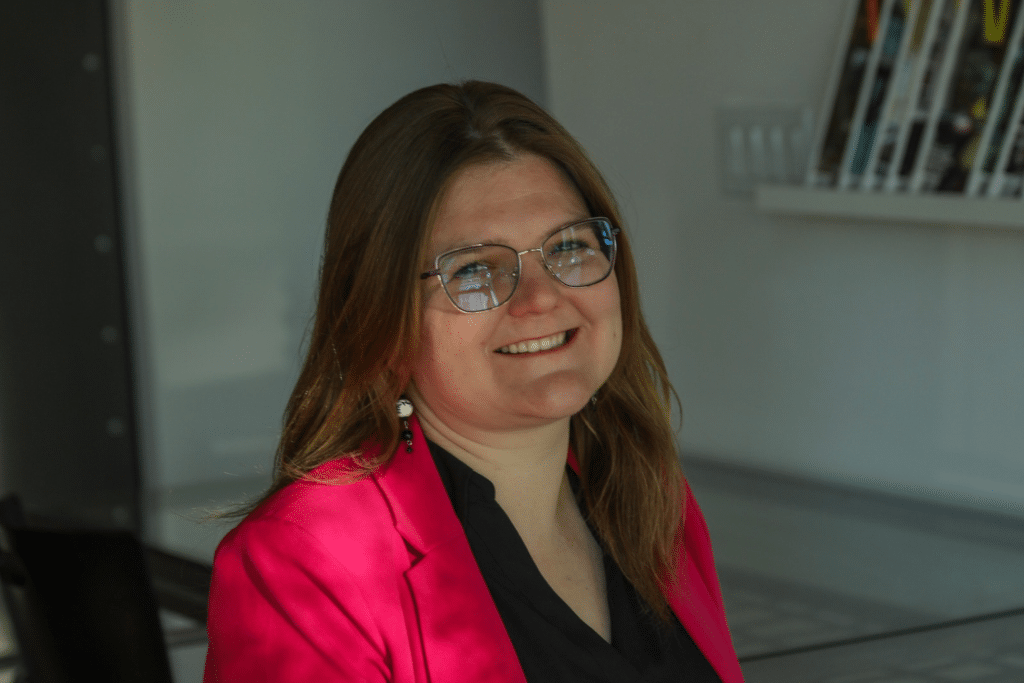
For Madison Zimmerman, public education serves every student. As a Shasta County Office of Education Board member, her main priority is to expand opportunities for students and ensure every student can thrive not only in school, but in the community.
What background or experiences have prepared you to serve on the SCOE Board? What are your priorities as a board member?
I believe that my background as a lifelong resident of Shasta County and a former student school board member prepare me for the role, along with other academic and career experiences.
I have my bachelor’s in history, where I focused my research on students with disabilities and their experience in education systems throughout the last century in the U.S. I also recently completed my master’s in public administration where I had a focus on financial literacy education in K-12.
I currently work at Shasta College where I help students with everything from enrollment to financial aid and beyond.
My priorities for the board are making sure that we are complying with state law, that’s we’re staying focused on ensuring funding for special education programs such as Shasta’s Special Education Local Plan Area or SELPA and making sure that every child who graduates high school in Shasta is either college, career or community ready, or all three!
What do you see as the value of public education? Have you or would utilize public schools for your children? Why or why not?
Public education is awesome. It is a bedrock of democracy. I had a very positive experience in my public school. I became deaf at the age of 11 and it was scary for my parents for a time. They were not sure I would be able to stay in public schools. Thankfully, in part to some of the incredible resources available through Shasta County Office of Education and SELPA, I was able to get the support to be able to stay at the same school with my friends and stay with my family through graduation.
This board has seen a significant amount of conflict over the ideologically diverse views of its current members. How would you work to center the needs of students and collaborate with those you may disagree with?
I think that it’s important to listen to everyone, even those that you disagree with. Everyone considers themselves an expert in education because everyone was once a student. My strategy is to break the problem down and look at who’s going to be most impacted by a policy while also looking at the greater impact for resources and long term opportunities.
As a board member, you’ll oversee the county’s budget. What concerns if any do you have about SCOE’s current budgetary approach? What would you intend to change, if anything?
There is a lot of uncertainty right now because of changes in policy, both statewide and national. It is incredibly important that we stay engaged with similar counties and relevant educational groups. Shasta County has both urban and rural areas, so it’s also important that we understand the nuances of each and the power of accessing funding for programs to make sure that we’re able to offer opportunities at scale. I know there’s often a focus just on the cost of specific programs, but we should also make sure we understand the opportunity cost.
SCOE Board members also oversee several local schools. How would you safeguard the rights of diverse children including those who are ethnically diverse and/or part of the LGBTQ+ community?
We must really listen to students and to what makes them feel safe. It’s important to make sure that we have policies that are compliant with California state law to protect students and making sure that we are honoring all types of leaders and individuals in history, not just people who are more traditionally honored, so that minority children can see themselves in history.
Shasta County serves numerous special education students. How would you work to uphold state and federal special education law and ensure the needs of special education students are met?
I would definitely look at resource allocation and make sure I’m data-informed as well. I know one of the things that has come up with some conversations I’ve had with parents of children is how incredibly difficult it is to navigate IEP and 504 meetings. We have some great nonprofit resources that not every family knows about, such as the NorCal Services for Deaf and Hard of Hearing, that provides specialized support for families so that they feel comfortable and knowledgeable going into those meetings. Including access to those kinds of resources is part of a strong public education.
Do you have a correction to share? Email us: editor@shastascout.org.
Author
Related Articles
Meet Rebecca Anne Miller for Redding City Council
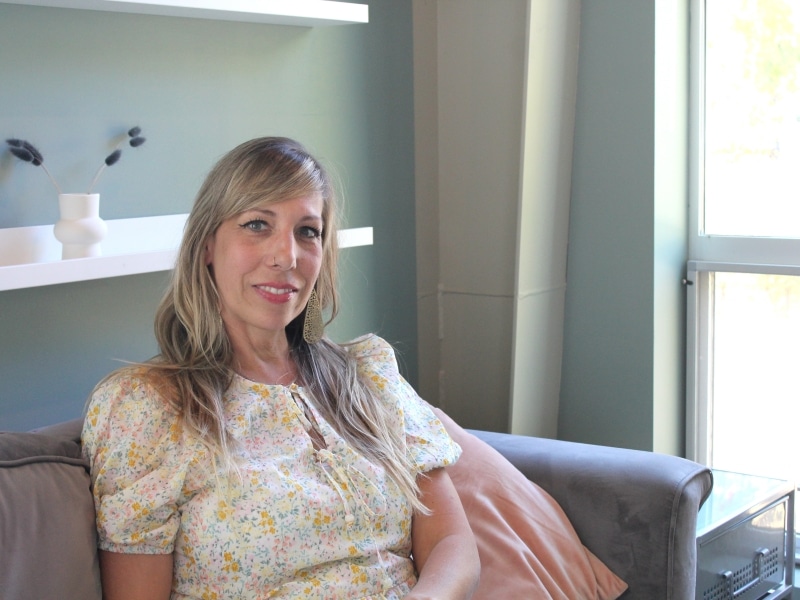
Three seats are up for grabs on the council this fall, and nine candidates are running. Miller is a substitute teacher with the Shasta County Office of Education and a caregiver with In-Home Supportive Services, or IHSS.
Meet Jack Munns for Redding City Council
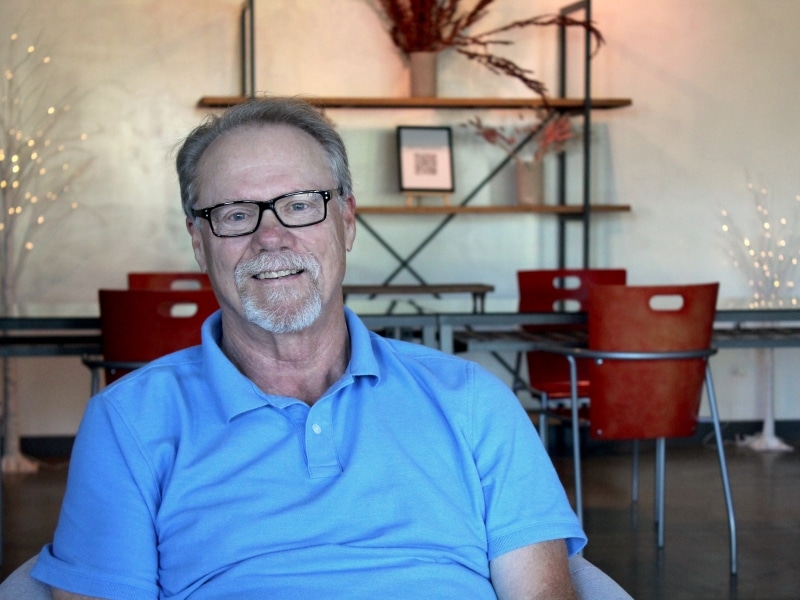
There are three council seats on the ballot this November, and nine candidates are running. Munns is a current council member and former police officer.
Meet Lisa Barry for Shasta County Office of Education Trustee
Lisa Barry is running for one of seven seats on SCOE. She has a background of service in the Intermountain area including as a community organizer with Burney Friends and Neighbors.
Comments (0)
There are no comments on this article.