
Community Forum Provides Insight Into Statewide Mental Health System Changes Ahead
Those state laws include CARE Courts and newly passed SB 43, as well as two bills that will be on the ballot for California voters to decide on in March 2024. We explain more.

On Friday, October 27, the Good News Rescue Mission held the fourth Redding Restart event focused on mental health. The forum was held at Dignity Health’s Mercy Oaks, where about 100 people gathered to listen to mental health service administrators discuss the state of those services in Shasta County.
The forum’s main event was a panel, composed of Laura Stapp, Shasta County’s Deputy Branch Director of Mental Health, Glen Hayward, Executive Director of Health Services at Redding Rancheria, and Dr. Thomas Andrews, co-founder of North American Mental Health Services.
Using audience-submitted questions, the Mission’s Executive Director Jonathan Anderson, asked the panel to respond to a series of questions on California’s new CARE Courts initiative, how to respond to someone in distress on the streets, and more.
Stapp also gave an overview of new and upcoming California legislation on mental health treatment and systems including both CARE Courts and three new, or possible, state bills.
The CARE Court system was approved in 2022 and has been in development by each California county since then. Meanwhile, Governor Newsom just signed SB 43 in October, and SB 326 and AB 531 will be on the ballot for California voters to decide in March of 2024.
CARE Court, or the Community Assistance, Recovery, and Empowerment Act (CARE) Court plan is a far-reaching mental health system proposed by California Governor Gavin Newsom. It is designed to allow an individual’s family, friends, behavioral health workers, or first responders to petition the court to evaluate them and mandate their treatment. If that plan is not followed, the individual could become eligible for conservatorship.
Stapp said Shasta County will begin implementing the CARE Court system on January 1, 2024, describing it as “an opportunity for people involved in the criminal justice system and have a severe and persistent mental illness to really get services rather than being incarcerated.”
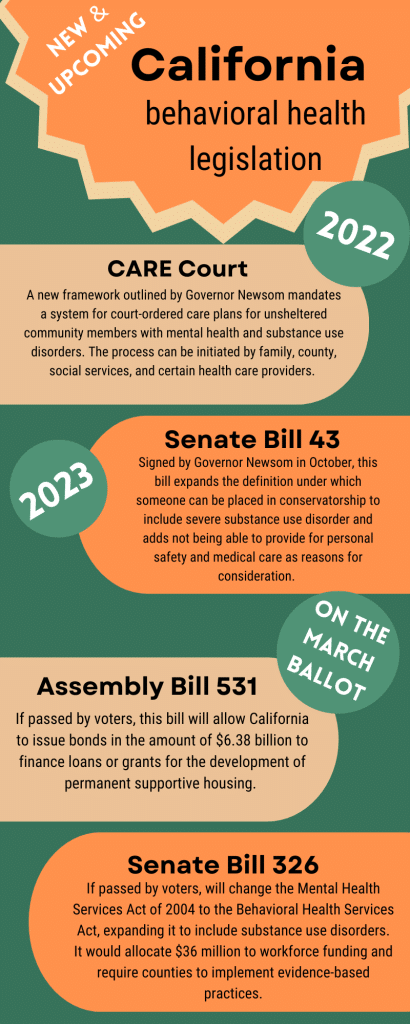
While CARE Courts are now mandated state-wide, many advocacy groups opposed the framework when it was proposed, including the Disability Rights Legal Center, Disability Rights California, the ACLU, and the National Homeless Law Center. In their joint April 2022 letter to the judiciary committee, the organizations stated: “CARE Court is antithetical to recovery principles, which are based on self-determination and self-direction. The CARE Court proposal is based on stigma and stereotypes of people living with mental health disabilities and experiencing homelessness.”
State Bill 43, panelists explained, dovetails with CARE Courts, by updating California’s conservatorship laws to allow those experiencing what they described as “serious mental illness or severe substance use disorder,” to be placed in a conservatorship in order to direct their treatment. SB 43 adds to the eligible reasons conservatorship may be considered for an individual to include “inability to ensure personal safety” and “necessary medical care.”
Critics of the SB 43, like Disability Rights California, claim that the bill would, “significantly expand the government’s power to lock up people,” and that it takes resources away from community-based services and housing.
During the panel discussion, Hayward noted that in his experience coercion is not a successful method of long-term treatment. Laura Stapp talked about the need to ensure that those who are conserved are provided adequate services to re-enter society once that conservatorship ends. She shared that the California Behavioral Health Directors are working to construct a letter to the state to ask them to reconsider implementing this piece of legislation. Dr. Andrews said he sees some merit in the bill where severely mentally ill people are concerned.
A number of other questions for the panel centered around stigma against those living with mental illness, the unsheltered population, and those who use substances.
Dr. Andrews pointed out that many people have coping mechanisms, food being a common one, to help them survive the stresses of modern life. He also spoke about the need to love people rather than judge them. He also shared a developing project that he is working on with Shasta County to bring early intervention for mental health to local schools. He noted that some cases of severe mental illness could be halted, or at least diminished in intensity, with early intervention efforts.
Stapp highlighted the importance of creating housing within communities that can embrace people rather than shun or isolate them.
Glen Hayward discussed how the Redding Rancheria Health Services works to treat all health problems equally, treating neuro-health like a necessary service in the same way that other physical health is treated.
Audience members were left with encouragement to talk to their families and larger communities about the need to embrace and reduce the stigma around those experiencing mental health challenges.
Comments (2)
Comments are closed.
Related Articles
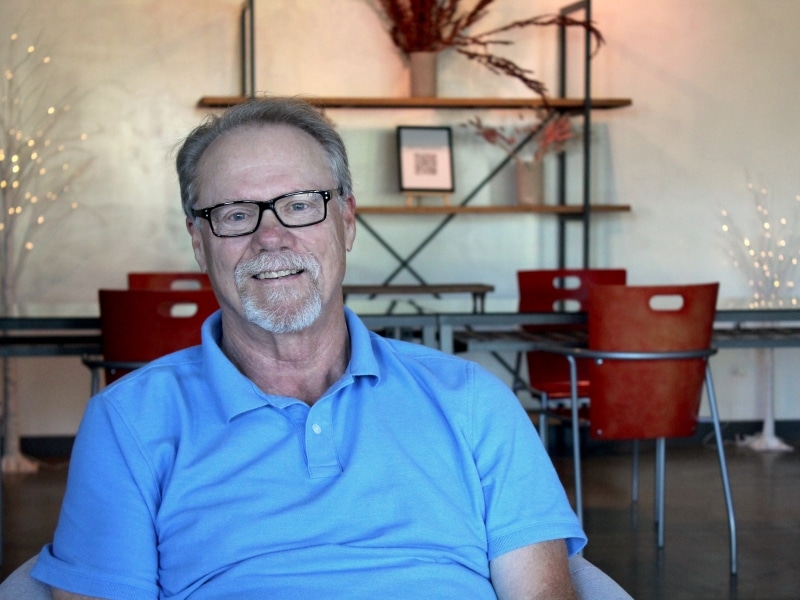
Meet Jack Munns for Redding City Council
There are three council seats on the ballot this November, and nine candidates are running. Munns is a current council member and former police officer.
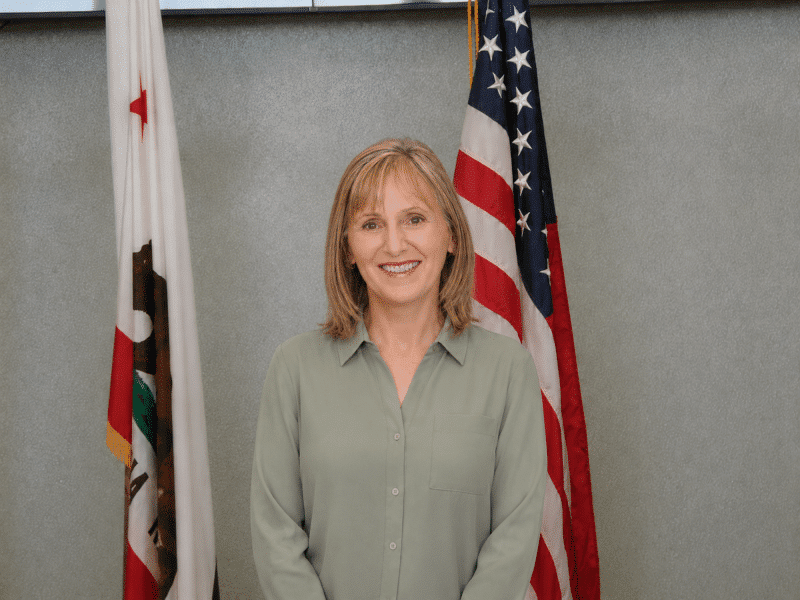
Meet Lisa Barry for Shasta County Office of Education Trustee
Lisa Barry is running for one of seven seats on SCOE. She has a background of service in the Intermountain area including as a community organizer with Burney Friends and Neighbors.

Meet Joana Rebollar for Redding City Council
There are three open seats on the council, and nine candidates are in the running. Rebollar is a tax preparer and accountant who has a primary focus on the city’s finances.
You got a love the back door red flag law that will be slipped into this!! Keep pushing the same thing, just reword it full of love understanding and “progress”
This is exactly what I have been saying. It’s a really slippery slope. First it’s the homeless population and the next thing you know, you find yourself in front of a judge and being sent to “treatment” because you refuse a certain medical intervention. Newsom could give 2 farts about the homeless. This is simply a way to get rid of us pesky independent thinkers at some point. Look what they did to Jordan Peterson in Canada. They tried to force him into the mental health system to keep his license because of his views. This will also be a handy tool in gun confiscation.