
Flock talk fizzles at Anderson council meeting
The council took no action even after Anderson Police Chief Oliver Collins’ acknowledged that the Anderson Police Department had previously granted Flock login access to employees of other agencies, something he described as “wrong.”
Flock cameras were on the Anderson City Council agenda for the second week in a row last night, but with fewer than 20 Anderson residents in attendance, council members took no further action despite law enforcement responses documenting that some residents’ fears were well-founded.
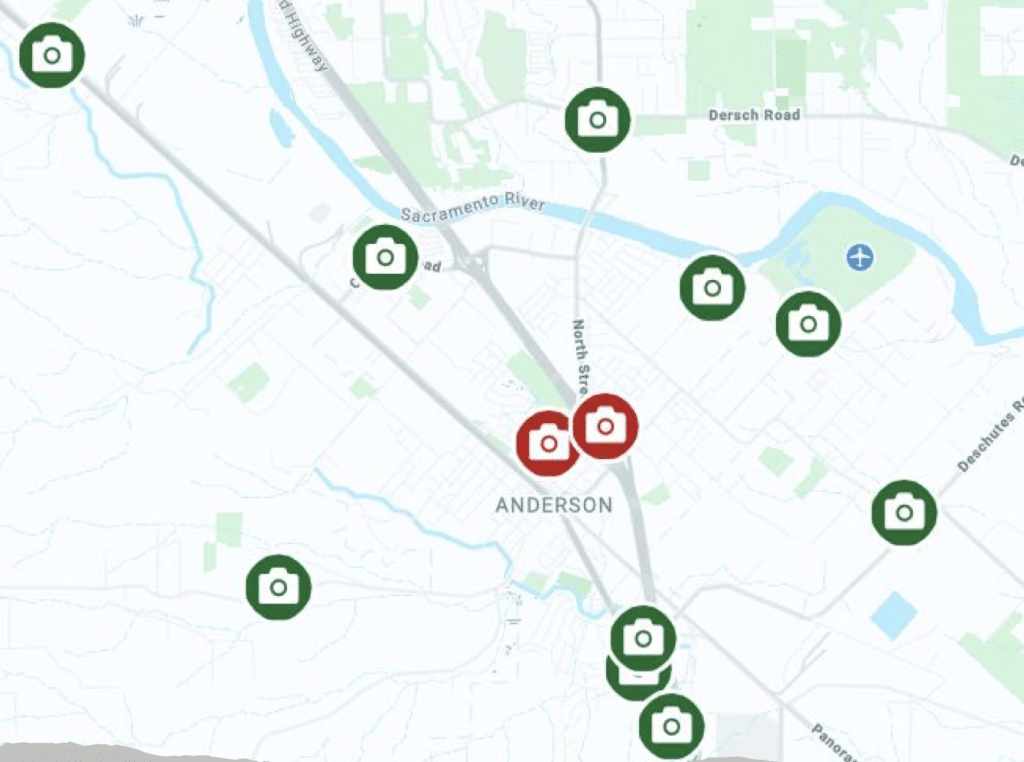
There are 12 Flock cameras spread across Anderson, with each camera costing $3,000 a year, according to City Manager Joey Forseth-Deshais.
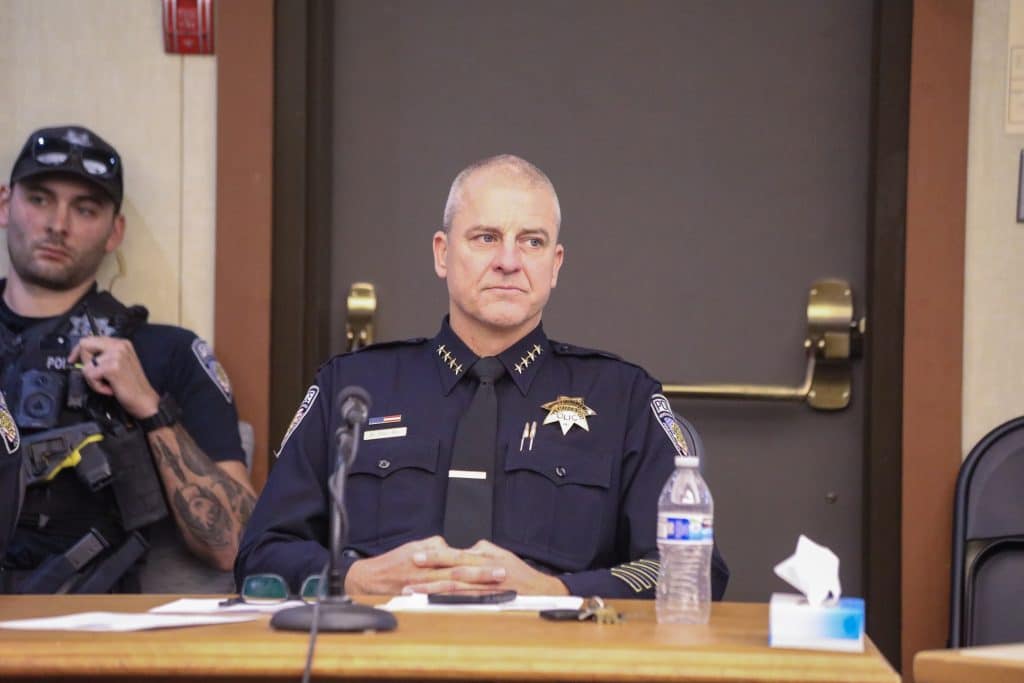
Anderson Police Chief Oliver Collins presented to the council on the cameras, addressing questions submitted by council members during the last public meeting. His answers included an explanation of why the Anderson Police Department uses the technology along with the effect he believes the cameras have on crime.
“My goal is to share the facts, explain the legal and ethical safeguards governing its use, and demonstrate why the technology remains [an] important tool in our efforts to deter crime, solve cases, and keep Anderson safe,” the chief said.
Collins reported that since the 2019 implementation of Flock cameras, which are also known as automated license plate readers or ALPR’s, the number of incidents involving stolen vehicles in Anderson have decreased. More specifically, from 2018 to 2025, he said, vehicle theft has decreased by 79%.
That decrease appears to be more correlation than causation, given other decreases in crime he cited that were highly unlikely to be related to the deployment of Flock cameras across the city, including a decrease in burglary of 97% over the same time period.
Collins did not provide data indicating crime reductions could clearly be attributed to ALPRs, describing the system as an investigative aid, not a crime-solving mechanism. His statement appeared to contradict claims by Anderson Council member Mike Gallagher last meeting when he repeatedly told the community that “ALPRs solve crimes.”
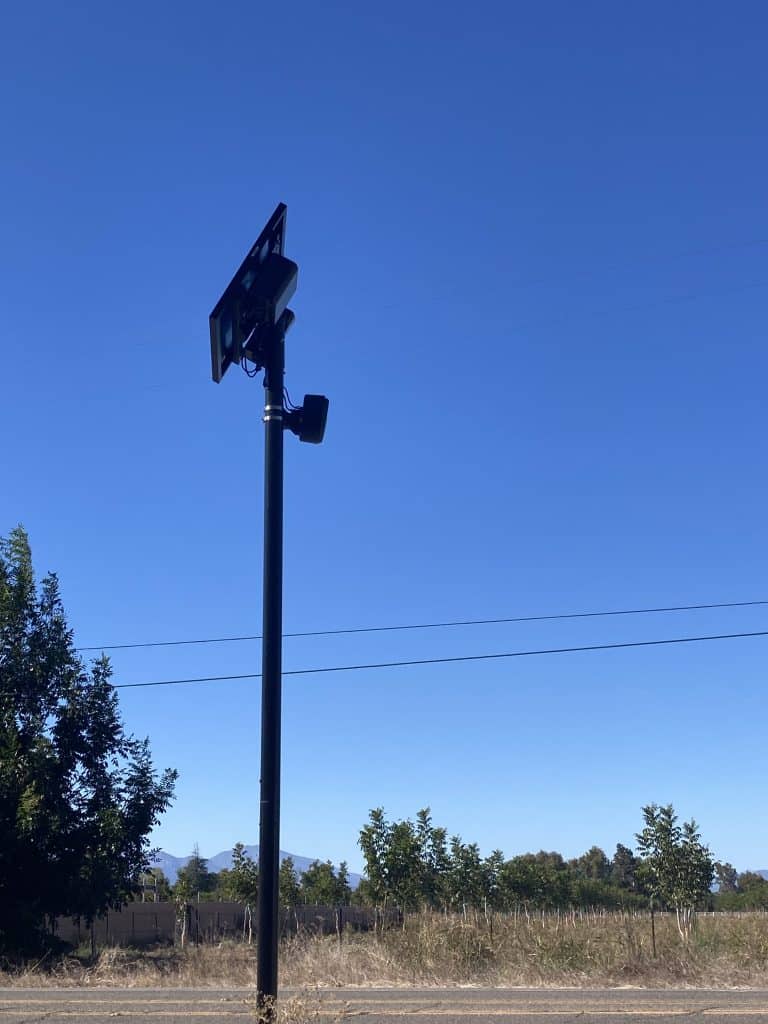
While Collins also claimed that there are no Flock cameras in residential areas, Shasta Scout has documented at least one camera located a mere 25 feet from a residence in Anderson, providing a view of a community member’s driveway in the camera’s periphery.
The chief also admitted during the meeting that Flock camera data had been shared with other agencies and jurisdictions in the past. That was due to user accounts for Anderson’s Flock cameras being set up for individuals outside of the APD including those at the Shasta County District Attorney’s Office, the Shasta County Sheriff’s Office, the Redding Police Department, and the Red Bluff Police Department, Collins said.
“Prior to 2025,” Collins told the council, some “allied agency detectives and investigators were allowed logins to the system. Once that was discovered in 2025, that was, of course, eliminated. But we have our own sword to fall on with that one. We did something wrong, and I don’t know when those users were added to the system.”
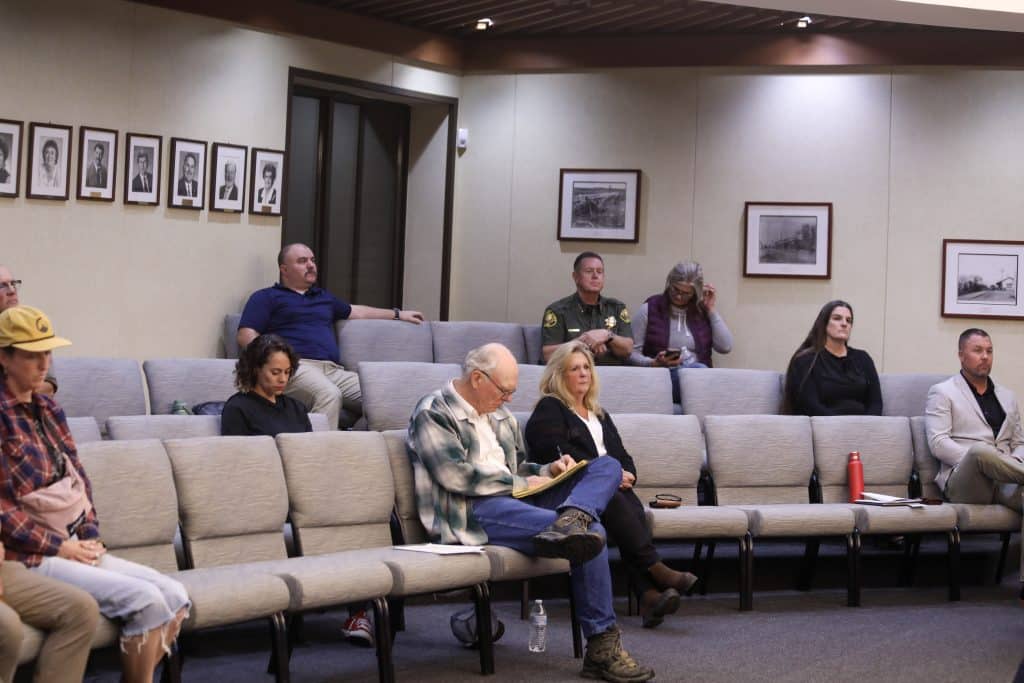
Despite a smaller turnout of residents, public comment persisted with ten people voicing their objections to the cameras in person as others’ comments submitted online were read out loud by the city clerk. Community member Ashley Rudolph said she’s collected hundreds of local signatures petitioning that Flock cameras be removed from public streets.
“In total, I have collected myself 620 signatures in person,” Rudolph said, claiming. “[Anderson residents] just don’t want the cameras.”
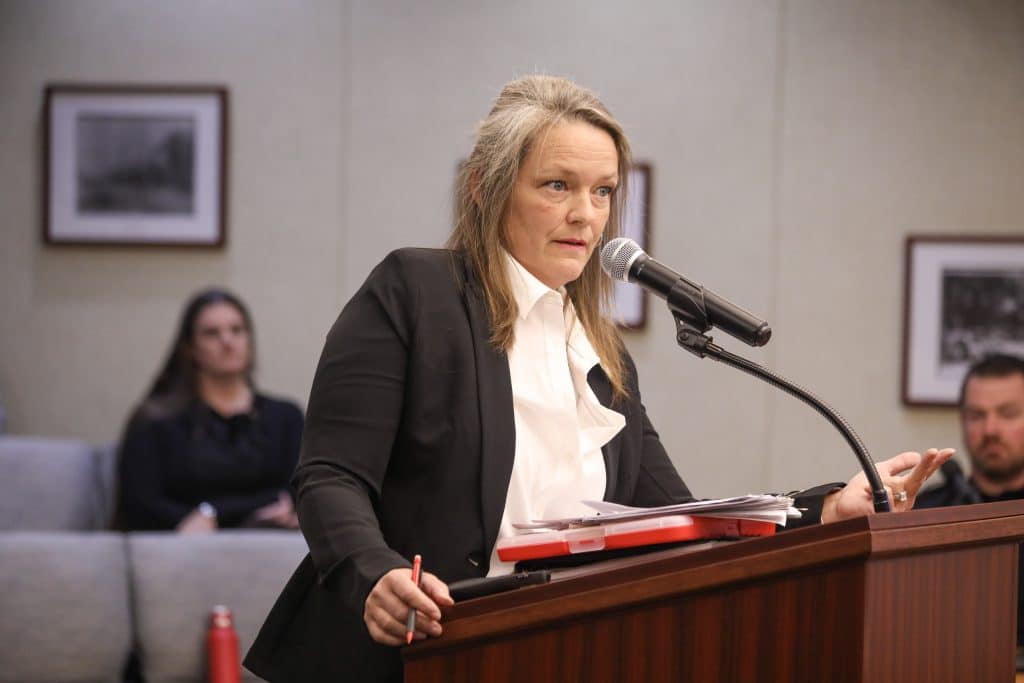
Along with those who objected to the technology, six who spoke or submitted comments expressed their support for the cameras, standing behind the belief that they keep Anderson a safer place.
“The hardworking residents of the city do not have the time or the energy to have an opinion …. on whether their state-issued license plates should be photographed in public,” said Joe Grady, President of the Anderson Police Officers Association, which represents APD officers and advocates for members’ welfare and labor agreements.
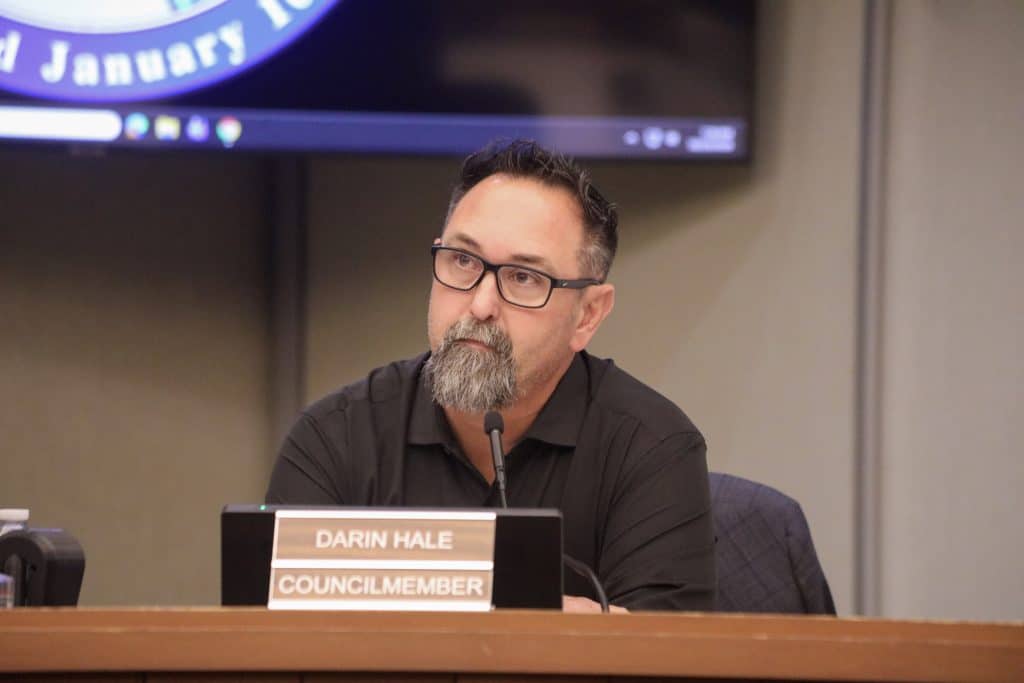
Darin Hale was the only council member to ask questions of Collins after his presentation. Hale also made a motion that the council should continue the conversation and vote on whether to keep or remove Flock cameras in Anderson at the next meeting. With no council member seconding that motion, the topic fizzled.
Gallagher responded by saying he’d need to do more research on the matter while other council members remained silent, providing no explanation for why they would not take up the matter at a future meeting. Their passivity didn’t sit well with Hale who has pushed for months to bring the topic to the council’s attention.
“The amount of the people in Anderson that are against Flock surveillance 100-to-1 outweighs the ones that want to keep it,” Hale claimed. “That’s a no-brainer for me. That’s an absolutely no-brainer.
Have a correction to share? Email us: editor@shastascout.org
Author

Related Articles
Mobile home residents voice concerns at town hall meeting
Residents from mobile home parks met with park owner Harmony Communities on Monday night to discuss rent increases. Supervisors are considering rent stabilization to address the issue.
“No Kings” rally encourages civic engagement but sees a decrease in participation
Around 1,450 people attended the No Kings Get Out The Vote Rally on Oct. 17 in Redding, according to organizers. In March, about 2000 protestors organized.
CalMatters, Shasta Scout host local voter information event ahead of midterm elections
CalMatters’ Dan Hu gave a presentation about statewide races and ballot propositions, as well as general information about CalMatters’ election tools. Shasta Scout’s Annelise Pierce presented about local ballot measures.
Comments (0)
There are no comments on this article.