
Shasta’s Native American History Month celebrations included moments of remembrance for MMIP
Gatherings across Shasta County have included a cultural celebration and a film screening.
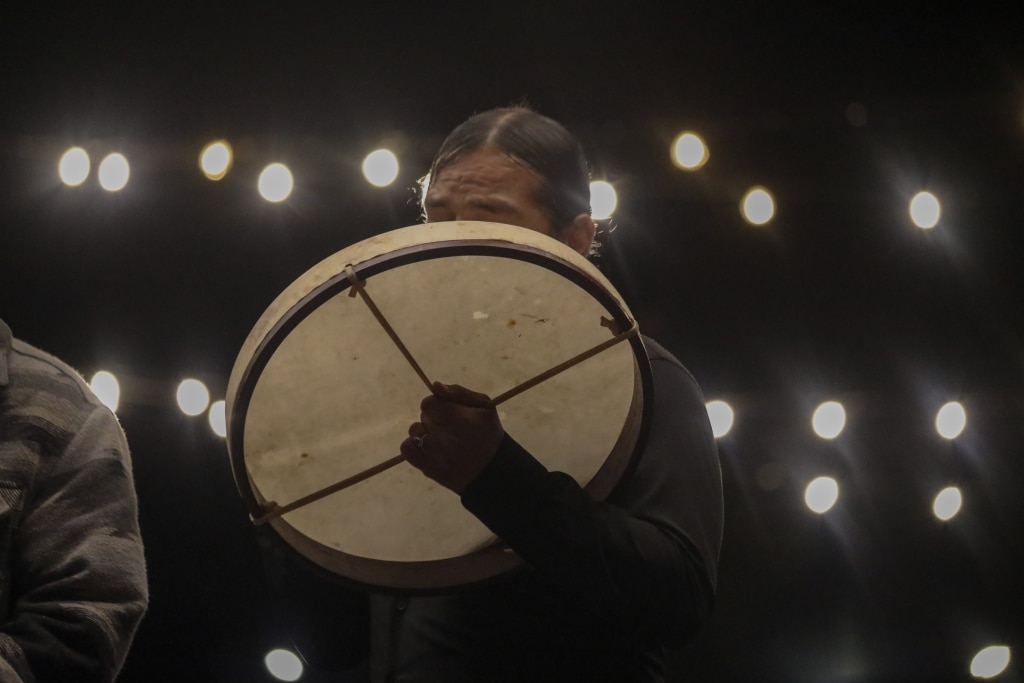
November across the nation is dedicated to Native American History Month. It’s a time to recognize the contributions and achievements of those indigenous to the place we now call the United States of America.
In Shasta County, that conversation includes ongoing activism as part of the Missing and Murdered Indigenous People movement, or MMIP. Two local events this month honored MMIP: a celebration of Native American culture hosted by the Redding Rancheria, Redding Cultural District and the Shasta Historical Society and a screening of “She Cried that Day”, a documentary by Amanda Erickson.
The MMIP movement acknowledges that American Indian and Alaska Native people are at a disproportionate risk of murder and other forms of violence as well as kidnapping. About 85% of Indigenous women have experienced violence in their lifetime, with the murder rate being three times higher than that of non-hispanic white women, according to a 2021 report from the National Congress of American Indians.
While that nationwide data is staggering, it’s probably an undercount of the conditions that actually exist. That’s due to the many barriers to data collection, according to a report from the Urban Indian Health Institute.
There is no verified public total for how many Native people have gone missing specifically in Shasta, although regional MMIP activists have documented at least 105 Native people that have gone missing across the Northern California region between 1900 to 2020.
Today, relationships in the North State between Native people and law enforcement remain strained in part due to delayed responses and limited investigations that have occurred after Indigenous disappearances.
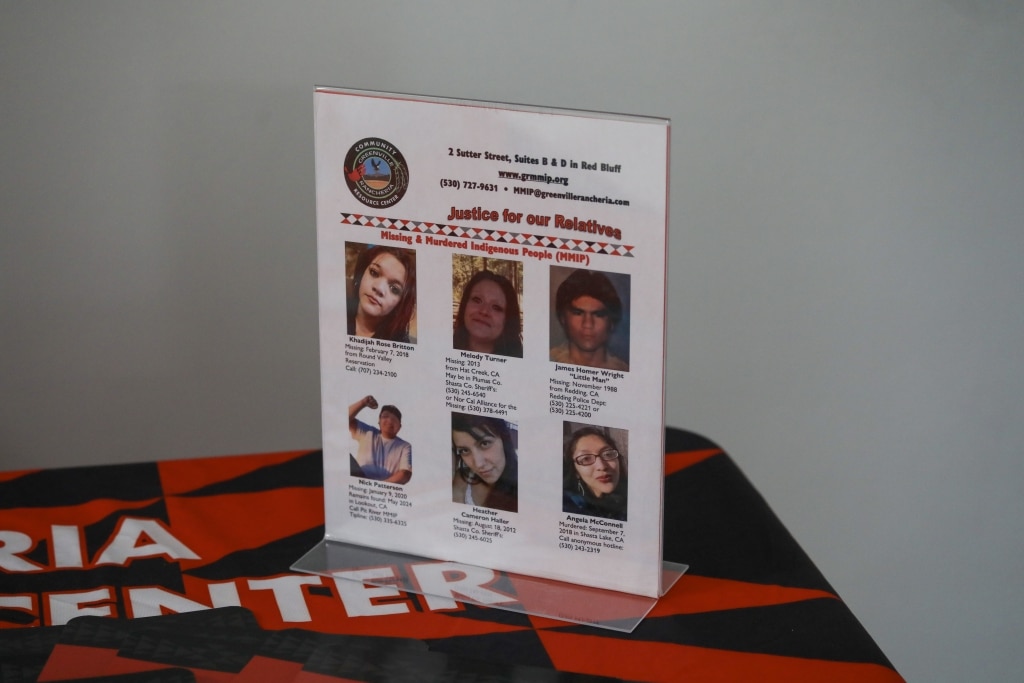
Earlier this year, James ‘Little Man’ Wright, a Pit River Tribal member, was finally able to return home for a dignified burial after almost 40 years. Meanwhile, parts of Pit River member Nick Patterson’s skeleton remain missing, his case still unsolved, despite monumental efforts by his family and Tribe.
A rainy celebration on Market Street
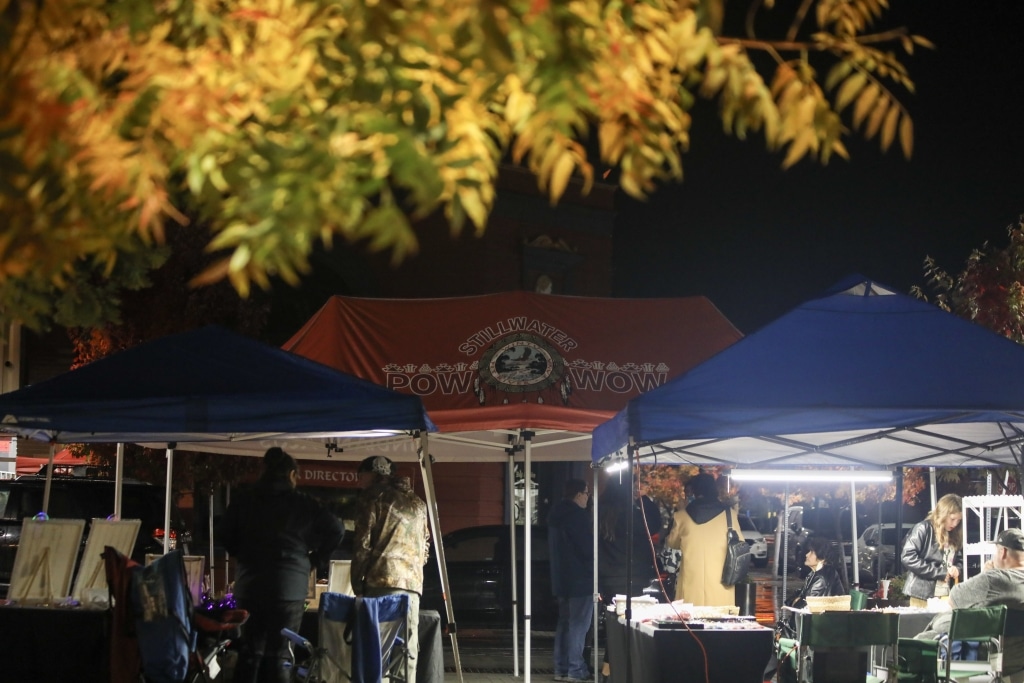
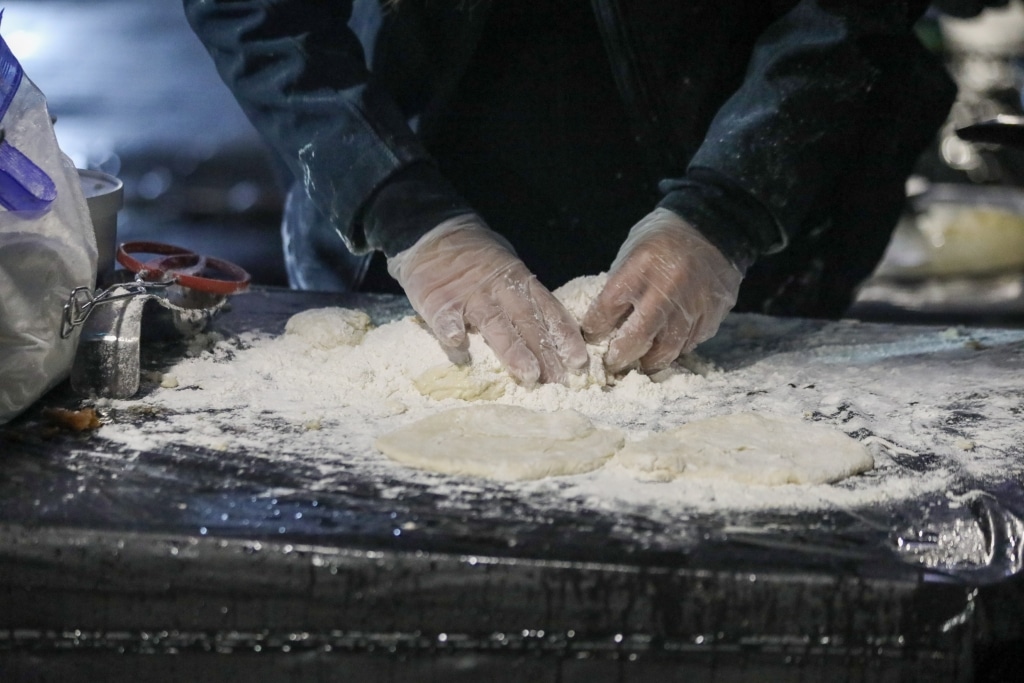
Food, music and artists lined Redding’s Market street on a rainy Friday night earlier this month for a celebration of Native American culture. The gathering centered an acknowledgment of the grief that exists in the community, even during moments of celebration. Alongside the MMIP movement lie other forms of individual and communal grief experienced by local Native people, including infant loss.
Artist and Pit River and Madesi Tribe member Brooke Scheckla spoke to a reporter from her booth at the Native American cultural celebration earlier this month, sharing how beading can be an outlet for her personal experience of loss and grief.
“About two years ago, I lost my daughter and I used beadwork as a way to not only grieve but to connect to other parents who’ve lost their children,” Scheckla said.
Butterfly imagery in her art, she explained, is a way for her to connect with others who have lost their children. She noted that the Pregnancy and Infant Loss Awareness Initiative, or PAIL, uses a butterfly in its logo. It’s a network aimed at providing hope and healing for those grieving miscarriage, stillbirth or infant death.
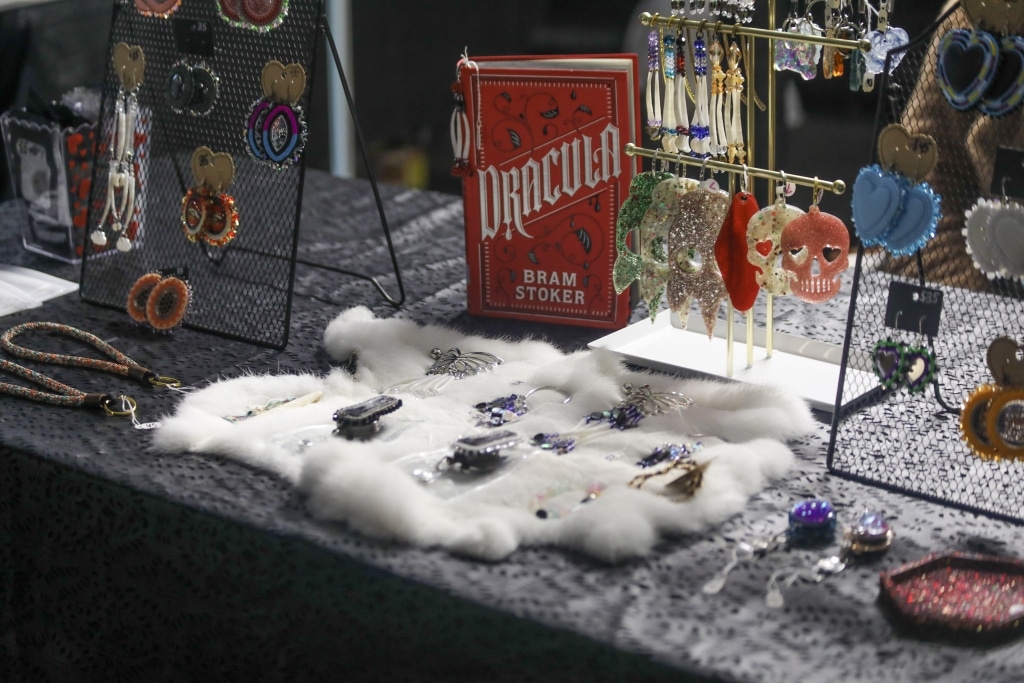
Scheckla said she grew up participating in powwows, Indigenous traditional cultural gatherings with music and dancing. Her regalia had butterflies on it, she said, explaining that she views the winged creatures as a sign of strength and grace — a message she chooses to share through her art.
Explaining why she came to the celebration this month, she said it’s largely about connection.
“This event’s really for healing and to bring people together who might be feeling … lonely or depressed,” she said. “We’re dancing, and singing prayer music, to try and heal whoever needs it.”
‘She Cried that Day’ recognizes efforts of MMIP movement
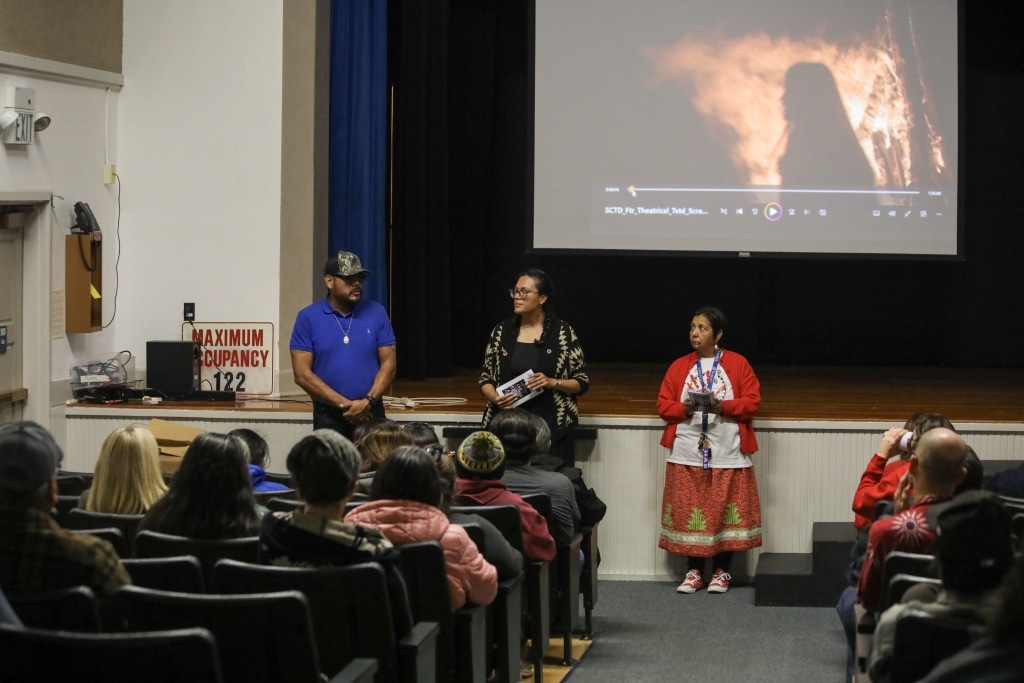
Another event held in Shasta this month featured a free screening of “She Cried that Day,” a documentary that follows the sisters and families of MMIP in New Mexico, many of which continue to dedicate themselves to gain legal recognition for their families’ cases.
Karen Watson, the sister of murdered New Mexico Indigenous woman Dione Thomas, attended the Shasta event and led an open discussion on navigating local accountability.
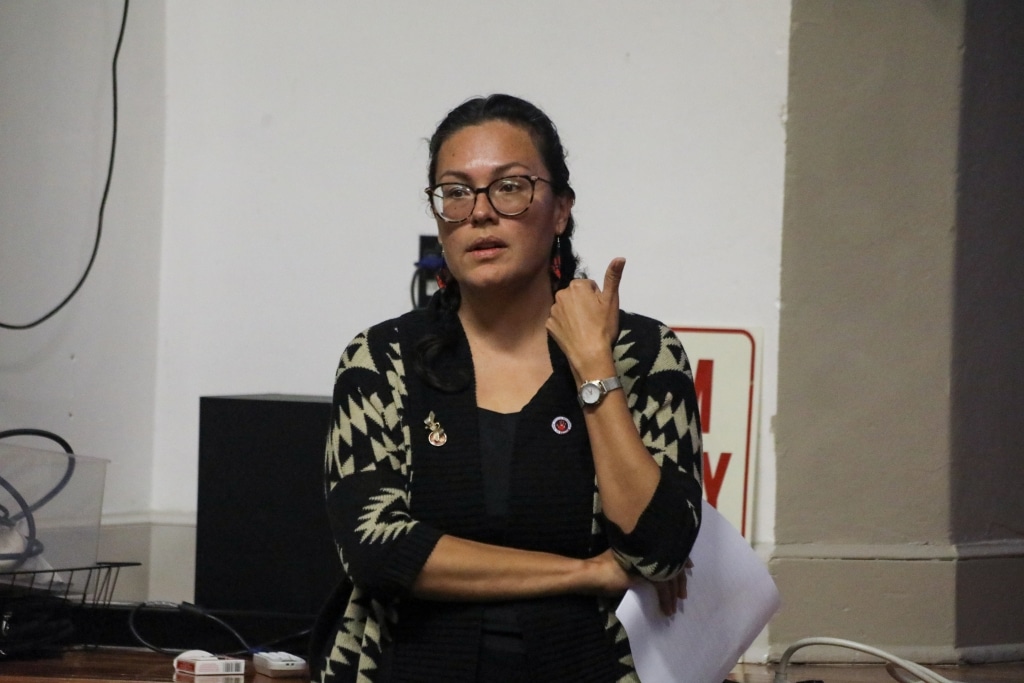
The documentary reveals how her family has navigated the legal system since 2015 as they fought for justice for Thomas. Her family’s efforts continue to focus on how New Mexico’s changes to leadership for the state’s attorney general position poses risks to the state’s MMIW task force and could create serious roadblocks to families’ fighting for justice.
Now with governor-elect Deb Haaland slated to lead the state, advocates in New Mexico are pushing for a dedicated office for Missing and Murdered Indigenous Women and Relatives, or MMIWR, task force.
“We deserve justice and we deserve to be heard just as much as any other population in our state, and so it is our hope that [the governor-elect] will establish an office so we will have a place where families can go for resources,” Watson said.
After the screening, she opened up to questions from the community. From navigating law enforcement and the legal system and to finding available funding for reporting projects, Watson reminded the attendees of her reason to keep MMIP conversations going.
“Our stories are the same,” she said. “Our hurdles and obstacles are the same. But I’ve also found that there are so many people who do want to help and who genuinely care, and so that’s what keeps me going.”
“We can make our communities better, and we can make our families better,” she continued “This is how we do it, by showing up in these spaces for each other and to support each other.”
See more photos of the events below:

Have a correction to share? Email us: editor@shastascout.org
Author

Related Articles

Here’s where to find free Thanksgiving food in Shasta this week
Two organizations will provide hot holiday meals during Thanksgiving week. Food banks will remain open for walk-ins, rounding out options for those in need.
Redding Electric Utility rate hike approved by council
The rate increase passed 4-1 with only Council member Tenessa Audette opposing. Bills will go up by 6% in January 2027 and increase another 6% in January 2028.
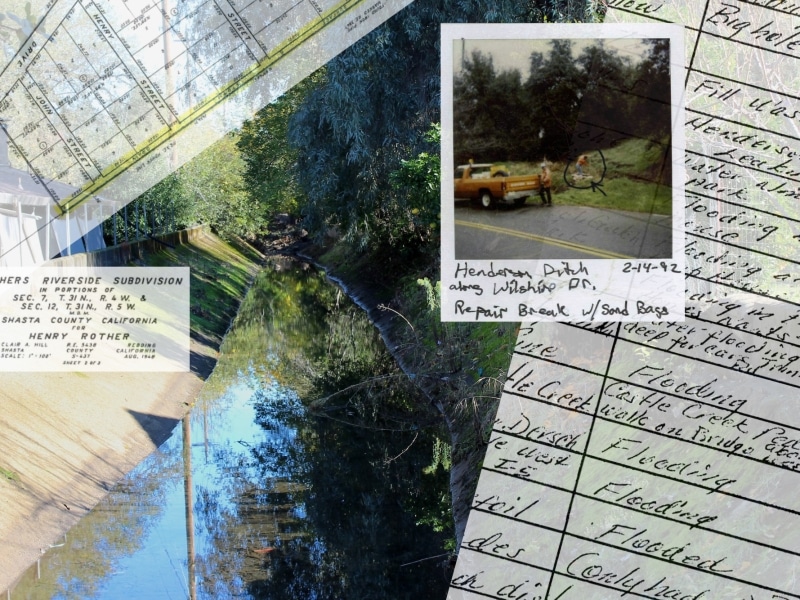
The Henderson Ditch has caused flooding for decades. Why has it been so hard to find a solution?
The ditch overflowed during the December 2025 flooding, causing damage to neighbors’ homes and livelihoods. Community members have worked for nearly a year — some for even longer — to find a solution to prevent future flooding. They continue to worry about past costs, and the potential for future destruction.

Comments (0)
There are no comments on this article.