
Shasta County Staff Vote To Extend Strike
UPEC Local 792 General Unit staff, which include almost half of Shasta County’s employees will extend their two-week strike through next Tuesday, May 16. That’s the same day the Board of Supervisors plans to hold further discussions related to the labor dispute.

The bargaining unit that represents nearly half of the employees of Shasta County’s government will continue to strike, after a new vote by union members last night.
Members of the United Public Employees of California Local 792’s Shasta County General Unit have been striking since May 1.
Their strike was originally scheduled to end May 12. But a newly scheduled closed-session meeting of the Board of Supervisors, which includes a discussion of the UPEC GEN bargaining unit, has changed union members’ plans.
They voted yesterday, May 10, to extend their strike for an additional two days, through May 16th, to coincide with the County Board meeting where union discussions will occur.
Steve Allen, an elected business manager for the seventy UPEC Local 792 units across California, including Shasta County’s General Unit, said the County’s decision to schedule a closed session on UPEC GEN negotiations is an encouraging sign.
“We appreciate this renewed focus on negotiations,” Allen said. “And are ready to resume negotiations if the Board is also willing to do so.”
Shasta County spokesperson David Maung said the Board’s closed session agenda item related to labor negotiations includes updates or discussions on a number of different bargaining units and does not necessarily indicate any special interest in the UPEC negotiation process.
But vounteer Union Steward, Jamie Butcher, said discussions between a union representative and individual supervisors contributed to the decision to place the labor negotiation item on the Board’s closed-session agenda.
During the Tuesday open-session agenda, Supervisors will also consider whether to create an ad hoc committee of Board members who would participate in the ongoing negotiating process. It’s an idea that was suggested by Supervisor Kevin Crye at the Board’s last meeting in response to requests by union members for Board involvement in the process. Four Board members voted to add discussing the formation of the ad hoc committee to Tuesday’s agenda. Supervisor Mary Rickert voted against it.
Butcher says while the union is happy to see the Board members taking an interest in union negotiations, reopening negotiations, rather than creating an ad hoc committee, would be the union’s preferred next step.
Speaking to Shasta Scout by phone today, May 11, Crye said that the purpose of creating an ad hoc committee would be to find alternate paths towards more successful negotiations.
“I feel like what we’ve been doing has led us to where we are, so I think bringing different solutions and ideas to the table is a good idea,” Crye said.
“I think you have to have the viewpoint of what is fiscally possible and what’s good for the County, but also we’re a service organization and we’re serving all of Shasta County, which includes having a role in other people’s lives and livelihoods. I ran because I felt that supervisors didn’t represent me and my neighbors, so its hard for me to hear what the (County staff) are going through.”
The bargaining unit has been in negotiations for a wage increase since September of 2022. The union declared impasse earlier this year, opening the door for the involvement of a state labor mediator. But that effort also failed to result in an agreement, leading the union to strike beginning last week.
Union members say that the approximate 8.5% inflation rate over the last year, combined with steep insurance premium increases, have necessitated a significant wage increase.
During a May 2 County Board meeting, union members filled the room wearing orange and blue shirts and holding signs. Dozens of union members used public comment time to share their perspectives on how inflation and insurance premium increases are impacting their quality of life.
They’re asking for a 15% wage increase this year, which would cost the County’s General Fund about $3 million.
After union members spoke, County Supervisor Patrick Jones reiterated his previous message that he appreciates the County’s workers, but must be fiscally conservative. It’s a stance which has angered some, in light of the Board’s recent high-ticket spending on optional election system changes.
On May 2, a majority of the Board voted to impose a 2.5% wage increase at a cost of around $435,000 to the County’s General Fund. Only Supervisor Mary Rickert voted against the wage increase, saying she’d been convinced by union members that they deserve more.
After the vote Allen clarified that the decision to impose wages did not settle the union’s labor dispute or create a contract and would not end the strike. The upcoming closed-session negotiation is a hopeful sign, he says, but workers still have other options on the table if the meeting next week doesn’t yield results.
“We will settle,” Allen said. “It’s just a matter of when. We want to settle sooner rather than later. But if we can’t, we will be considering a second strike at a later date.”
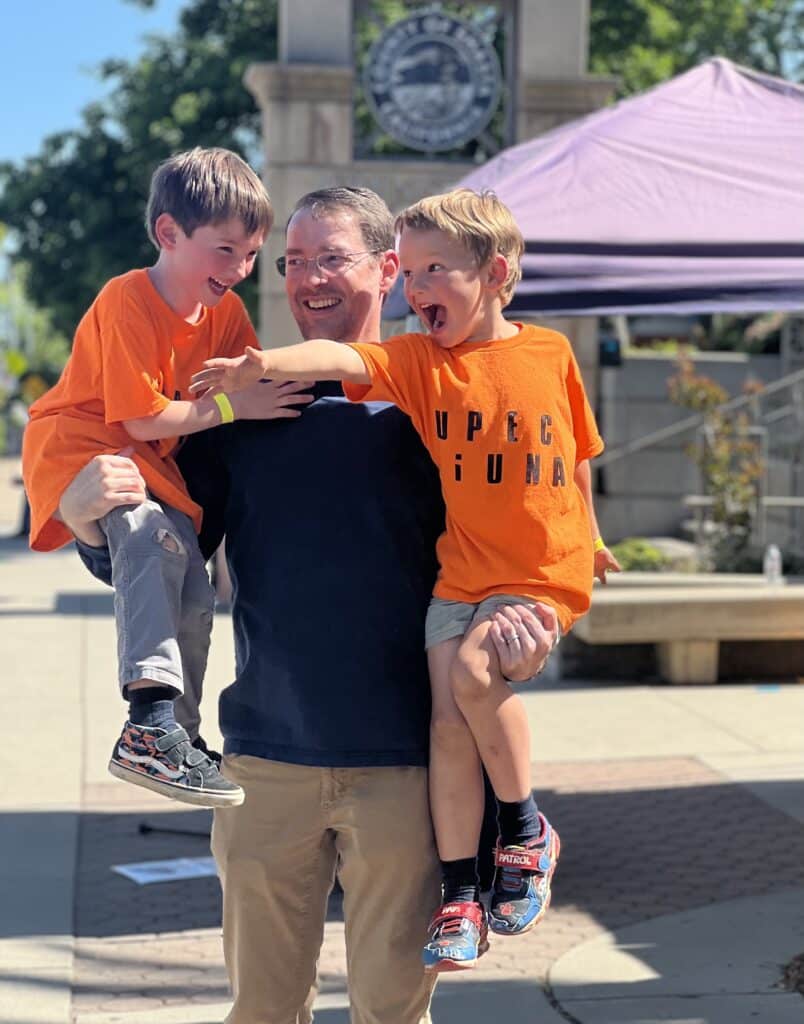
County spokesperson Maung said the County is not tracking how many staff members are striking, since workers are not required to report their involvement.
“Each of the county’s 30+ departments are managing the situation to the best of their ability,” Maung wrote to Shasta Scout, “while reporting to Personnel if there are any interruptions in services or office closures. The County is most concerned right now with making sure that the public maintains access to the services and resources that we provide.”
According to social media posts from the County’s Health and Human Services Agency, since May 1, the strike has contributed to the closure of a number of County offices including those that serve the area’s most vulnerable residents by providing access to state-subsidized aid like CalWORKS, CalFRESH, and Women, Infants and Children’s Services (WIC).
While visible numbers of County workers at the picket line on Court Street have fluctuated over recent days, Union Steward Butcher said visible demonstrators are not a true indication of how many workers may be striking.
It’s clear, he said, from the number of Health and Human Services Agency announcements about office closures during the strike that the simple act of staff not showing up to work has had a significant effect on the County’s operations.
“There are strikers duly participating,” Butcher said. “And there are certainly enough participating to disrupt services and affect County operations.”
If you have a correction to this story you can submit it here. Have information to share? Email us: editor@shastascout.org
Author

Related Articles
Shasta County must hold off on placing voter ID measure on ballots, judge says
The decision came in response to a petition filed earlier this month by an anonymous plaintiff. If approved by voters in June, the ballot measure would amend local law to allow for changes to elections, including hand counting and voter ID.

Riverside’s Sheriff is investigating alleged election ‘irregularities.’ Shasta’s election official was the one to break the news
Shasta ROV Clint Curtis told county supervisors during Tuesday’s public board meeting that the Riverside department was “confiscating all of the records in Riverside.” Riverside officials have confirmed the news of an investigation.

Supervisor Kevin Crye hospitalized due to ‘cardiac episode’
A statement posted on Facebook today said he’s been given an “excellent prognosis” for recovery. He’s also being treated for colon cancer.