
Meet Erin Resner for Shasta’s District 1 supervisor
There are three candidates running for Shasta County’s District 1 board seat. Erin Resner says she’s running to give the public an alternative to current Supervisor Kevin Crye.
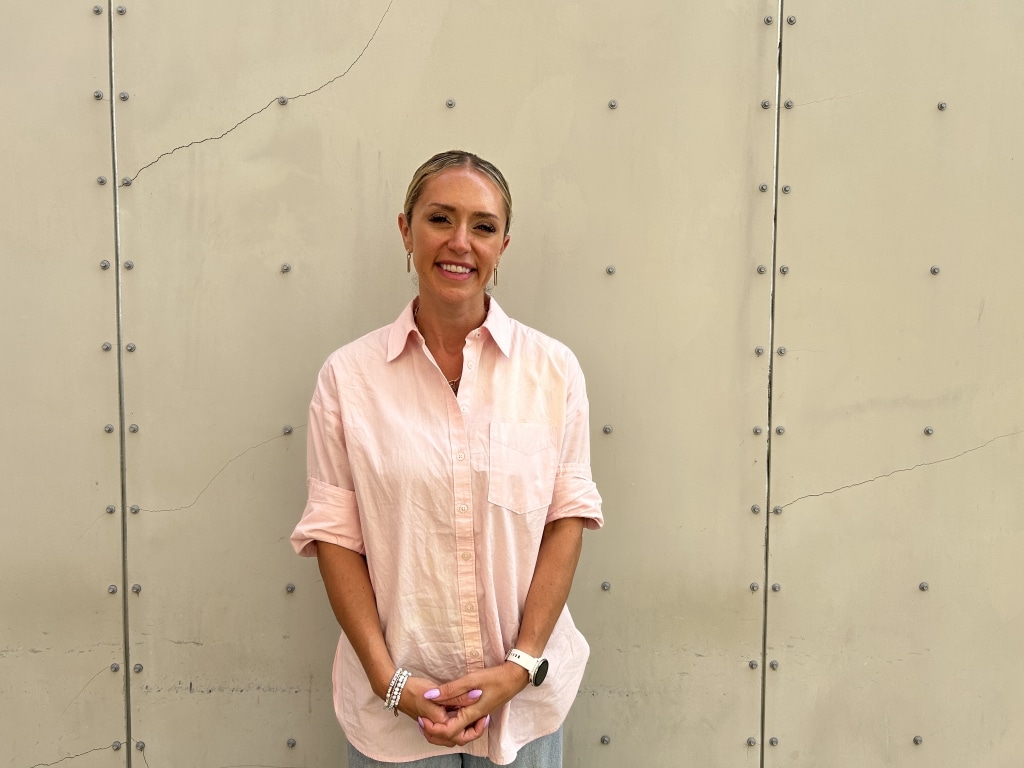
Editorial Note: This story is part of Shasta Scout’s citizen-powered election coverage. Our election reporting flips the script by asking candidates to answer questions from the community. We’re conducting long-form, in-person interviews that last about an hour each and utilize questions drawn from a reader survey. Candidate responses have been curated and paraphrased for this format.
Tell us briefly about yourself. What’s your current role? What background experiences or concerns led you to run for supervisor?
I currently serve on the Redding City Council. I’m finishing a partial term that became open after the resignation of former Council member Michael Dacquisto. The term I will complete this year ran from 2024 to 2026, and I also previously served on the council from 2018 to 2022.
I’m a local business owner, and I also have a lot of nonprofit experience, mostly in work that surrounds children, youth and families. I spent over a decade as a CASA or Court Appointed Special Advocate which was one of my first introductions into county administration and the kinds of services that are offered. That was more than 15 years ago, and many of the same concerns and issues I saw early on are ones that we are still attempting to tackle. Lots of systems related to social services need reform.
I decided to run for county supervisor after former candidate Kurt Swanson pulled out of the race late last year. I wanted to give the public an alternative to current Supervisor Kevin Crye. I think a lot of people choose to do something other than run for office to protect their peace, due to the nastiness of Shasta County politics. But this role really is a public service and we need to be serving our community to the best of our abilities.
The role of supervisor involves a public decision-making process that begins with agenda packets followed by a public discussion and vote. How would you increase transparency and accountability in that process? How would you reduce conflict on the board and with the public?
We should start with the posture that everyone has good intentions and that we’re all here to serve the community. If we do a good job of listening, we will be able to hear what each other’s goals and viewpoints are. And then we can respond in a way that either collaborates immediately or poses a different possibility to find some area of common ground as an act of mutual respect. We should be making decisions that are best for our community, not the ones that are best for ourselves. And we should avoid personal attacks. Ultimately, I think good governance looks like showing up as the adult in the room. That respect bleeds out into the community and sets the standard of how we’re going to interact. I have seen and experienced that when relationships on the board — and between the board and the public — are respectful and professional, it diffuses tensions before they become an issue.
When you ask about transparency, that looks like asking really good questions during board discussions and also making sure that all of the documents that the public might want to access are easily accessible. When the board is meeting we should also ensure that the presentations given by staff are at a level where anyone who comes in can understand what’s at stake and what decision the board is making. We need to hear from the public so we need to make it easy for them to understand and participate in what’s happening.
I also think it’s very important that when anyone puts in a California Public Records Act request that they get exactly what they asked for as soon as possible. None of us should have anything to hide. The public should be able to see the documents that help them understand why a decision was made, especially if we haven’t done the best job of communicating. They should be able to do their own research to find how they feel about an issue.
What is a supervisor’s role in implementing solutions to reduce homelessness, and how will you work to do so?
Not every scenario of homelessness is the same, and that makes homelessness a dynamic topic. I support programs that are collaborative, like the Crisis Intervention Response Team or CIRT run by the Redding Police Department. We saw so much progress in the first six months when we had plain-clothed officers going out with a mental health clinician. We were able to really focus on some of the most vulnerable — often because they were the ones creating a lot of calls for service — and really focus on them. When we work to identify the highest need, and then we laser focus on that need, we can leverage our resources. We also need to coordinate amongst programs, between nonprofits and direct county services to help people, which will also reduce their negative impact on the community.
I really love some of the initiatives and the work that Supervisor Matt Plummer has been doing, specifically around veterans and homelessness and mental health. His approach is based on focusing on a specific group and getting really good at meeting the needs of those in that group until we begin to see patterns and find places in the system where we can make changes. When you can find solutions for the most hard-to-reach people, then you can find ways to impact many more who aren’t as much in need yet.
Shasta County was collaborating with us on CIRT, but the county never added the additional mental health provider for our second CIRT team, which is why we put those officers back on patrol. Without a mental health clinician, there is only so much you can do. The county also never provided a sheriff’s deputy for the CIRT program. If the teams were fully resourced, I think the teams could have a significant impact
How about when it comes to solutions for mental health care needs in Shasta. How would you summarize those needs, and how would you use your position as a county board member to address them?
Our mental health needs are unmet. I regularly talk to average families who are desperate for resources. Everybody knows someone who is impacted or who has a family member who’s struggling with mental health, but accessing mental health resources is very hard. Similarly to cancer, mental illness doesn’t care what socioeconomic status you are, or what race you are, or what religion you are. Mental health challenges truly do not discriminate.
There is funding to improve mental health services. But rural communities are at a disadvantage because we historically do not have the systems and structures in place to successfully obtain state dollars. As a supervisor, I would see my role as being an advocate at the state level for the kinds of pilot projects and funding sources that are needed. Supervisors also need to be advocates for collaboration amongst rural counties, especially the northern rural communities, which have a really hard time accessing dollars because of our limited staffing levels. Working with other North State counties on pitches is an approach that will allow us to catch the eye of the state to say, “Hey, this is what’s happening up North, and this is one of our ideas of how to fix that.”
The current chaos in Shasta County is negatively impacting our ability to be impactful at the state level. Supervisors in surrounding counties understand that Shasta has one of the largest populations in the North State, which means they need our voice, they need us at the table as collaborators. Some have contacted me about what happened at the Rural County Representatives of California, where they implemented a new code of conduct because of multiple incidents involving my opponent. These supervisors want to work with us. And I’m really excited to be getting their calls. Collaboration looks like being someone who’s leading the conversations, reaching out and establishing working relationships.
One of the issues is that rural areas don’t have a large enough population for specialist healthcare services, including those related to mental health. That’s anothe reason why collaboration is important. When we gather a group of rural counties together to collaborate, we begin to have numbers that are more significant in terms of a regional service area.
Can you explain the county’s current financial state? How would you work to stabilize county finances? Where would you choose to invest the limited capital funds that are available for projects?
The county’s own financial assessment, in the 2025/2026 budget, outlines that the county’s finances are not sustainable. A cliff is imminent — that’s where county finances are. It’s a dire situation. Shasta County’s Health and Human Services Agency is having significant financial problems, and there are currently there are no clear plans to address that. Something else the county is not clearly addressing yet is H.R. 1, the Big Beautiful Bill, which is going to greatly impact the county budget and the services that are able to be offered.
When you look at the finances of the city as compared to the county, the city has been stating publicly since January 2025 that revenue is not coming in as projected, meaning our outlook for the general fund is not great, and hard choices are going to have to be made. The big difference between city and county finances right now is that the city has been much more forthright with the community about what the state of finances looks like and what we see coming in the future. And that’s our job.
When it comes to how to spend limited capital funds as a county, our priority must be to offer the services that we are required by law to provide: public safety and social services. The money that has been set aside for capital projects in the past should be used for what we told the public we would use it for, which in this case was incarceration. Our word matters.
When it comes to the medical school, I don’t think we should be giving funds from our reserves to a private entity like Simpson University. That doesn’t mean I don’t think a medical school is a great idea. I just don’t believe that public funds, especially $10 million in public funds, should be given to a private religious institution.
What would you say to community members expressing concerns about how current board members have impacted Shasta County finances? Specific questions we’ve heard relate to the lawsuit over the Redding Rancheria contract, getting rid of impact fees and providing themselves with raises.
It’s a real example that the board majority is juvenile in their business decisions. Just a few weeks ago, the board’s decision not to censure election official Clint Curtis put the county in a very serious liability situation. You’re likely to see lawsuits related to a hostile workplace or workplace violence. The board majority’s public conduct communicated not only that they don’t care about victims, but also that they lack knowledge about how serious a liability they are creating with their words and actions.
The lawsuit over the county’s contract with the Tribe has now cost the county almost a million dollars. The county has also been sued by former Sheriff Eric Magrini related to that contract. If you look through the Magrini court documents, you’ll see that supervisors left millions of dollars on the table when they negotiated that contract because they’re clearly not capable of doing it in a business-savvy way. We also saw this in the Kropholler case, which they settled so quickly, and which cost the county significantly.
The decision to end impact fees was very shortsighted. Those impact fees exist so that we can take care of infrastructure as development occurs, and they’re supposed to be placed on those who stands to benefit from the development. What happens when we don’t impose impact fees is that later on the taxpayers are forced to foot that bill when infrastructure projects become necessary.
In my opinion it feels like the board majority has actually been making a lot of political decisions rather than wise financial decisions. One of the things I noticed from reading through the Magrini case is that there were millions of dollars that the Tribe had already said they were willing to pay before the board majority, specifically Kevin Crye, took that off the table. Those dollars would have helped county finances and helped sustain departments that we desperately need to be fully resourced. When the board was making that decision, we saw the fire chief, the sheriff, the DA, all these professionals saying this is a bad contract and it’s going to negatively impact us, and the board majority chose to do it anyway.
What do you see as the most pressing issue for Shasta County right now?
Our most pressing concern is the budget, which is why I want to hire an efficiency firm to come in and audit every department so that we have data to make decisions on what we need to fund. I want to take that data and use it to ensure we properly fund all of the entities within the criminal justice system, including the sheriff’s office, the district attorney’s office and the public defenders office, so that we don’t continue to have bottlenecks and revolving doors.
And after that I really want to collaborate with other rural North State counties so that we can garner some of those state dollars to impact mental health.
Do you have a correction to share? Email us: editor@shastascout.org.
Author

Comments (11)
Comments are closed.
Related Articles
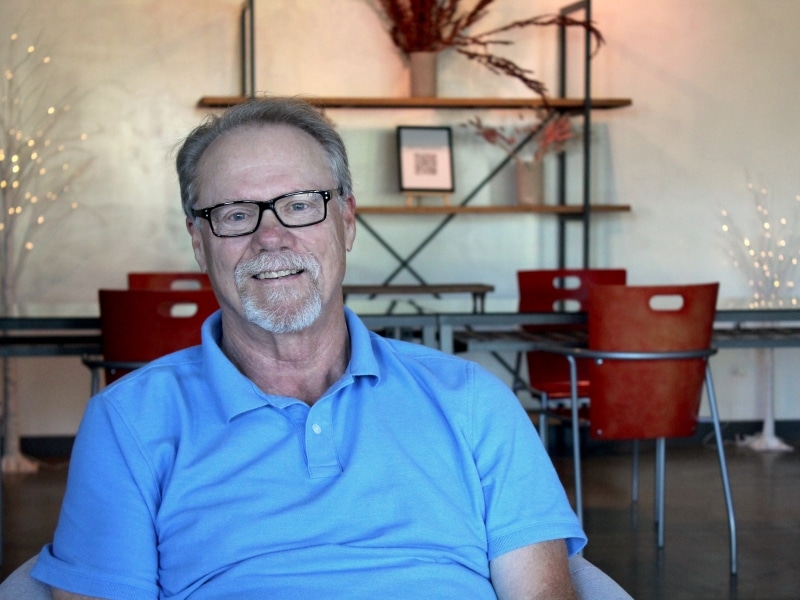
Meet Jack Munns for Redding City Council
There are three council seats on the ballot this November, and nine candidates are running. Munns is a current council member and former police officer.
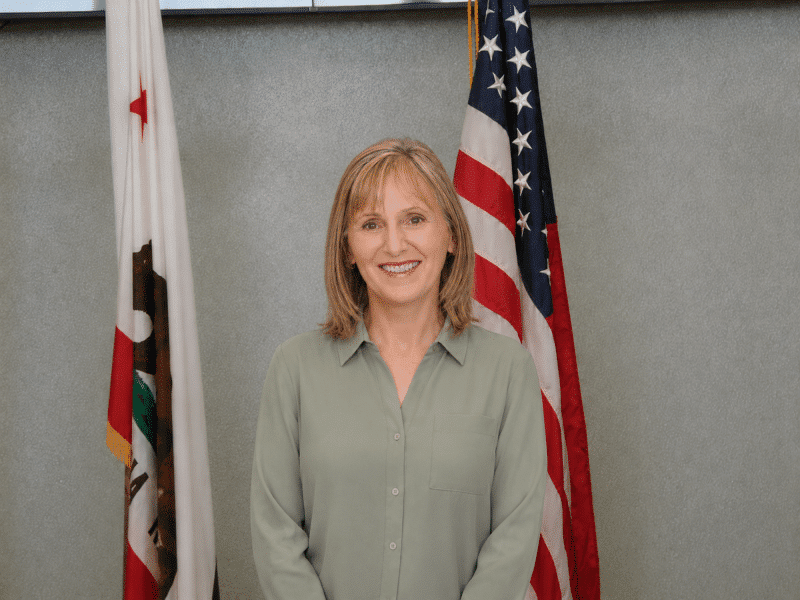
Meet Lisa Barry for Shasta County Office of Education Trustee
Lisa Barry is running for one of seven seats on SCOE. She has a background of service in the Intermountain area including as a community organizer with Burney Friends and Neighbors.
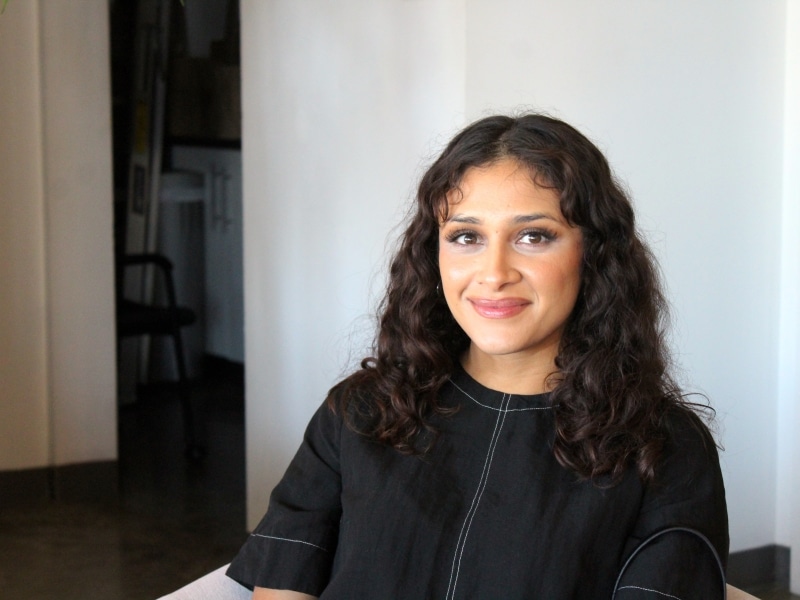
Meet Joana Rebollar for Redding City Council
There are three open seats on the council, and nine candidates are in the running. Rebollar is a tax preparer and accountant who has a primary focus on the city’s finances.
I started this article predisposed to not like what I saw. I finished the article impressed. She didn’t pull any punches and is articulate; is generous and gives credit where she sees it; is deeply concerned about county finances and has a plan to start repairing them. She has done her homework.
What a contrast to the “because I said so”, “oGodoGodoGod don’t let anyone look behind the curtain” incumbent.
You know, Erin just makes common sense. As evidenced today at the BOS Meeting, and really for the last 4 years, Crye is a broken record of extremist blow-hard blather, blather, blather who, along with his buddies, Patric Jones, Clint Curtis, Chris Kelstorm, Laura Hobbs, and all their conspiracy-based supporters, have driven Shasta Coiunty into chaos, embarrassment, and have created an economic soon to hit tsunami that is really going to hurt, if not bankrupt Shasat County.
.
Please…. It’s far time, we have governance that is simple, Safe and Sane FOR A CHANGE!
This is the first time I’ve contributed to a campaign outside my district. Erin makes a good case above for electing her to the Board of Supervisors. But to be honest, I’d screw a syphilitic porcupine before I’d vote for Crye.
What a breath of fresh air! She confirms what I have heard, Crye and Kelstrom are both gaslighting their constituents about the state of the county’s finances. During campaign forums they both boast about what a great job they’ve done managing nearly $700 million budget. They are fortunate county budget hearings don’t take place until shortly after the election. We need to get rid of Crye, Kelstrom and Curtis, and send Measure B to the dustbin of Shasta County history.
“I spent over a decade as a CASA or Court Appointed Special Advocate which was one of my first introductions into county administration and the kinds of services that are offered. That was more than 15 years ago, and many of the same concerns and issues I saw early on are ones that we are still attempting to tackle. ”
WOW—she doesn’t sound like a problem solver!
“which have a really hard time accessing dollars because of our limited staffing levels.”—tells me she is for bigger government to solve our problems.
“The county’s own financial assessment, in the 2025/2026 budget, outlines that the county’s finances are not sustainable. A cliff is imminent” PRICELESS
“there were millions of dollars that the Tribe had already said they were willing to pay before the board majority, specifically Kevin Crye, took that off the table.” Retroactively I assume
“Our most pressing concern is the budget, which is why I want to hire an efficiency firm to come in and audit every department so that we have data to make decisions on what we need to fund.” Yes, Yes, more studies, that’s the answer
RF, do you really believe anyone listens to a word you say?
What I really like is all the solutions that you have provided for these issues, Nick.
…
LMAO
.
Oh, never mind. It was Erin who had some solutions. You didn’t offer a single one. You just like to complain.
You have no idea what a CASA volunteer does, do you?
I believe Erin is the only choice for district 1. I hope voter are not dissuaded by the handful of paid provocateurs that Crye sends to battle in the comments. They are only a loud minority.
Wow! Really like this gal! She is one smart cookie.
I do have a question for her:
Have you had contact with our current state assembly rep Heather Hadwick? If so, what is she like to deal with? IOW, do you think the county will be able to work with her to get some of the funds and services we need?
She really is! She’s a target for the mean girls gang and the he man women hater’s club but she’s bright, caring, will listen to everyone and will suspend judgment before the public has a chance to weigh in. Opposite of her opponent who has his mind made up beforehand and his replies seemingly pre rehearsed.