Indigenous Affairs

Tribal Picnic at Shasta Dam Triggered Federal Security Response

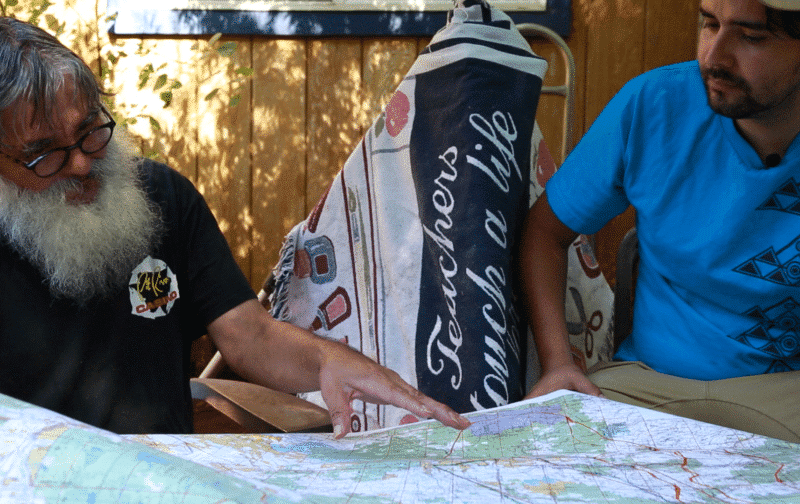
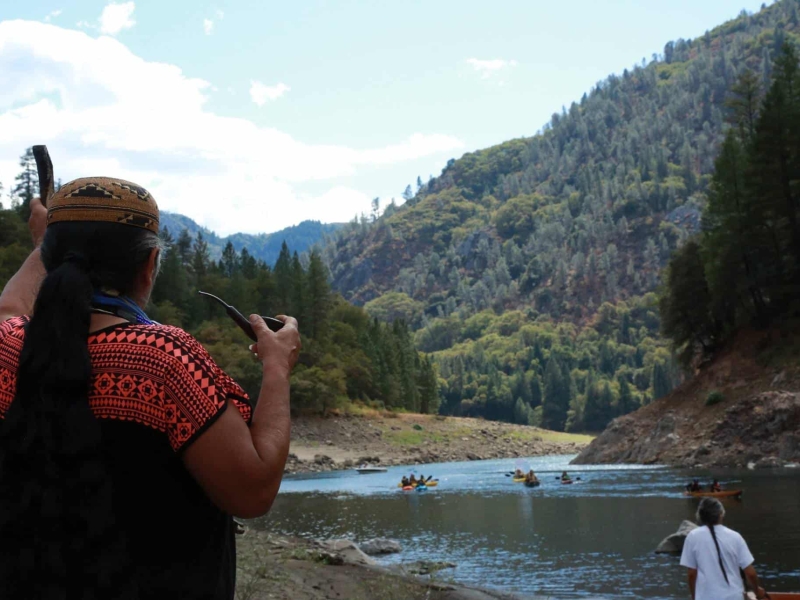
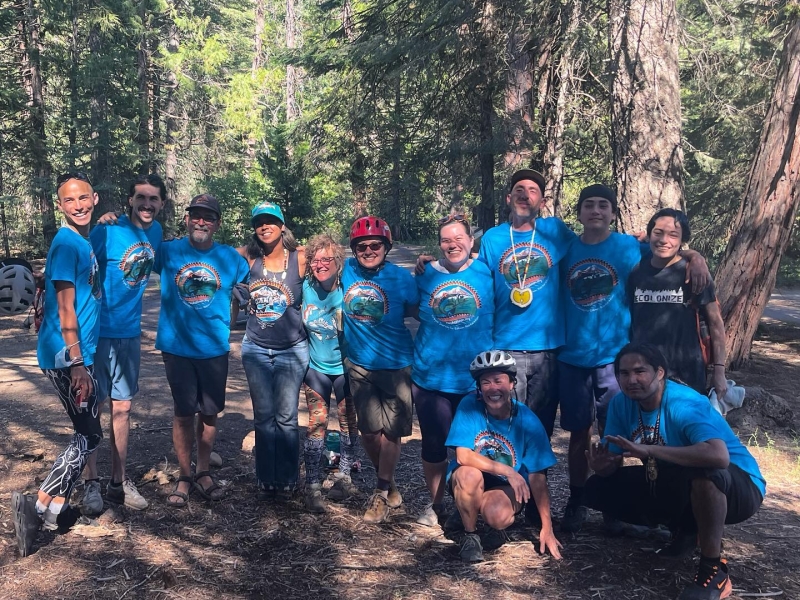
In July, Run4Salmon participants say they were discriminated against by Dam staff who closed the visitor center and activated increased security protocols in response to their presence. A federal official who manages the Dam said security's actions were necessary because the group had previously caused a disruption by demonstrating on site. The incident is the latest chapter in ongoing tension between the Tribe and federal officials over the erasure of Tribal history from Dam visitor center narratives.
Latest in Indigenous Affairs
Redding Rancheria’s Third Annual Big Time Restores a Healing Cultural Practice For Locals

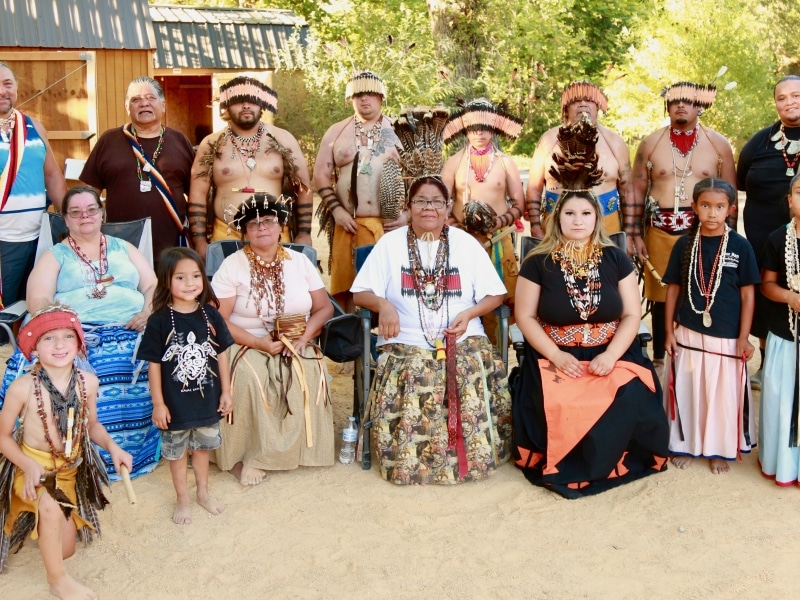
More than 1500 people attended the Redding Rancheria’s recent Big Time which provided an opportunity for local Native and non-Native community members to socialize and experience traditional dances. For thousands of years, Big Time gatherings have been essential to cement relations among tribal neighbors as well as to pray for harmony and healing. But Big Times have long been absent locally due to Shasta County’s history of violent persecution of Indigenous cultures.

“We’re Praying That They Remember These Waters”: Supported By Tribal Ceremony, Salmon Eggs Return To The McCloud River After 80 Year Absence

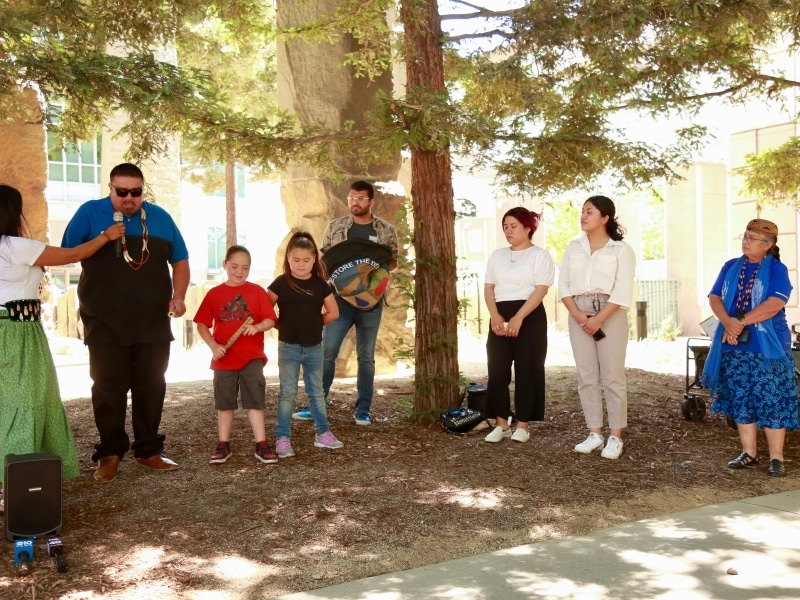
On July 11 the Winnemem Wintu Tribe danced, sang and prayed for 20,000 endangered salmon eggs as they were returned to the McCloud River. The action is part of new collaboration with government agencies and represented a watershed moment for the Tribe. Hot Sacramento River temperatures threaten winter-run Chinook, but government scientists hope acclimating the eggs to the glacial waters of the McCloud River, their ancestral home, will help them survive.

“Wayken Pana El Pom” – New Downtown Wintu Mural  Declares ‘Everyone Is Welcome in Redding’

The newly unveiled Wintu Mural on the Cascade Theatre represents a watershed moment for Wintu and Indigenous people’s representation in what is now known as Redding. Conceptually designed by two local Wintu artists, the mural is the culmination of years of advocacy by a collective of Native activists and supporters.

The Pit River Tribe’s History of Daring Activism Will Be Brought To Life in Locally-Produced Documentary

With a focus on promoting community-wide healing, Sky Scholfield, a Shasta College graduate and tribal member, is shooting a documentary about the Pit River Tribe, whose ancestral lands span eastern Shasta and Modoc Counties. The film will explore the Pit River people’s occupations of PGE and national forest lands during the 60s and 70s and as well as their contemporary efforts to reclaim lands and cultural practices.

Decolonizing California’s Wildfire Zone

Today, in an agreement with the city of Chico, the Mechoopda tribe manages Verbena Fields. It’s an emerging model of what decolonizing land can look like, supported by partnerships between Native and non-Native communities.

Superintendent of Schools Candidate Bryan Caples Comments About Native Students Are Dangerous, Parents Say

Caples is running for the position against the incumbent, Judy Flores. During a recent political forum Caples insinuated that Native students are dangerous and suggested placing them in more restrictive educational settings based on their race. Native parents and educators say they fear Caples, if elected, could make public schools more hostile environments for their youth.

Environmental Advocates, Including Local Tribe, Say Protecting Bay-Delta Water Quality Is A Matter of Justice

The Winnemem Wintu Tribe are part of a larger coalition that's petitioning California to correct water management plans they say harm the Pacific coast’s largest estuary and its surrounding communities. They connect today's disastrous conditions in the Delta to California’s legacy of discriminatory and anti-Indigenous water policies.

Some Wintu People Call For “Land Back” During Riverfront Meetings. Here’s Why.

The land we now know as Redding has been a part of Wintu people’s vast homelands for thousands of years. Today, after surviving state-sponsored massacres, violent removals, and discriminatory legal doctrines, Wintu tribes remain almost entirely landless. For some Wintu people, the proposed sale of riverfront land is inseparable from the need to reckon with this often-suppressed history.

Local Tribe Uses Legal Brief To Argue For More Just and Equitable Water Stewardship

The brief has been submitted as part of an appeal in a case that addresses California’s entrenched water rights system, which prioritizes those who claimed water first, sometimes at the expense of those who need it most. The Winnemem Wintu Tribe argue the current system harms not only California waterways but also tribes, who’ve been historically excluded from claiming water rights.

In your inbox every weekday morning.

Close the CTA

THANKS FOR SUBSCRIBING!

FOLLOW US ON SOCIAL MEDIA

Find Shasta Scout on all of your favorite platforms, including Instagram and Nextdoor.