
Shasta County conserves first client for severe substance use under SB 43
Senate Bill 43 went into effect locally in January. It empowers the county to institutionalize qualifying individuals for mandated substance use treatment. The law was initially touted as a partial solution to California’s homelessness crisis, but implementation has been slow.
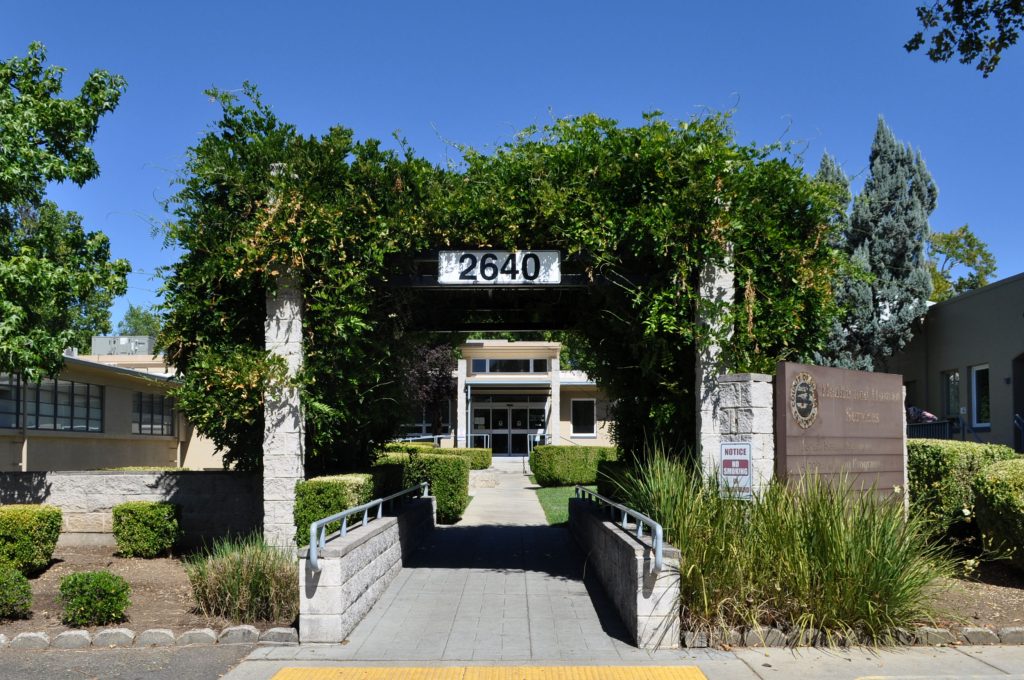
Earlier this summer, at a monthly public meeting focused on the county’s mental health and substance use services, a representative of Shasta’s Health and Human Services Agency made an announcement: the county had conserved its first client under Senate Bill 43.
The milestone represents the first time Shasta County has been able to force an individual with severe substance use disorder into treatment, by using the courts to strip their legal right to refuse.
No further information about Shasta’s first SB 43 case has been shared for confidentiality reasons. But the placement is the result of relatively new law which was passed by the state in 2023 and became active in Shasta County in 2026. SB 43 expanded the criteria under which someone can be placed in what is known as an LPS conservatorship.
In order to be placed in a conservatorship, California law has long required that an individual be found to be “gravely disabled” as the result of a serious mental illness that directly impedes one’s ability to meet their basic needs like food and shelter. That’s something that can occur for people with severe schizophrenia, bipolar, or schizoaffective disorder diagnosis, if left untreated. The determination of grave disability is made through an investigation process carried out by the county and confirmed by the court.
Under SB 43, the legal definition under which individuals can be labelled gravely disabled has expanded to include people with severe substance use disorder. Once legally conserved, a county-appointed staffer takes control over an individual’s medical and financial decision making. Conservatorships are reassessed at least annually, and individuals who have significantly improved with treatment can be released from their conservatorships to handle their mental health and substance use issues independently again.
The legislation was intended to move those with severe substance use disorder off of California’s streets. But statewide, rollout of the bill hasn’t been smooth, whether in huge and better resourced counties like San Francisco, or right here in Shasta.
Since January, the county’s efforts have culminated in the forced treatment of only a single individual, though three in total have been referred to the county for assessment under SB 43. One did not meet the court’s criteria to be deemed gravely disabled. Referrals come from LPS-designated mental health professionals.
Enacting Shasta County’s first SB 43 conservatorship was a highly complex process, a representative of HHSA told Shasta Scout this month — from the scrupulous investigative process required to determine someone is sick enough to take away their personal liberties, to actually finding a place for them to be treated against their will.
“One thing the public should understand is that implementing SB 43 is not just about changing the law — it also requires the treatment system to evolve,” said Genell Restivo, the HHSA Clinical Division Chief for Adult and Children’s Services. “The availability of treatment programs that can appropriately serve those individuals has not expanded at the same pace.”
There are a combination of challenges at play, according to Restivo, who noted that even once someone meets the threshold of a psychiatric hold, that does not mean that a facility will accept them. Depending on its capacity and appropriateness, a facility can deny a SB 43 placement if the patient has “acute medical needs,” in addition to substance use disorder.
Another complexity of implementing SB 43 is that the new law did not come with designated funding from the state.
Shasta County LPS conservatorships are managed under the Public Guardian’s office, a subset of HHSA. Over the last few years, budget documents show, the Public Guardian has managed around 140-150 LPS conservatorships each year with a budget of close to three-quarters of a million dollars. Funds are used not only to administrate the program but also to pay for necessary expenses for client care that are not covered by an individual’s own resources.
Beyond the difficult practicalities of implementing SB 43 in counties like Shasta, critics of the law have pointed out that the conservatorship system itself both erodes patients’ rights and only rarely provides off-ramps for the gravely disabled once they’re discharged from forced treatment. While some Shasta families have desperately pushed for their loved ones to be conserved in the hopes of saving their lives, past reporting has examined how the lack of an adequate continuum of care after their release has left them back out on the street without stable housing or mental healthcare.
Do you have information or a correction to share? Email us: editor@shastascout.org.
Related Articles
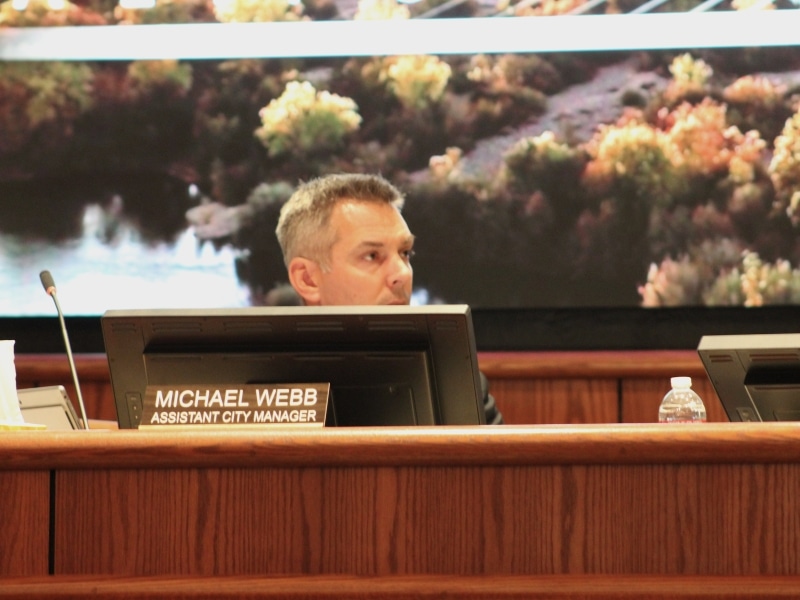
Redding council appoints interim city manager after death of William Tarbox
Assistant City Manager Michael Webb will be temporarily taking over the late city manager’s role. The transition comes as the city also looks to hire a new police chief and city attorney.
Redding appoints interim police chief as city navigates multiple changes in leadership
Last night, the Redding City Council appointed Robert Schreeder as interim chief of the Redding Police Department. He was selected by the city’s late manager, and is scheduled to start Aug. 3.
City funds Civic Auditorium maintenance pending search for new facility manager
The Redding City Council approved the use of $107,000 from the general fund last night to pay for maintenance and operational costs for the entertainment venue. The auditorium will become Redding’s responsibility when Advance Redding’s lease ends on July 31.
Comments (0)
There are no comments on this article.