
Shasta elections chief says he doesn’t plan to set aside ballots of individuals flagged by Trump administration
The U.S. Department of Justice attempted to sue California in an effort to force election officials statewide to set aside roughly 20,000 ballots it claims belong to noncitizens. The attempt failed in court, and Shasta’s Clint Curtis said he’ll obey the court’s ruling.
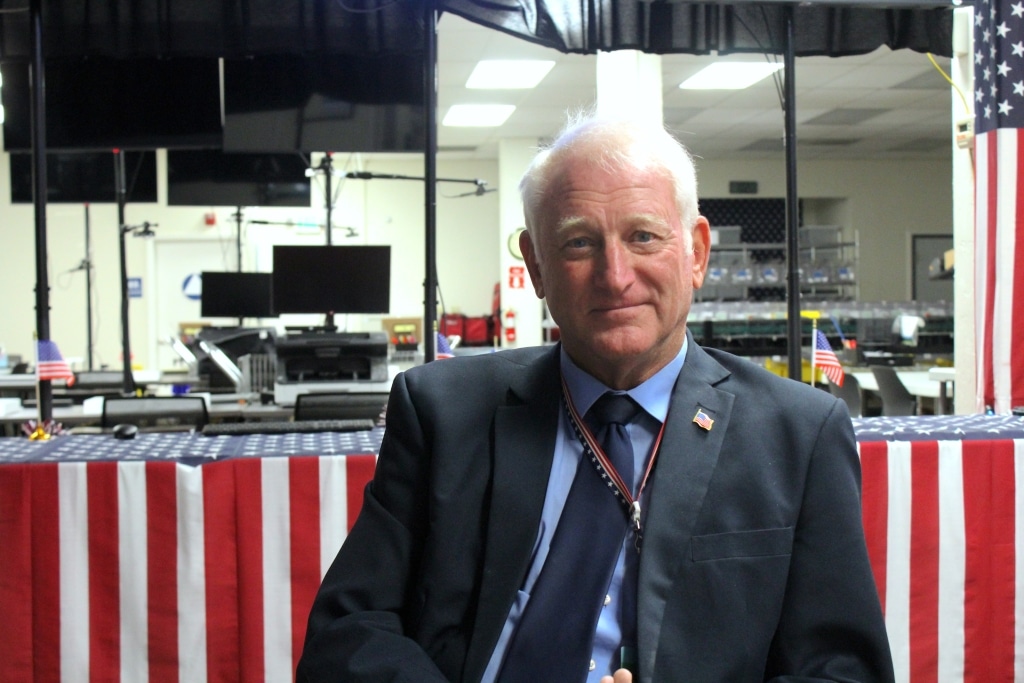
Shasta County Registrar of Voters Clint Curtis said he doesn’t plan to follow the Trump administration’s statewide effort to set aside November election ballots, citing yesterday’s ruling shutting down the administration’s bid.
Earlier this month, the Trump administration sued California in an attempt to force election officials statewide to segregate around 20,000 ballots belonging to individuals the administration claimed were likely noncitizens. A federal judge rejected the administration’s bid yesterday, saying its request would cause chaos in an election already underway and discount the votes of U.S. citizens.
“Never before in American history has the federal government, on the eve of an election, sought to coerce a state and local government to abandon their own Constitutional elections procedures and bend to the will of the Executive Branch,” U.S. District Judge David O. Carter wrote in the ruling. “In bringing this lawsuit, the Executive would have this Court believe that it reigns as a sole sovereign. But California and its people are sovereign, too.”
Before Wednesday’s ruling, Curtis received a list from the U.S. Department of Justice with roughly 30 names of suspected noncitizens registered to vote, he told a reporter today. He assured that he doesn’t plan to segregate ballots voted by those individuals because the Trump administration’s efforts haven’t succeeded “yet.” The Justice Department immediately filed an appeal after yesterday’s ruling.
As part of the case, Curtis testified in a sworn declaration submitted by the U.S. government on Oct. 26 that it’s possible for “the ballots of likely noncitizens” to be flagged and segregated while determining citizenship, explaining the process in which that could happen.
“In my experience, locating and segregating challenged ballots is entirely possible and not catastrophic,” he wrote. Statements by other election officials across the state contradicted his claim, saying such a task would be infeasible.
Curtis was appointed as Shasta’s top elections official by the county board in April of 2025 despite never having run an election. In the year and a half since, he’s made major changes to Shasta’s election processes, including removing most of the county’s drop boxes and eliminating electronic poll books.
His actions while working in Shasta have also served as fodder for national spectacle. He’s made headlines for offering a job at the elections office to Tina Peters and reporting “suspect” ballots from the election he lost to the FBI.
When asked whether he’s concerned about noncitizens voting in this election, he said it “would be good if they didn’t, bad if they do.”
The Trump administration’s case is part of a national push to find occurrences of noncitizens voting illegally and to target California ahead of the midterms. Despite the administration’s claims, there has been no documented, reputable evidence that shows widespread illegal voting by noncitizens.
State and local officials and civil rights groups have questioned the accuracy of the list of suspected noncitizens, with some arguing that the Trump administration’s efforts put legal voters at risk of disenfranchisement.
Federal officials have explained that they identified the alleged noncitizen voters through public data from state voter rolls and governmental databases.
Have a correction to share? Email us: editor@shastascout.org
Related Articles

Director Christy Coleman agrees to outside consultant as Shasta HHSA’s financial woes persist
After top Health and Human Services Agency staffers asked the board this week for continued financial help in the millions, Supervisors Matt Plummer and Allen Long pushed to bring in a third-party financial consultant. The motion passed unanimously despite verbal challenges from Supervisor Kevin Crye and Board Chair Chris Kelstrom.
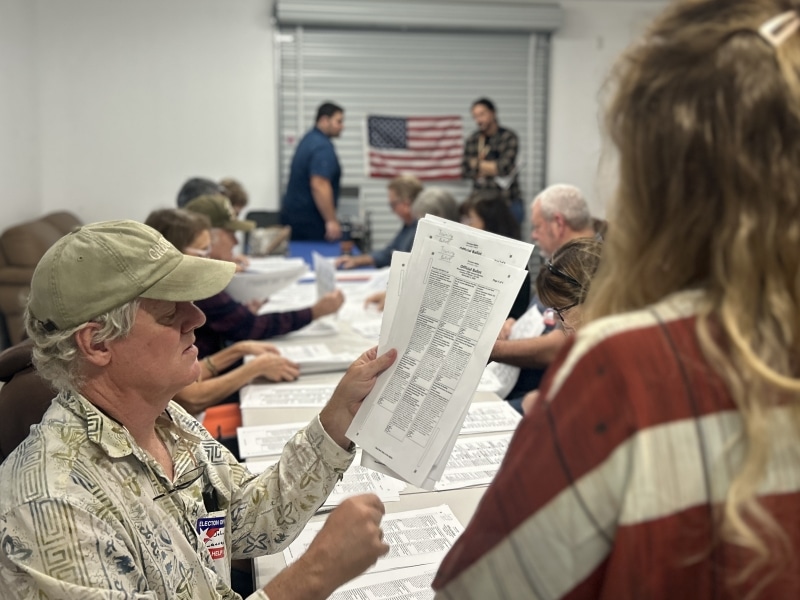
Paid ‘supply captains,’ not volunteer rovers, will support Shasta’s poll workers this Election Day
The change means long-term volunteers who’ve provided support to poll workers in the past won’t play the same pivotal role this time. But Shasta’s election staffers said the new approach will still get the job done.
Shasta supervisors set 30-day deadline to take deeper look at mobile home rent stabilization ordinance
Tehama County Supervisor Greg Jones appeared before the Shasta board yesterday, sharing a presentation that outlined an approach to mobile home rent stabilization that is soon to be implemented in Tehama.


Comments (0)
There are no comments on this article.