
Shasta supervisors invite applications for opioid settlement fund use
Organizations will be able to apply for up to $1.5 million in funds. The applications will be assessed by an independent committee in hopes of reducing conflicts of interest before the board’s final vote.
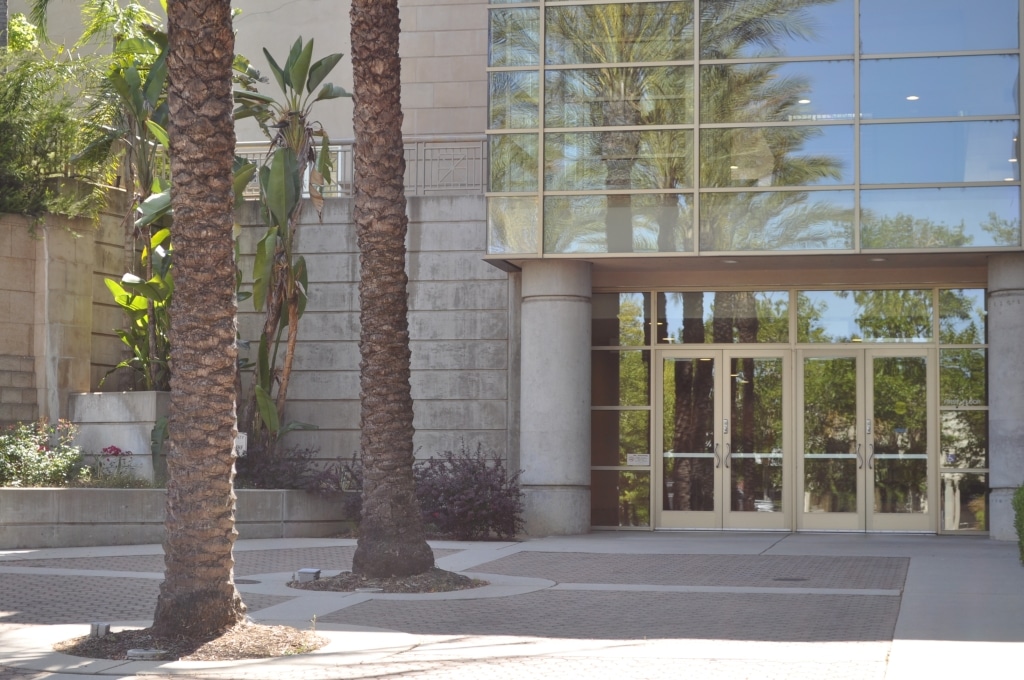
Interested Shasta County organizations will soon be invited to apply for access to some of the county’s hefty pot of opioid settlement funds, thanks to a majority vote at yesterday’s Shasta County Board of Supervisors meeting.
In a 4-1 vote with only Supervisor Kevin Crye dissenting, the board approved a motion to issue a call for applications for up to $1.5 million from the settlement fund.
The various settlements that contribute to the fund — which the county first began to receive in fiscal year 2022-2023 — come from a 2018 lawsuit Shasta County won against multiple opioid manufacturers and distributors. The county was one of over 3,000 plaintiffs to sue in the landmark consolidated lawsuit, and it was awarded a total of $38.9 million to be paid in annual installments until fiscal year 2038-2039.
So far the settlement has brought more than $13 million into county coffers, with the rest scheduled to be received over coming years. Over the last two years, the county has awarded several million of the original pot of funds without a standardized process, at times driving community controversy.
Under California law, settlement funds must be applied towards opioid use remediation in pre-approved ways detailed in the settlement agreement, with at least half being used for “high impact” abatement activities, or the types of programs and projects that California has designated as priorities for funding.
The request for proposal, or RFP, approved yesterday differs from the board’s last open call for project applications, which was issued in late 2024. Under the leadership of Crye, who was board chair at the time and eager to deploy funds quickly to address needs, all interested organizations were invited to appear at a special board meeting and give rapid-fire six-minute pitches for access to any amount of the nearly $40 million in funds.
At the time, Crye received pushback from fellow supervisors, county staff and stakeholders for his approach, which did not involve expert consultation, a strategic plan or use of evidence-based metrics.
Of the 20 organizations that presented at that time, four went on to receive settlement money from the county. Two were nonprofits housed under a committee named CORE, or Community Opioid Response and Education, which focuses on preventing opioid use in young people. Another two, Shasta College and the Shasta County Substance Use Coalition, have also received funds since then.
Otherwise, Shasta County’s distribution of opioid settlement funding has largely been piecemeal and initiated by stakeholder organizations themselves. Throughout the process, the board has awarded funds without requiring professional experience or detailed budgetary plans.
This time around, the board will appoint a three-member committee of county staffers who will review and evaluate the responses received through the RFP process, according to the staff report for yesterday’s meeting, a suggestion that came from the county’s purchasing department.
The committee will consist of Deputy CEO Erin Bertain, Chief Probation Officer Tracie Neal and Health and Human Services Agency Branch Director Cindy Lane, who will review proposals and advise the board on funding allocations. But ultimately, the decision on how to use opioid settlement funds will remain with supervisors.
Do you have a correction to share? Email us: editor@shastascout.org.
Author

Related Articles
Mobile home park owner agrees to delay rent increase in response to county concerns
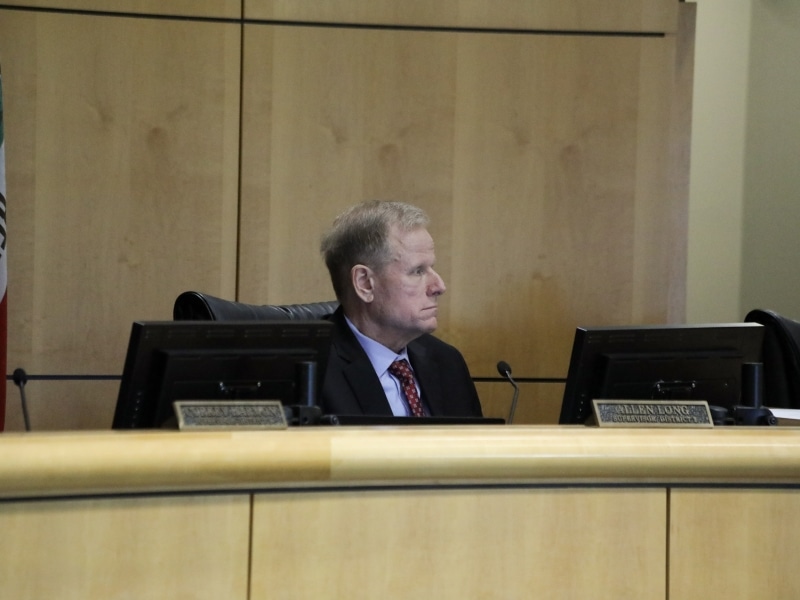
Shasta County Supervisor Allen Long announced the update at yesterday’s meeting. It’s a delay in the prior plan, which was to raise rent by 30% on Dec. 1. Residents said they weren’t included in the conversation.
With around 75% of Shasta’s votes counted, Gallagher holds strong lead for District 5
Many results remain relatively unchanged after the latest election results were released this afternoon. There are still about a quarter of Shasta County’s estimated ballots left to count.
Redding withholds identities of panel chosen to review Civic Auditorium proposals
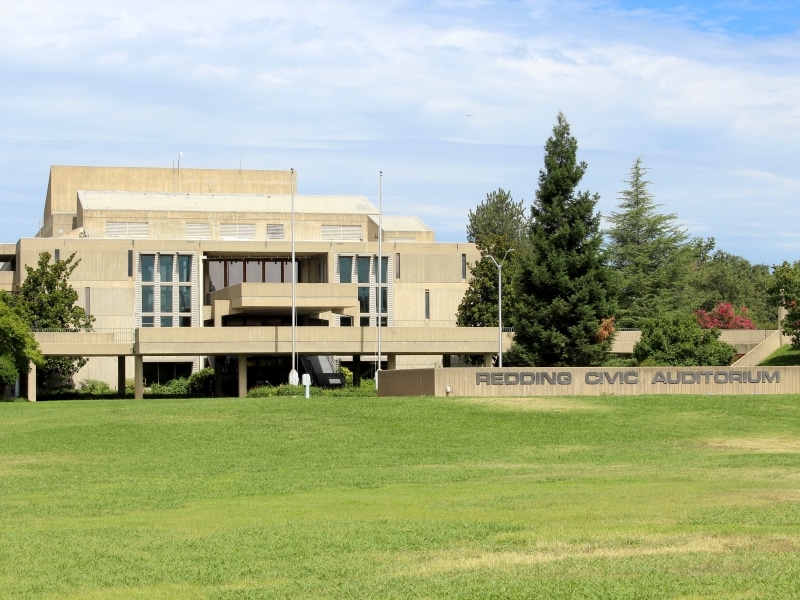
A group of community members are playing a major role in deciding the Civic Auditorium’s next operator, but the city has decided to not disclose who those individuals are, citing concerns about objectivity and credibility.

Comments (0)
There are no comments on this article.