
New Shasta strategic plan lays out ambitious five-year agenda. Money remains a central problem
Shasta’s new five-year strategic plan prioritizes several projects, including a corrections and rehabilitation campus and local medical school. But a lack of clear funding sources may keep Shasta from following through.
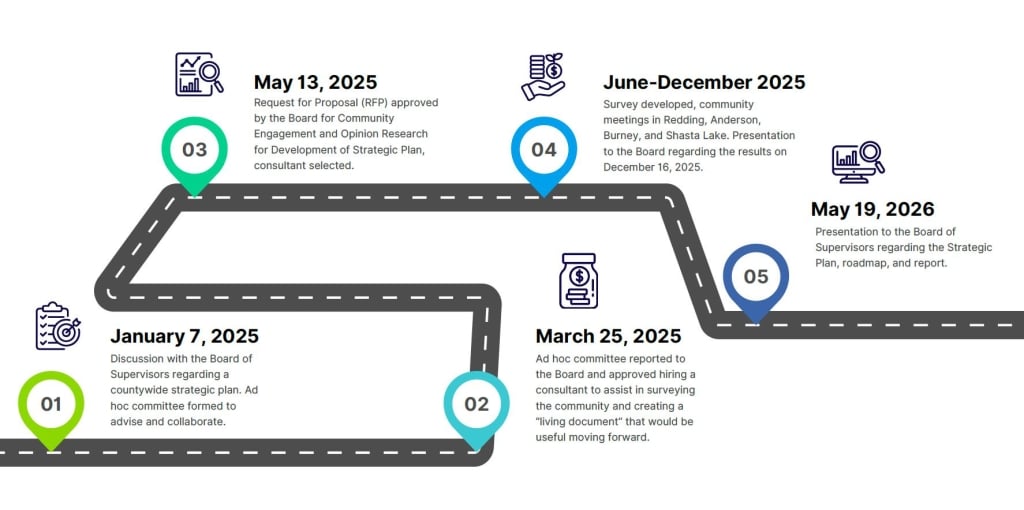
Last month, the Shasta County Board of Supervisors approved a new five-year strategic plan, which addresses public concerns over safety, healthcare and infrastructure. The plan arrives as county leaders face difficult decisions about how to allocate limited resources, a recurring theme of last week’s budget hearings.
The county’s strategic plan, which intends to guide county priorities through fiscal years 2030-31, identifies five focus areas that emerged from a countywide survey and a series of community meetings held last year. Those focuses include public safety, healthcare, wildfire prevention, development and community engagement.
While the plan lays out dozens of objectives — along with metrics and timelines — many projects remain dependent on grants, private funding and other revenue sources that have not yet been secured. The plan acknowledges those uncertainties, and supervisors agreed when approving it that it’s intended to serve less as a rigid blueprint than as a framework for future budget decisions.
Supervisor Allen Long has described the plan as a “living document” that will change as circumstances and funding evolve, but he also expressed disappointment during last week’s budget hearings that the county does not have enough funds to meet the priorities established by the plan.
“Think about what we just spent a year and a half on,” Long said of the strategic plan process, “and how inadequate this all feels.”
While the board did vote to unfreeze three code enforcement officer positions and provide retention bonuses to attorneys in two public safety offices, little else in the budget directly reflects any of the priorities proposed by the plan.
What is the vision for Shasta as laid out in the strategic plan?
A county survey released last year found that many residents believed Shasta County was heading in the wrong direction, especially when it came to concerns over public safety, housing, healthcare access and trust in local government.
The strategic plan translates those concerns into five major goals.
The county’s highest-priority safety objective is the development of a corrections and rehabilitation campus that would expand alternative custody and reentry programs while reducing recidivism rates. The plan envisions construction beginning within the next several years, starting with environmental review work this fiscal year. Construction and operation expenses for the campus are largely unknown, in part because there have been no publicly-shared decisions about what projects will be housed there.
The project is being planned as county leaders face mounting strain across the local criminal justice system. Last week, supervisors approved $10,000 in retention bonuses for attorneys in both the district attorney and public defender offices, after both departments described severe staffing shortages driven by noncompetitive salaries and overwhelming caseloads.
Department heads say those bonuses are a good start but the need for more competitive salaries remains. During the budget hearing where that decision was made, several public commenters questioned why Shasta would choose to allocate funds toward the corrections campus before further addressing critical attorney staffing concerns. In response, Long clarified for Shasta Scout that attorney salaries are an ongoing expense rather than a one-time cost, which the board has to be “more careful about committing to.”
Meanwhile, the plan’s healthcare initiatives focus on recruiting more physicians, reducing wait times for primary care appointments and supporting controversial efforts to establish a medical school in Shasta County. But these goals were laid out even as the Shasta County Health and Human Services Agency grapples with a growing financial crisis of its own.
During budget hearings last week, HHSA Director Christy Coleman told supervisors that the agency’s social services fund remains under severe strain, forcing hiring freezes, administrative cuts and the elimination of 26 vacant positions. Meanwhile, a request from Simpson University to obtain $10 million in county funding for the medical school project a few months ago, has since been withdrawn.
Wildfire prevention efforts mentioned in the strategic plan include new fuels reduction projects, implementing recommendations from an ongoing fire services study and identifying long-term funding sources for prevention work. But during budget hearings, Chief Sean O’Hara outlined how the county remains heavily dependent on its current, and costly, CalFire contract.
The strategic plan also calls for modernizing county planning and development processes, including updates to the county’s general plan, additional code enforcement staffing and expanded online permitting services. While the code enforcement staffing was addressed during the budget process — with three code enforcement positions being reactivated — supervisors decided against funding an update to the county’s general plan for now, something that was estimated at about $1 million.
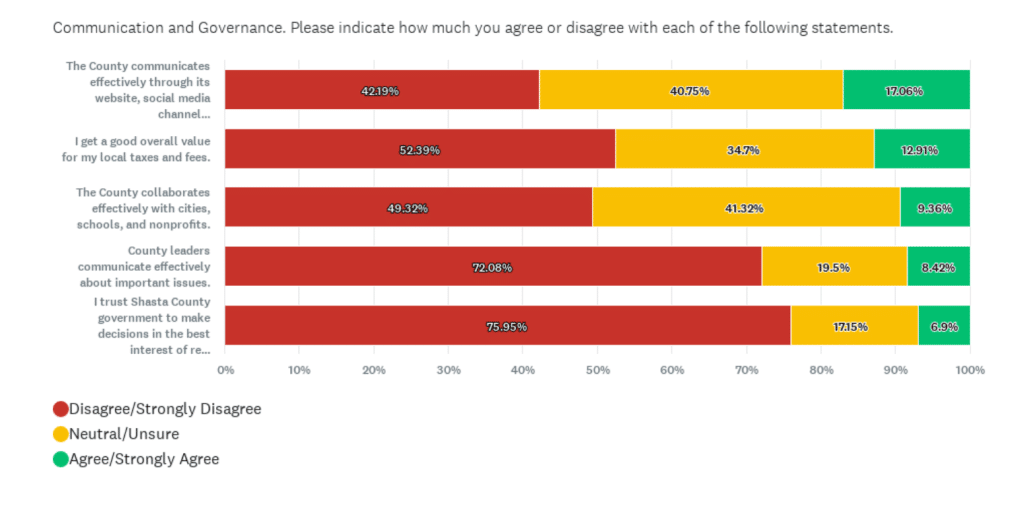
A final section of the strategic plan addresses public trust, something everyone seems to want but no one can put a price tag on. According to survey results included in the plan, nearly 76% of respondents said they don’t trust Shasta County’s government to make decisions in residents’ best interests. Roughly 72% felt county leaders don’t communicate effectively about important issues.
In response, the county has committed to holding annual town halls in each district, conducting yearly surveys and expanding public communications through newsletters, social media and educational outreach.
Now that it’s been approved, the county will monitor progress on the overall strategic plan. Each goal has been assigned to committees made up of department heads, administrators and elected officials. These groups will report back to the board at least annually on their progress.
“This is something that will be very flexible,” Long said of the update process, “and it will be evaluated as to whether it’s working, whether we’re meeting success … [and how] do we readjust our priorities.”
Do you have a correction to share? Email us: editor@shastascout.org.
Author

Comments (9)
Comments are closed.
Related Articles
“No Kings” rally encourages civic engagement but sees a decrease in participation
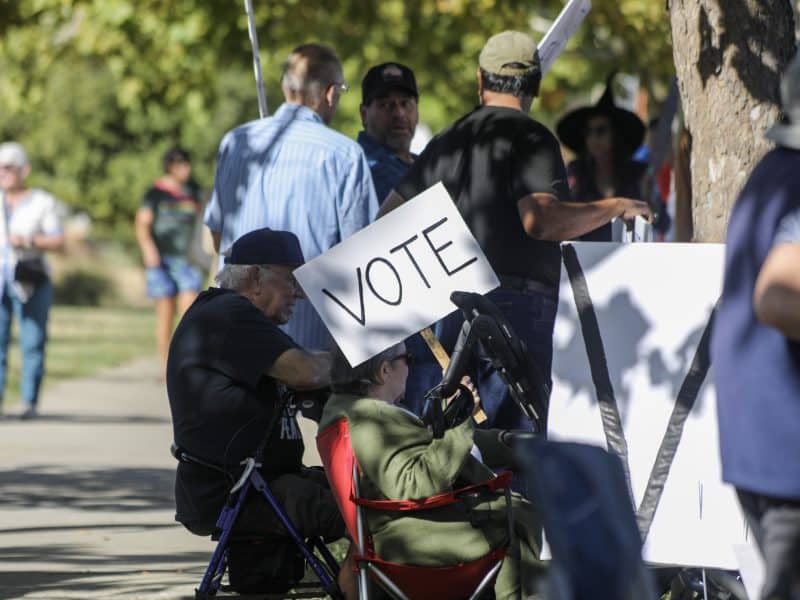
Around 1,450 people attended the No Kings Get Out The Vote Rally on Oct. 17 in Redding, according to organizers. In March, about 2000 protestors organized.
CalMatters, Shasta Scout host local voter information event ahead of midterm elections
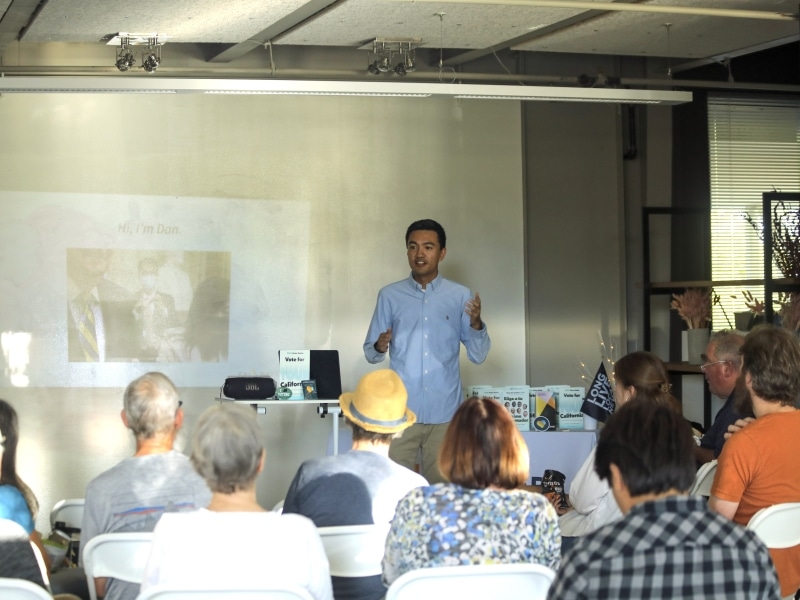
CalMatters’ Dan Hu gave a presentation about statewide races and ballot propositions, as well as general information about CalMatters’ election tools. Shasta Scout’s Annelise Pierce presented about local ballot measures.
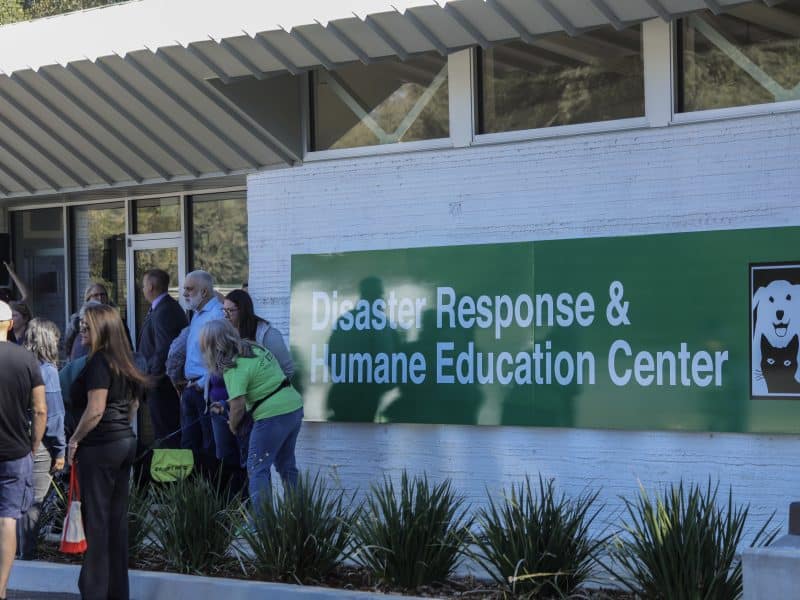
Haven Humane opens disaster response center built with Zogg Fire funds
The animal welfare organization opened a new disaster response and humane education center today next to its existing facilities in Anderson. The center was built with funds from the Zogg Fire that were designated for animal care in honor of Karen King.
What Shasta County needs is a State Four Year College. We lose most of our brightest students because they have to go away for school and never come back.
That brain drain has a deleterious effect on our community. It’s time for Cal State Shasta.
Last time they tried that it went to Merced.
I heard it was the local good old boys club that somehow put the Kabosh on that because they didn’t want the commie progressives in town. No matter what new tax base it might have brought.
Those guys are dinosaurs, maybe they dead now and we can see some modern thinking.
Keep church and state separate, we don’t need our $$$ going to bethel/simpson.
With UC Davis poised to expand its medical school presence in the area with no need for the County to pony up funding, the proposed but unfunded private medical school at the local parochial college (or wherever) should be deader than fried chicken.
.
But of course, that won’t inhibit the proponents from spending money and staff time chasing it. Why? Because they envision having their fingers in the pie, and that won’t be true of the UC Davis expansion.
The survey results are a complete repudiation of the Jones/Crye/Kelstrom reign of error. The bumbling incompetence, self dealing and cronyism have been so blatant that even people who don’t pay a lot of attention have had enough. The election us a good start. Next step is to clean them out of county agencies.
Selah
Eighty-sixing from the board of the Shasta Mosquito Vector Control District the moronic conspiracy theorist who participated in the Jan 6 insurrection is a good place to start the purge. This loon said that Japanese-engineered mosquitos were being used to involuntarily inoculate people with a Covid-19 mRNA vaccine. (Technical feasibility does not equal implementation, Jon.) Probably something he heard Alex Jones rant about.
Chickasaw & Choctaw treaty:
https://www.choctawnation.com/wp-content/uploads/2022/03/1866treaty-with-chickasaws-and-choctaws.pdf
Freed slaves got 40 acres, but no mule…
The US paid the tribes $300,000 to free their slaves (written as ostensibly payment for lands already ceded) – about $30 per freed slave. That’s roughly $10 million total and $1,000 per slave in today’s dollars.
8 or 9 generations ago I had native grandparents. That leaves me with about .74 or .37% native blood. Does that qualify me for government money?
This is an important article, thank you, Nelson and Shasta, Scout.
.
However, I went to https://www.shastacounty.gov/county-administrative-office/page/strategic-plan hoping to download a copy of this new document. While I found a Survey PDF that I did take part in and a Comparative Analysis of Survey Responses by Place of Residence PDF, I did not see a Comprehensive Shasta County Strategic Plan PDF listed. Am I missing something?
.
Thanks
I apologize. We should have linked that in the story. Here it is and it’s been added to the story as well. https://www.documentcloud.org/documents/28284396-draft-strategic-plan-2026-31/