
California requires county jails to meet minimum standards. That hasn’t prevented Shasta’s high rate of in-custody deaths
Shasta’s jail has consistently passed most aspects of state inspections amid a worrying level of deaths. A close look at the state’s standards — and the California board responsible for examining deaths in jails — shows key gaps in oversight.
Editor’s Note: This story contains references to suicide. If you or someone you know is in crisis, help is available. The National Suicide Prevention Lifeline is available by calling or texting 988. You can also chat online at 988lifeline.org or text HOME to 741741 to connect with a crisis counselor.
This is the second part of a two-part series on the death rate at the Shasta County Jail. This reporting was supported by the Center for Health Journalism’s 2026 California Health Equity Fellowship.
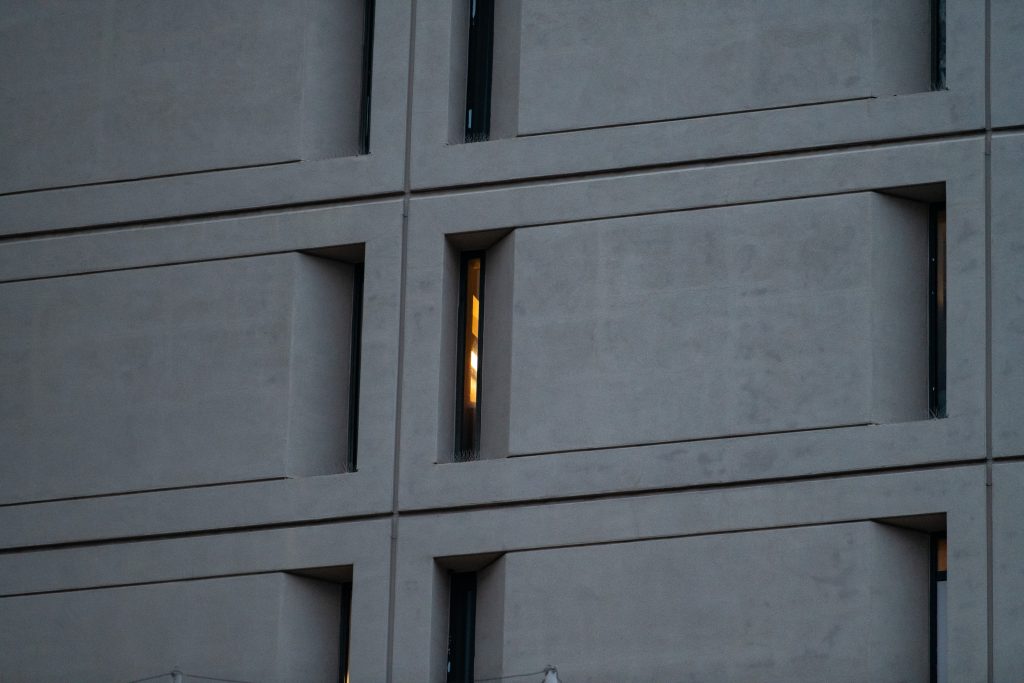
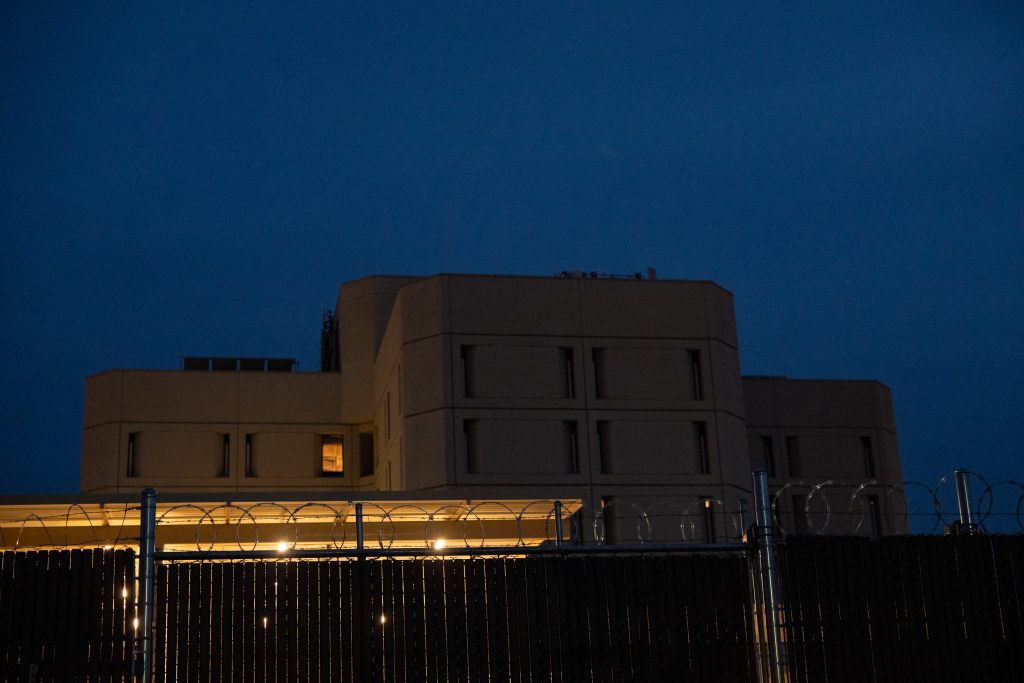
The Shasta County Jail has seen an usually high number of deaths in recent years, with suicide being the most common cause. It’s a situation Shasta County Sheriff Michael Johnson has referred to as a “crisis.”
Since data became public in 2023, the reported in-custody death rate in Shasta has been double that of similarly sized rural counties such as Butte and Imperial, even topping the rate of one the largest jails in the nation, Rikers Island in New York City. Yet the local sheriff has never conducted a public probe into the patterns behind these fatalities, something that could help prevent future deaths.
The county did not respond to Shasta Scout’s recent analysis of 22 of the most recent 24 in-custody deaths, which showed distinct trends among the background and circumstances of many of the individuals who have died behind bars.
Those patterns include deaths that occurred while high-risk people were in between periods of monitoring by correctional officers. Unlike both Butte and Imperial Counties, the Shasta jail does not employ constant monitoring of those known to be at risk of taking their own lives.
The sheriff’s failure to either analyze in-custody death patterns himself, or respond to outside analysis such as that conducted by Shasta Scout, elevates the county’s legal risk. In Los Angeles, the sheriff’s inaction toward its jail deaths provided part of the grounds for a lawsuit filed by the California attorney general against the Southern California county.
The sheriff’s inaction has also raised renewed concerns for families with loved ones who are, or have been, incarcerated, and are well aware of how lethal the jail has been for years.
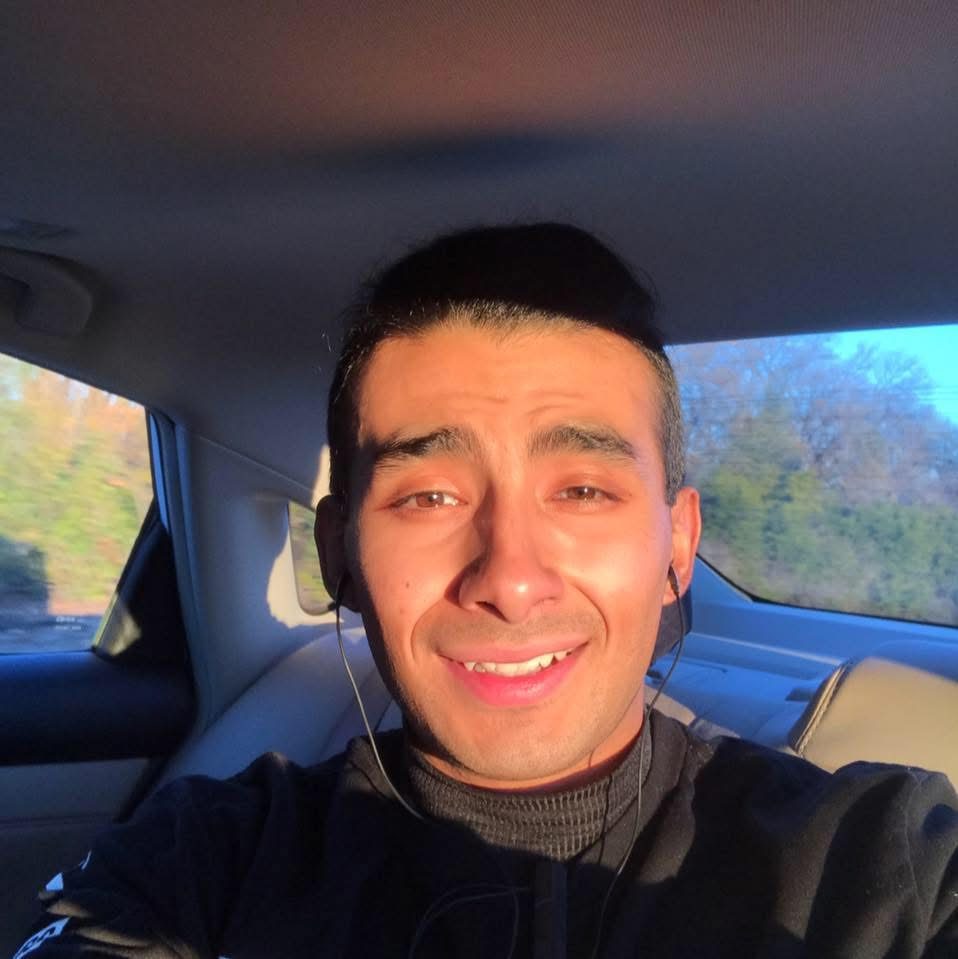
When Leticia Moreno found out that her brother, Juan, had hung himself in his cell early last year, she said her first reaction was anger.
“I was angry because I didn’t expect my brother to pass away somewhere high security,” she said, recalling the moment she broke down crying when a sheriff’s deputy told her Juan had died. “They said he was in there getting help, and a few days later he ended up dead.”
In the aftermath of Juan’s suicide, the Moreno family has filed a lawsuit against the county, alleging negligence and other charges. But using legal proceedings to uncover the harmful circumstances that might have led to a wrongful death is a path that will require determination, persistence and time.
The family of 31-year-old John Adena — a former first responder and heart monitor technician who died in custody in 2019 while in the throes of what his family has described as an acute mental health crisis — is still pursuing a federal lawsuit over his death some seven years later.
“It’s been borderline unbearable,” Adena’s sister, Michelle Gallagher, said, describing the anguish her family has gone through during the trial process, which she referred to as an “extreme” measure to take just to be heard and acknowledged.
Gallagher knows that state oversight bodies have consistently reviewed and approved most aspects of the Shasta jail and its policies. But she doesn’t believe the state’s standards are high enough.
“Something has to change because people keep on dying in the jail,” Gallagher said. She’s the wife of a state law enforcement officer herself, but emphasized that change won’t happen in Shasta until the sheriff is forced to acknowledge that the county’s system is broken.
Gallagher’s brother died in custody four years before the state would pass a new law intended to increase oversight in county jails. The law requires the state to review the investigatory files of all deaths that occur at local detention facilities. But so far, that’s still not happening.
Passing inspections, but falling through the cracks
While some Shasta County residents might not place a high value on the lives of those in jail, the United States Constitution does, protecting the rights of the incarcerated under the Eighth Amendment.
To protect those rights, California maintains its own minimum standards for county jails, as outlined in a law known as Title 15. California’s Board of State and Community Corrections is responsible for routinely examining county jail policies and facilities to make sure they comply.
But the BSCC has no actual power to force jails to comply with the minimum standards outlined by California law. Jana Sanford-Miller, a spokesperson for the BSCC, said that’s because “state-level enforcement mechanisms operate within statutory boundaries,” adding that the California Attorney General’s Office can conduct its own investigations and even sue counties over their facilities if they’ve been found to be systematically in violation of Title 15.
So far that seems unlikely to occur in Shasta, where the local jail has consistently met most of the BSCC’s minimum standards, as documented by inspection reports, publicly available on the BSCC’s website. But the frequency with which families on the outside continue to lose loved ones behind bars raises questions about whether those standards are comprehensive enough to effectively prevent deaths.
For one, Title 15’s minimum standards don’t require a change to Shasta’s current jail monitoring policies. The standards for jails set by Title 15 are subject to review and potential revisions every two years, or when directed by specific state legislation. Since 2018, the state’s policy criteria for suicide prevention has become more comprehensive. Unlike the older suicide regulations, the newer stipulations outline specific requirements for staff training, intake, screening and supervision dependent on suicide risk, but there is still no requirement for 24-hour monitoring of the highest-risk people.
Asked if the BSCC had considered updating Title 15 given that current standards have not prevented Shasta’s high death rate, Sanford-Miller said the BSCC couldn’t respond to questions about specific policy gaps. But she referred to the inspection framework as “a rigorous process developed, refined, and continuously updated in collaboration with correctional experts and stakeholders” and noted that the agency “consistently advances its inspection process to incorporate best practices and maximize accountability.”
Another way that Shasta’s jail death rates could be addressed is through a process set in place by the legislature in 2024, that mandates the BSCC to review jail records every time someone dies in custody and make recommendations to local enforcement about what policies should be updated to improve facility safety and prevent future deaths. But so far, the BSCC has yet to publish a single completed death review.
The state board also lacks any oversight of the private health care companies contracted to provide medical services in county jails, who are responsible to “do no harm” in high-risk scenarios — including when incarcerated individuals are withdrawing from substances or experiencing acute mental health crises.
Separate jurisdictions, shared responsibilities
The mere existence of the BSCC puts California ahead of many other states.
Formed as an independent body in 2012 under Jerry Brown, the BSCC fit into the former governor’s overall mission to redistribute many thousands of people convicted of low-level felonies out of California’s prison system and into county jails and probation programs. As jail populations across the state increased significantly with the changes, one of the BSCC’s roles was to help regulate the conditions inside more populated county facilities.
The 15-person BSCC board includes mostly members with law enforcement or correctional backgrounds, along with a single physician and therapist. It currently oversees hundreds of correctional facilities in California, including county jails like Shasta’s. The board conducts biannual inspections, which include checking if a jail’s policy manual is compliant with Title 15, or the “minimum standards” required of local detention facilities under California law. Inspections can also be unannounced if the BSCC wants to follow up on an issue that was identified as out of compliance, or at risk of being out of compliance, during a planned inspection.
The BSCC’s site visits are also intended to check whether an approved policy is just words on a page or actually put into action. For example, do staff just claim they’re checking cells as frequently as jail policy requires, or are correctional officers actually doing so?
Logs maintained by officers are inspected by the BSCC, and judgment passed on compliance. But whether an approved policy, such as a suicide prevention plan, is actually effective in saving lives has no bearing on the BSCC’s approval process. In places like Shasta, where deaths are occurring within the bounds of Title 15, that means there is no immediate impetus for the sheriff to update procedures in ways that could save lives.
However, the parameters of Title 15 could be updated to close gaps. In addition to the BSCC’s own power to review and update standards once every two years, lawmakers also have the power to reform the way jails are run, and so do local elected officials.
“The legislature has the ability to create stronger standards, as do local jurisdictions,” said Assemblymember and former Public Defender Ash Kalra, who chairs California’s Committee on Judiciary. He referred to current Title 15 criteria as “the floor” of what should be required in correction facilities, rather than the ceiling. Kalra added that nothing should stop either the state or county bodies from “creating stronger and better standards, especially if there’s a pattern of disturbing outcomes.”
Shasta Scout asked three of the five county supervisors, Chris Kelstrom, Allen Long and Matt Plummer if the county plans to review and analyze deaths in jail, as was done by county officials in Los Angeles. Only Plummer replied. He said he had not previously discussed the matter with the sheriff but felt it would make sense to wait a year given that the county recently contracted with a new medical provider, something that’s expected to improve conditions on the inside. But it’s not clear how changing the jail’s medical provider would impact jail policies outlining how incarcerated people are monitored.
The sheriff did not answer Shasta Scout’s questions about the feasibility of changing jail policies, how the jail engages with BSCC oversight or whether that board’s inspections accurately capture the challenges jail staff face in trying to maintain a safe environment.
No eyes on correctional healthcare
A large share of Shasta’s incarcerated people are affected by serious psychiatric disorders and substance use, or both. Though suicide was the most common cause of death in Shasta’s jail, people succumbed to other physiological conditions too, some of which were likely treatable, such as HIV-related complications. Given the vulnerable population held inside, the jail is essentially tasked with the same responsibilities as other health institutions, such as state mental hospitals or rehabilitation facilities. Yet according to policy experts, California’s current oversight mechanism is not examining jails with this framing in mind.
The BSCC does not have oversight over privately contracted correctional health care companies, who alongside correctional officers, make life- and death-determining decisions for the incarcerated. These same private companies are also exempt from obtaining licensure from the Department of Health Care Services to operate in jails, which oversee such state-mandated credentialing for behavioral health and substance use treatment centers in other institutional contexts.
In the case of Juan, who had a history of psychosis for most of life, he had expressed being suicidal, according to his death investigation records obtained through a public records request. But the jail’s nurses did not decide to place him in the more closely monitored cells specified for suicidal individuals. His investigation records do not explain why.
The sheriff’s contract with private medical provider Wellpath, which provided care at the Shasta jail at the time of Juan’s death, indicated that the county was required to review Wellpath’s policy manual at least annually. But when Shasta Scout requested the manual, the county said it did not have a copy and directed a reporter to reach out to Wellpath for the manual. Wellpath did not respond. The sheriff’s staffer added that when the county needs information related to Wellpath policies, “we are required to do the same and request from Wellpath as well.”
Sanford-Miller confirmed that the BSCC has not agendized the topic of private health care at its meetings and does not have the authority to regulate such agencies under Title 15. At a nationwide scale, Wellpath has been named in hundreds of wrongful death lawsuits, having settled with bereaved families both in Shasta and across the state. S
Wanda Bertram, the communications strategist for the Prison Policy Initiative, a nonprofit advocacy organization that conducts research on the effects of mass incarceration across the nation, was concerned but no surprised by the fact that the BSCC does not scrutinize the practices of private medical providers. She said the state’s approach to jail oversight, which is currently focused on facility operations, isn’t sufficient for institutions like county jails that serve multiple purposes, including detoxification and mental health.
“Oversight, if it’s only focused on assessing [a jail’s] capacity to serve as a correctional facility or a detention space, is going to miss stuff,” Bertram said. Given that the sheriff’s office itself said it does not have access to a private provider’s records, this aspect of jail operations currently goes unmonitored by both local and state bodies.
BSCC delays death reviews
As previously mentioned, the BSCC has another role: reviewing deaths in jails to look for root causes that could be addressed through changes in policy or practice.
Senate Bill 519 is what first mandated the BSCC to begin reviews of in-custody deaths. The bill established a director of in-custody death reviews, who is appointed by the governor for a term of six years. The intention is to analyze how a jail’s policies may contribute to fatalities.
The review team was enacted by state legislation in January of 2024 and was to begin investigating deaths in jail starting that July. The process entails using jail death investigation records to review the complete circumstances of each death, the same process Shasta Scout used in a review of deaths conducted over the last few months. After the BSCC’s review is complete, the board is required to post the findings online, along with any policy recommendations for the jail. The sheriff is then required to identify which policy recommendations the county intends to adopt, along with a timeline for implementation and a budget.
Two years later, the BSCC has yet to have published a single death review. In that waiting period, six people have died at the Shasta County Jail.
Asked about the reason for the BSCC’s delay, Sanford-Miller cited the time-consuming process of hiring, credentialing and having to change California law to designate the BSCC as a health oversight agency in order to allow the team access to unredacted medical records. She said the BSCC expects to publish its first in-custody death reviews by the end of 2026, two and a half years after the process of death investigations was supposed to begin. The office of Gov. Gavin Newsom, who appointed In-Custody Death Review Director Allison Gatner, has not yet responded to Shasta Scout’s request for comment. A request to Gatner herself was responded to by the Sanford-Miller.
Former California Senator Toni Atkins is the author of SB 519. As the bill was moving through the senate, she appeared before the California legislature to share her thoughts on the importance of the law, which she said would provide some relief to county supervisors who take on the legal risk of jails without having the ability to attempt to improve it.
“Interestingly, county boards of supervisors bear the responsibility of settling lawsuits involving in-custody jail deaths, but have limited authority in requiring the sheriff’s department to enact policies to reduce in-custody deaths,” she said.
Atkins hoped SB 519 would impact the rate of deaths in jail, but so far that hasn’t materialized. She did not respond to requests for comment.
The Human Toll
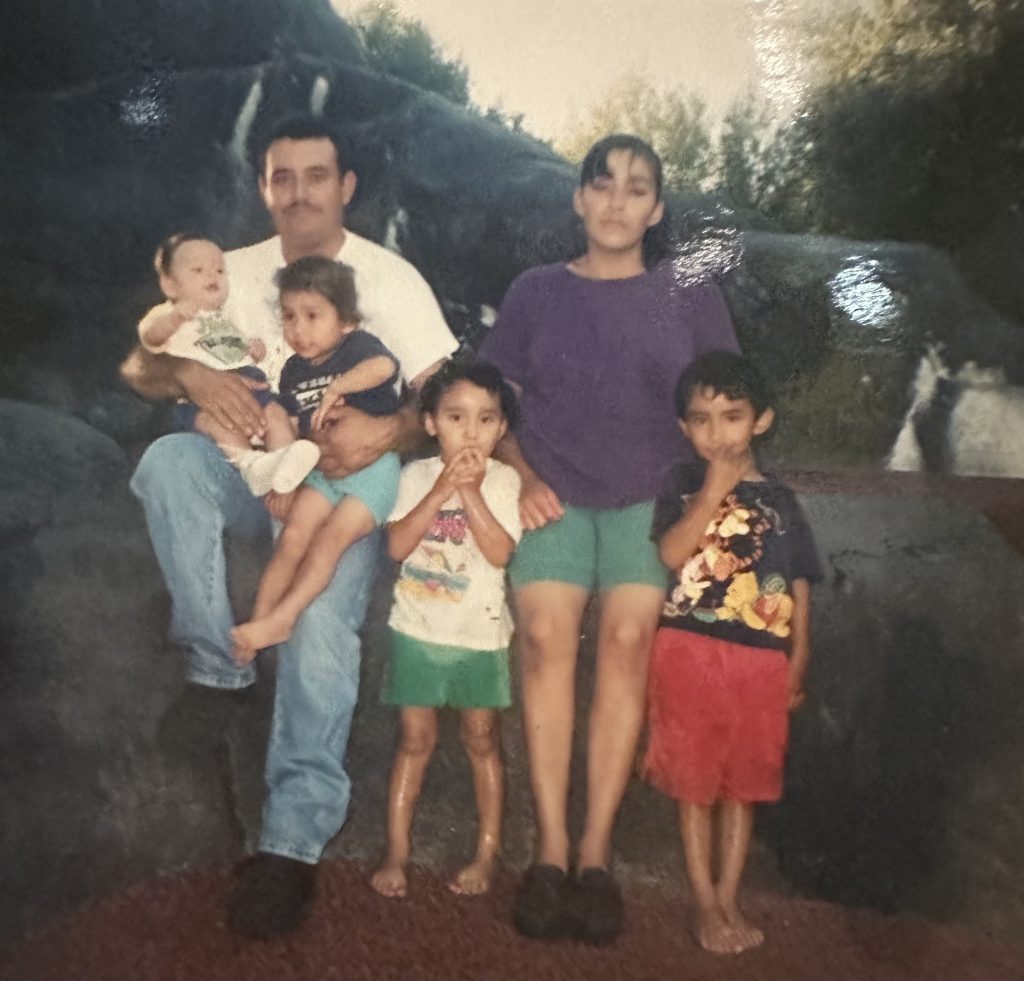
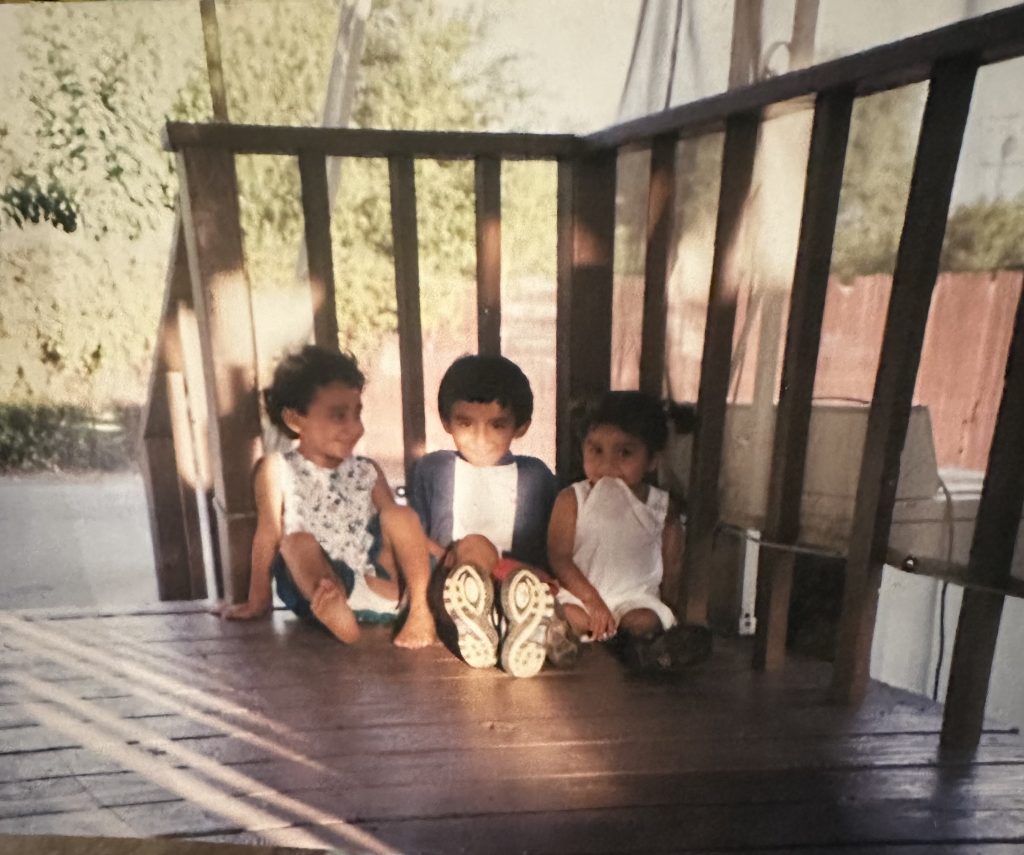
Leticia Moreno, Juan’s little sister, remembers her brother as someone with a real sense of determination. He could do anything he put his mind to, she said. She also recalled how hard his family tried to help him manage his mental illness.
Moreno described the weeks leading up to Juan’s arrest in late 2024 as a particularly volatile time when he was paranoid, unmedicated, using substances and could not even perceive his own mental illness. She said the family called 911 multiple times in the hopes of getting Juan placed in an involuntary psychiatric hold but said that help was never sent. Behavioral health resources are scant in Shasta County, something that increases pressure on the jail to hold those in acute crisis, despite it not being a psychiatric care facility.
When Juan ended up in jail, Moreno said at the very least she hoped he would be able to safely detox before accessing long-term treatment. Instead, her brother’s death revealed the ways she believes the jail’s current policies endanger the lives of people on the inside. Moreno said if she could speak to a California lawmaker with power to change the standards by which Shasta’s facility operates, she would suggest several changes.
“People who aren’t sane should be evaluated more, the routine checks need to change, training of correctional officers should be looked into,” she said.
And there are still unknowns about the exact circumstances of Juan’s passing, Moreno said. With little faith in the county, seeking answers to those questions was one of the reasons the Moreno family decided to file a lawsuit. His sisters said the family was not asked to identify Juan’s body and is still waiting on the determination of an independent autopsy, 10 months after his death.
“I think that they’re hiding specific details. We just want the truth, basically, not necessarily money,” Moreno said. “We’re trying to make a point that the county can’t get away with things like this and just pay someone [like us] off. We want to make a statement for future families.”
Do you have a correction to share? Email us: editor@shastascout.org.
Comments (10)
Comments are closed.
Related Articles
ROV Curtis oversees shredding of 2024 ballots amid activist protest
Several dozen people protested the mandatory shredding of 2024 ballots at the election office today. Amid the chaos, election official Clint Curtis supervised the proceedings with his signature cheerfulness.
Shasta County risks litigation after attempting to shield federal subpoena
The First Amendment Coalition has issued a legal demand on Shasta Scout’s behalf in an attempt to compel disclosure of a federal grand jury subpoena under public records law. A board meeting to discuss anticipated litigation is scheduled for Monday.
Meet Christina Prosperi for Redding City Council
There are nine candidates running for three seats on the council. Prosperi is a local business owner who wants to focus on the city’s budget, filling top leadership positions, collaboration within the council and staff morale.
Good read, well-researched and informative. One thing I cannot fathom is that prisoners have not been able to have family visitations for months, due to ongoing construction? Surely, there had to be some alternative available to facilitate such visits. That’s almost like putting someone into solitary confinement.
Thank you for reporting on this detention center! Way too often I see or hear about incidents however it somehow never makes it to the public! Thanks again!
I appreciate this well done and thoroughly researched article. There’s a lot to unpack here. But the biggest Takeaway is what a total jerk sheriff Johnson is. He repeatedly refuses to answer any questions from reporters or from the public. Why does he get to just refuse? Why does he think he doesn’t have to answer to the Public that elected him? I regret my vote. With the shady actions that he took on the correctional campus and his refusal to ever answer questions, I’ve had it with him. We deserve better.
Did Shasta Scout read the Shasta County Grand Jury report of 2024-2025 regarding the deaths at the jail?
Kathy: Of course. The jury analyzed five deaths and said first that the deaths were due to “lifestyle” and then that it didn’t have enough data to reach any firm conclusions. See pg. 8: https://www.shastacounty.gov/media/71031
Thank you for a thoughtful and well-researched piece about a complicated and disturbing issue.
It’s supposed to be a jail not a hotel, Think twice before embarking on a life of crime.
Yours is a narrow and grossly uninformed mindset. This article accurately points out that there are many mentally ill inmates among the Shasta County jail population. Do you really think people affected by serious psychiatric disorders CHOOSE to “embark on a life of crime”? Ridiculous.
Yes your honor, I committed those 27 crimes but I have a mental disorder. I suffer from low self esteem because I keep getting caught.
Low self esteem is not a mental illness. Your flippant response betrays your lack of understanding and compassion. Again, ridiculous.