
Meet Christina Prosperi for Redding City Council
There are nine candidates running for three seats on the council. Prosperi is a local business owner who wants to focus on the city’s budget, filling top leadership positions, collaboration within the council and staff morale.
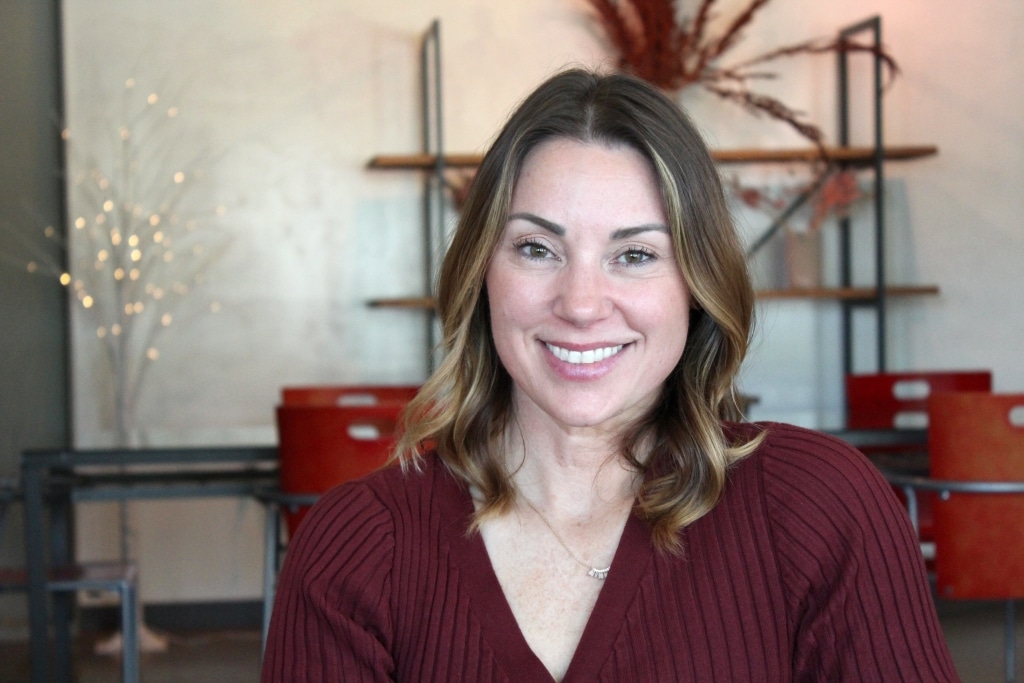
In the upcoming November election, nine candidates are running for three open seats on the Redding City Council. Shasta Scout interviewed the candidates, including local business owner Christina Prosperi.
Questions for the interviews were inspired by a reader survey that asked participants to identify their top priority issues along with questions they want answered. Each candidate was asked the same questions, and they were asked to keep their answers concise and to the point.
What personal or professional qualifications have prepared you for the role of city council member?
Prosperi explained that she’s been on several commissions, nonprofit boards, government commissions and organizations, such as The Women’s Fund.
“From just my heart, I’m a big service human,” she said. “I come from generations of, ‘Where can we help, and what does that look like?’ … I really enjoy offering my experience and understanding, but I get so much out of it as well, which is a win-win.”
She said she has a bachelor’s and a master’s degree and that she enjoys opportunities that allow her to learn and grow. She hopes serving on the council can become one of those opportunities.
“My goal is I continue being who I am,” she said. “I continue learning and applying what I’ve learned and best practices to the job.”
Why should the public trust you as a leader, and how would you approach issues of transparency, conflict and decision-making processes?
Prosperi said she’s worked in government before, at Caltrans. She explained that people sometimes have fear or confusion about things in the government being covered up, but “that’s not often the case.” She said it’s more common that organizations are working toward projects that are still undergoing developments, and the organization is simply waiting to share information once more meaningful facts are available.
“I understand the concerns,” she said. “It can be very overwhelming. You want answers, and government tends to move … very slowly with things. I want to help bridge that.”
She said one item she hopes to improve in the city when it comes to transparency is the city’s website, saying that it’s often hard to find information about city updates and project developments.
“What I like to do is make [government information] a little more plain language and easy for people to find … so you don’t feel hopeless.”
How would you work to address the city’s significant financial instability?
Prosperi acknowledged the poor financial state the city is in, saying the council should first work within the amount of money it has.
“If we don’t have an ability at this point with our community to increase funds quickly, we need to work within our budget at this time,” she said. “That does mean as costs go up, we have to hold back on what our expenses are.”
When it comes to pulling back on expenses, she said the city needs to balance spending with community needs.
“I think it’s looking at, ‘Where can we pull back to a different level of service, where the community is comfortable?’” she said.
She added that long-term solutions need to be identified that will increase the city’s revenue, and that the city should take into consideration strategies like Measure A because it allows the council to weigh what works and what doesn’t for the community.
“If we are dropping below the level of service, whether that’s with public safety or roads, how long do we have to stay there for, and when can we get ourselves back to a space where we feel comfortable?”
How would you as a council member work to provide resources for homeless individuals and ensure people have access to permanent housing?
“The city has shared responsibility” with the county, nearby cities, the state and the federal government, Prosperi said, along with other entities such as police departments and local nonprofits. She brought up the Day Resource Center at the Good News Rescue Mission as a good example of an effective strategy to provide resources to homeless individuals.
“I think a goal of mine is having good relationships, continuing to grow those, be creative, know where funding is, and take advantage of it when it comes from state or federal resources, and keep trying,” she said.
She also mentioned how as a business owner, she’s experienced homeless individuals hanging out and showering on her property and said that shifts in the police force have also caused homeless individuals to come downtown.
“How will I be able to not just tell somebody to move, but say, ‘Hey, this is where you need to go next, and you’re going to have another opportunity to go and have that shower and feel safe yourself?’”
The city should also leverage state funding and relationships with developers to expand affordable housing, she said. And it should place a priority on impacts resulting from mental health and drug use, she explained, which she said affects the city’s ability to sustain the local economy because it contributes to people feeling less safe when they’re downtown and in other populated areas.
There are several groups that have major influence in Redding, including Bethel Church, the Redding Rancheria and the McConnell Foundation, among others. When considering any influential groups you may be involved with, how can you ensure your leadership will stay objective and not persuaded by conflicts of interest?
Prosperi said she has a lot of experience in dealing with this subject after working with the state. “I think it takes just practice and strong morals and ethics; I wish more people took mandatory ethics training,” she said.
She explained that part of being a public servant is remembering what your role is and why you’re there, saying that it’s OK to have conversations with such groups as long as their priorities aren’t placed before the city’s and the public’s.
“The goal is that there can be a win-win,” she said. “But the city of Redding has real boundaries it needs to follow to ensure that we are healthy and successful as a city, and we can keep providing the services to our community members. … It’s not always going to align perfectly.”
What would your biggest priorities be if you’re elected?
“Budget is top of mind,” she said, saying she feels results won’t be quick but will take cohesive leadership that can collaborate well. She said part of that is determining who the next city manager will be, especially since that individual will be the supervisor of several other important positions, such as the police and fire chiefs.
“We need those folks in there and ready to make decisions and work with their existing strategic plans and their personnel,” she said. “What does this look like for the next two years to come within that cost that we have, and then what’s the plan on growing from that?”
Another priority is having a council that can work together, Prosperi said. “Conflict is not a terrible thing, but if you are unable to effectively come to a decision, then it’s a problem.”
She said she also wants to focus on the morale of city staff, saying that happy employees help the city run more efficiently. She explained that some of the city’s financial problems cause staff to do more work, so she wants to help provide them with reassurance that the city’s conditions will improve and that they’re appreciated.
Do you have a correction to share? Email us: editor@shastascout.org.
Comments (9)
Leave a comment
Related Articles
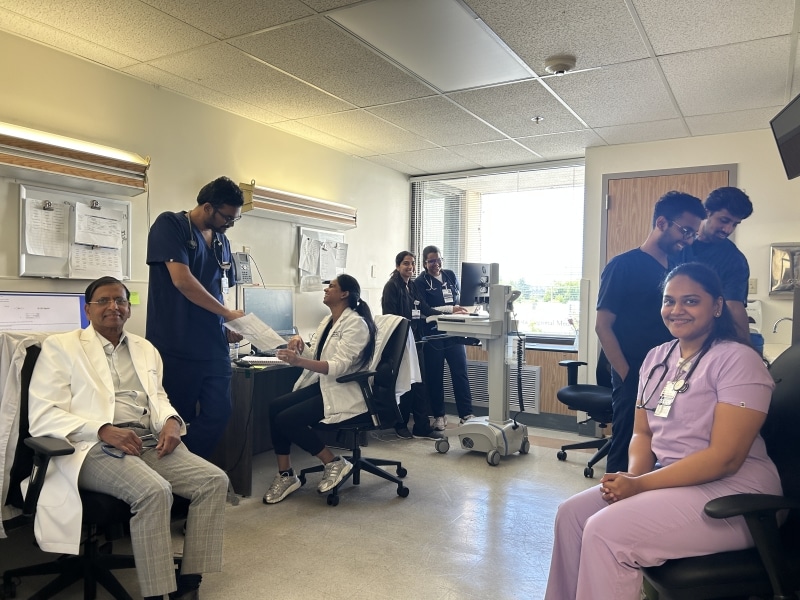
For Shasta, collaboration needed to solve physician shortage
Political division is a barrier to improving healthcare access in Shasta County. Experts say solving the entrenched problem requires working together.
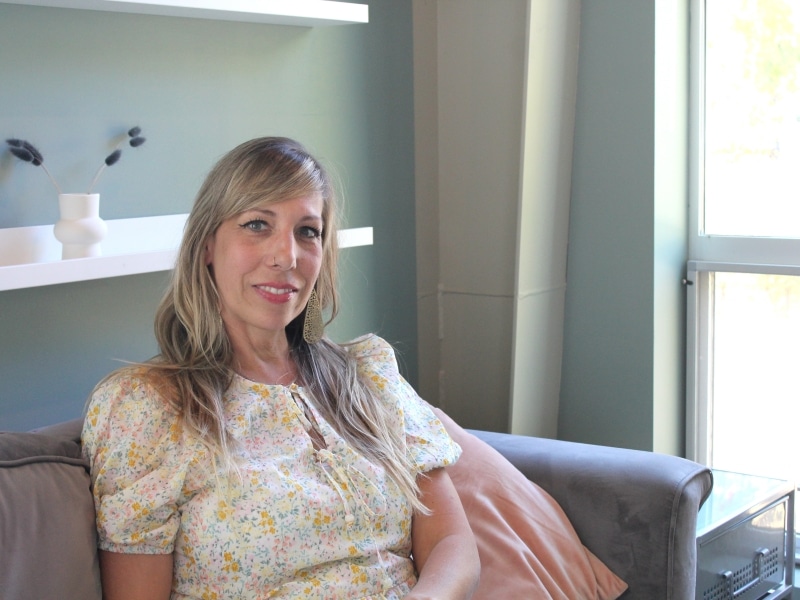
Meet Rebecca Anne Miller for Redding City Council
Three seats are up for grabs on the council this fall, and nine candidates are running. Miller is a substitute teacher with the Shasta County Office of Education and a caregiver with In-Home Supportive Services, or IHSS.

Gallery: Downtown Redding hosts fourth annual Hispanic Heritage Month celebration
Red Bluff-based entrepreneur Araceli Gutierrez collaborated with Viva Downtown to bring the celebration of Hispanic Heritage Month to Redding.
Sounds like a level headed candidate. The answer to growing income is best considered by not looking to find creative taxes, fees and other ways to hi-jack people’s ability to comfortably live. An expanded population base and more varied business base with employment opportunities might help. A smaller, leaner government structure would help. All government bodies say “we need more money” but they don’t. They WANT more money. The city needs to learn how to do more while spending less. Eliminate unnecessary departments and personnel. It is not easy but must be done. And leaders need to take a look at especially executive level compensation because based on how the city has been run the last 8 to 10 years, we’re not getting much for their overly large pay checks. Speaking of pay, at least about 645 individual city employees earned more than $116,411. What’s more, According to American Community Survey data for Redding: We have 37,835. Total households: Households with income $100,000+: 33.2%. Many of which are dual earners- and are highly paid public employees. Why do the servants make so much more than the served? There may be legitimate reasons and then again there may NOT be. But it is certainly food for thought. Just spit balling out loud.
We need to understand what the City can do to increase revenue. It’s not just about cutting- its ideas about expanding. She has my vote for sure
Levelheaded and calm.
She sounds like what the city needs.
So is she part of Bethel?
No she is not
No
Always these vague descriptions on mental health and drug use with no action plan. Never addressing root causes, underlying socioeconomic conditions of the area, education, things to get involved with for youth ect.
The line about the “shift” in policing being the reason homeless are downtown is just ignorant of the history of Redding as a whole and homelessness in general. That police are supposed to contain the homeless to an area? Instead of spending funds on an area they can be with things that would help them on a path to being housed?
More of the same I’m afraid, I’ve heard good things about her but guess I need to dig a little deeper than this interview.
She’s got my vote. Sadly, the poor financial condition the city, and county for that matter, are in is largely due to poor county leadership over the last six years. Population growth has stagnated, mom and pop businesses are suffering, homelessness is up, healthcare services have deteriorated and the revolving door at the jail continues to spin. This is what happens when locals overwhelmingly embrace the failed MAGA ideology on the local level by electing those loyal to it to run our local government.