
Debates around artificial intelligence continue as Shasta board passes AI resolution
Today, supervisors unanimously passed a resolution to encourage the implementation of AI into county processes. Public feedback was mixed.
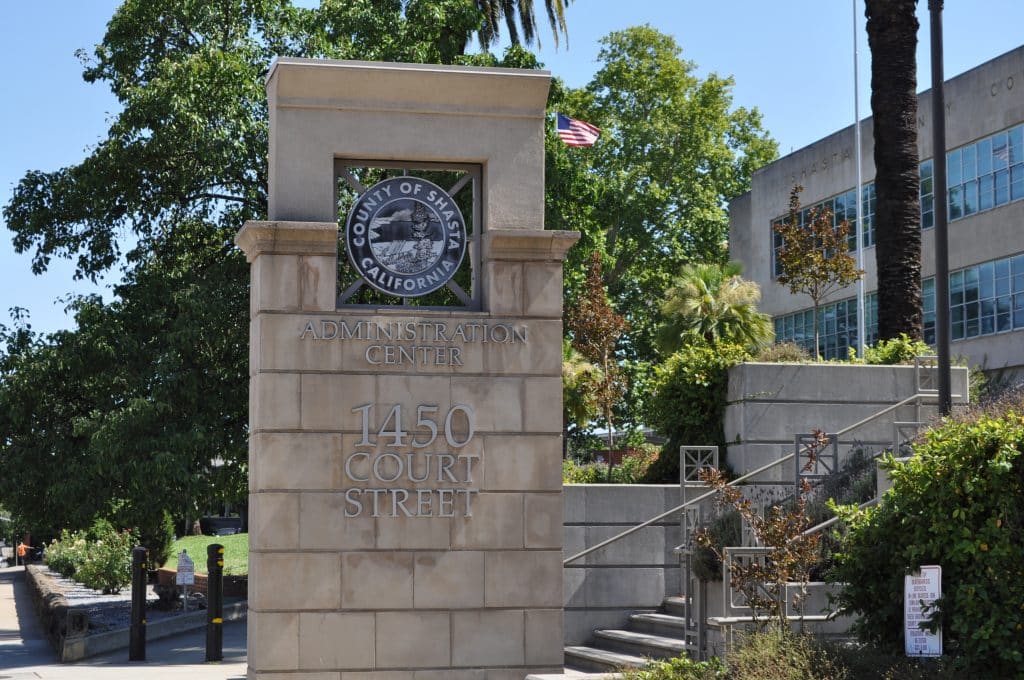
Soldiers at the front lines and the biblical beast from the Book of Revelation were two of the metaphors used today in discussions about the use of artificial intelligence held during a Shasta County Board of Supervisors meeting.
The board unanimously voted to pass a resolution to integrate AI use into county departments for increased efficiency and cost reduction, but not before plenty of mixed input from both supervisors and the public.
The resolution, sponsored by District 4 Supervisor Matt Plummer, had already been discussed in a meeting earlier this month when it was pushed back to incorporate input from Thomas Schreiber, Shasta County’s Chief Information Officer. Schreiber attended the meeting today to provide additional context and answer questions.
Before Schreiber spoke, Plummer reiterated that his intention with the resolution is to encourage the use of AI solutions to support employee shortages and respond to financial challenges in county departments. He emphasized that AI wouldn’t be used to replace employees, and that the county would implement safeguards to make sure human oversight is maintained.
Schreiber followed by encouraging the board to treat AI as a “tool” the county could use to resolve problems within county departments.
“From IT, we’re looking at this tool like we look at any other software tool,” Schreiber said. “What is the problem we’re trying to solve? Is this one of the tools that could do that for a department?”
The supervisors addressed questions to Schreiber about what the implementation of AI might look like. District 2 Supervisor Allen Long asked about security concerns, saying that he was especially worried about sensitive information potentially being leaked.
Schreiber responded by saying that the type of AI the county would implement would be through a contracted vendor that would provide a specific platform that “builds that security into there,” with “parameters and terms within the agreement” to make sure sensitive data would be containerized within the county.
Schreiber also denied all rumors of a data center being built in Shasta County. His statement came in response to a question from District 5 Supervisor Chris Kelstrom, who said he had received concerned emails from the public.
“No, the county is not building their own AI data center,” Schreiber said.
Both Plummer and Schreiber also emphasized that the county would be outlining a more in-depth policy following a vote by the board to support the resolution.
“Another step that we’re currently working on, but is not ready yet, is more of a detailed policy around acceptable uses, prohibited uses, delineating between high-risk-and-low cases of AI, and who gets to review that,” Plummer said.
Schreiber noted that the county was looking to use Placer County’s AI policy as a template for Shasta’s policy.
“I stole the policy from Placer County,” Schreiber said, noting that there is collaboration between IT departments across the 58 California counties. “They have a full blown AI policy we’re vetting and using as our template.”
While most of the conversation in the meeting was forward-facing, some comments were a clear reminder that AI use remains a highly controversial and unpredictable point of debate, even for some supervisors.
“It’s scary, because you don’t want to be the first one to push your soldiers out there on the front line, and then get shot, right?” District 3 Supervisor Corkey Harmon said about the county potentially becoming dependent on AI.
Some members of the public blatantly criticized the resolution, with one commenter making a reference to AI as “the beast” from the Book of Revelation, a character sometimes interpreted as the Antichrist.
While debates around AI continue, the resolution being passed 5-0 today means that the county will move towards further incorporation of the technology into county departments. Supervisors have said that AI is already being used in some county departments, but so far without official rules. Plummer hopes this resolution will be the next step towards changing that. He told Shasta Scout earlier this month that he hopes a more detailed policy will be ready by the end of the summer.
Do you have a correction to share? Email us: editor@shastascout.org.
Author

Comments (5)
Comments are closed.
Related Articles
Redding has eliminated more than a dozen vacant police and fire positions and will close Fire Station 3
The changes were made to increase city savings amidst a struggling budget. Council members were united on fire department changes, but two were opposed to some of the police department cuts.
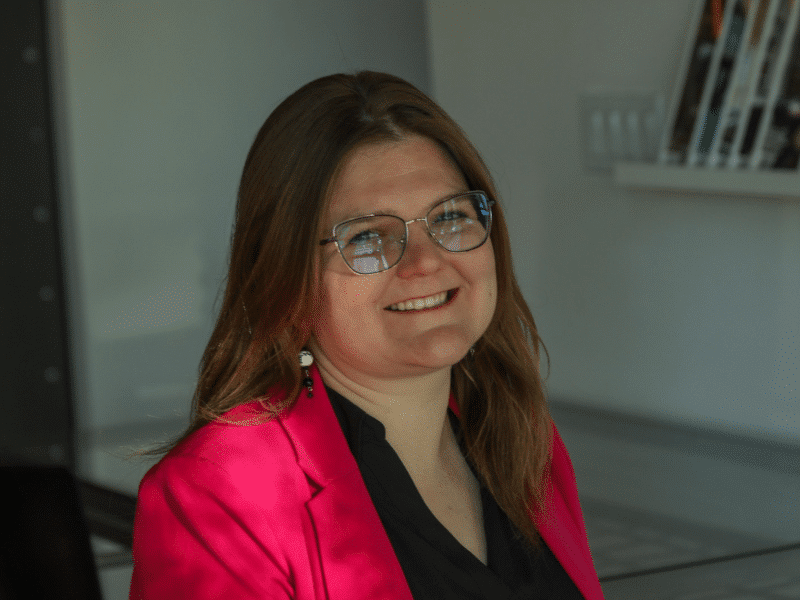
Meet Madison Zimmerman for Shasta County Office of Education Trustee
Madison Zimmerman is running for one of seven seats on SCOE. She refers to herself as a proud product of Shasta County Schools and plans to bring her skills developed both inside and outside of the county to expand opportunities for students to thrive here in Shasta.
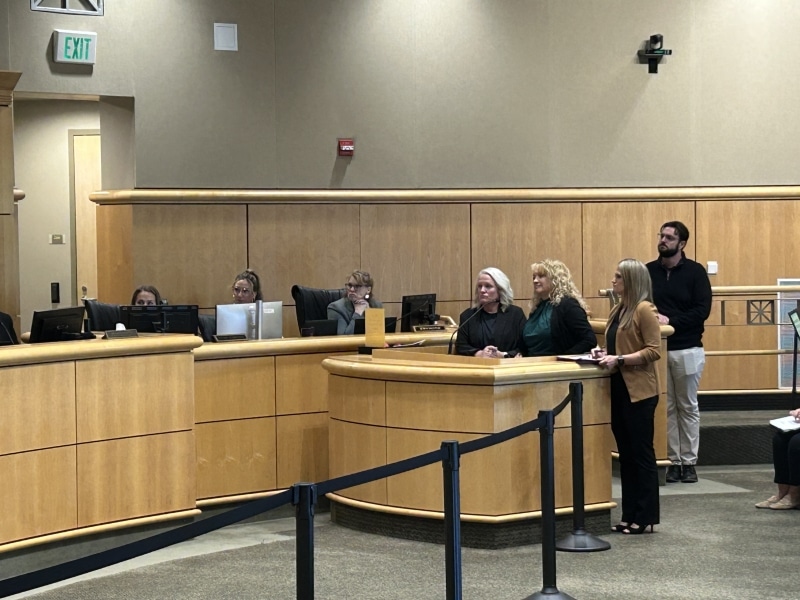
Accountability vs. micromanagement: Shasta board debates its role during wide-ranging discussion
Supervisor Matt Plummer was accused of micromanagement for asking for data in response to an assessment of fire services. Meanwhile, Supervisor Kevin Crye spent nearly thirty minutes questioning a decision by the HHSA director with no such accusation sent his way.
From the article: “Some members of the public blatantly criticized the resolution, with one commenter making a reference to AI as ‘the beast’ from the Book of Revelation, a character sometimes interpreted as the Antichrist.”
I suggest the County’s name its AI helper “Nero,” since “the beast” in the Book of Revelation was an allusion to that Roman Caesar (as was the gematria “666”). Also, I have long held that John the Revelator was high as balls on mushrooms.
I am generally an anti-conspiracy theorist. The surveillance potential of AI accessing data about residents of Shasta County and sharing it with other government agencies who have access to the AI servers is very scary in the sense of contributing to “Big Brother” (Orwell’s 1984) type omnipresent surveillance.
It requires a very tech savvy human overseer to ensure that resident’s data is not available to be shared.
I believe that it is essential that this overseer be a Shasta County employee and not an outside contractor.
Public records requests take a lot of staff time away from their regular work. This is a task that AI would excel at.
Every time AI is utilized it increases the need for Data Centers. I believe Data Centers are a serious environmental problem and I believe any reliance on AI is wrong and unnecessary. The tiniest use of it lessens people’s use of their own thinking and is affecting our children by leaps and bounds.
This seems like a reasonable approach. Just like the rise of the internet, AI is being treated as the be all and end all. It will, no doubt provide some useful functions, just like the internet. The primary focus for the county has to be cost. I’ve seen some reports about large organizations that dove headfirst into AI now pulling back because of the cost isn’t worth the benefit. A go slow approach is probably best.
Selah