
Meet Mike Gallagher for Shasta’s District 5 Supervisor
There are three candidates running for Shasta County’s District 5 board seat. Mike Gallagher says he’s running to bring dignity back to the board chambers.
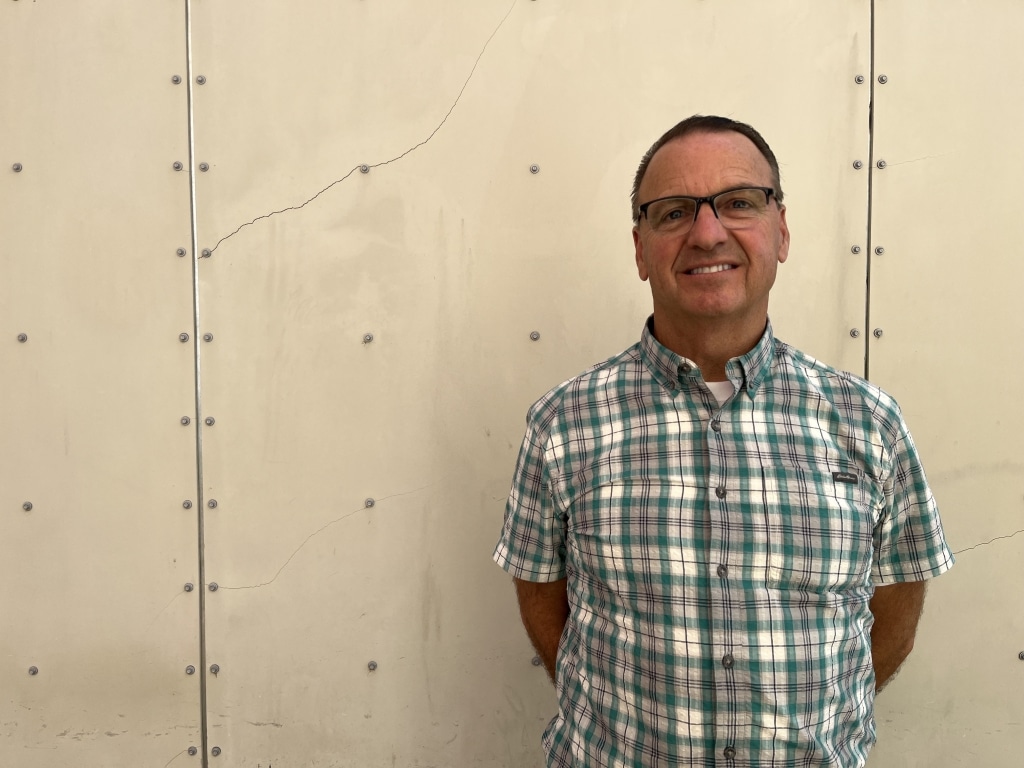
Tell us briefly about yourself. What’s your current role? What background experiences or concerns led you to run for supervisor?
I’ve lived in Northern California my whole life. Born in Corning, raised in Los Molinos, and for the last 40 years have been a Shasta County resident. For the last 11 years, I’ve been serving in the city of Anderson, for four years as a planning commissioner and for seven years as a council member.
Prior to that, we founded what was called the Manter House, an effort to transform a little neighborhood. The area was generating 80% of all the police calls for service for the city of Anderson within about four square blocks. We purchased a home and made a community center. We provided a place in the neighborhood where partners could come and provide services and teach classes. That was really effective. Over the course of seven years we watched that community transform — that small, little hub. Violent crime dropped, high school graduations went up, all kinds of cool stuff. It was a really great experience. And we can do that again. That can happen in many areas. I’d love to see the private sector do more.
I’m running for supervisor to bring some dignity back to the board chambers. We need an overhaul in how those chambers are run that affects both the board and the public. We worked as a team in Anderson to do many amazing things. I think we can apply that teamwork to the county, and I think we can move our county forward.
The role of supervisor involves a public decision-making process that begins with agenda packets followed by a public discussion and vote. How would you increase transparency and accountability in that process? How would you reduce conflict on the board and with the public?
I’m a big fan of conversation. I don’t have to agree with you, but we have to have a conversation long enough, respectful enough, that you know where I’m coming from, and I know where you’re coming from, whether we agree or not. One of the challenges I see in Shasta County is we have people who agree talking with each other, but we’re not having any collaborative conversations across ideology. Because of that, we’ve limited our ability to learn from somebody who thinks differently than me. I think we’re in silos, and silos aren’t healthy. I would push for town hall meetings and meet-and-greets. Come talk. It’s important to remember that if agreement is the goal, we will fail. The conversation will crash and burn. But if we can have a conversation to gain understanding, we’ll make progress.
Almost every topic before the board is polarizing. But I will work tirelessly to bring some dignity back to the chambers. It doesn’t mean we won’t have intense conversations. But somebody has to bring some water to the inferno. I see a lot of gasoline in those chambers, but I don’t see many people carrying a bucket of water.
What is a supervisor’s role in implementing solutions to reduce homelessness, and how will you work to do so?
I like a targeted approach. Let’s stop for the one who will receive help. When it comes to homelessness, you have about a third who would take some level of help. You have a third that isn’t going to be helped. They’re very broken, and they want to stay in the camps. Then you have a third which is the criminal element. So that goes back to the Sheriff’s alternative custody program, which could help with one chunk of that and reduce crime in the streets. And then you have resources to help the other third by going into the camps with empathy and expertise.
I am not a fan of just sheltering people. Taking people out of the camps and putting them in hotel rooms at the cost to the taxpayer is not effective. I’m not seeing the fruit of that type of spending. Shelter isn’t the issue. The issue is why they’re choosing to stay homeless, and that’s where we have to deal with the trauma and abuse in their history and with their substance abuse. The behavior will tend to fix itself if we can get after and heal those broken places in their lives.
If I learned anything during my time at Manter, it’s to celebrate the little steps. Maybe they stopped smoking or started managing the money they have or doing better as a parent. Those are big things to celebrate. Those are big steps when you’re homeless or at risk of going homeless.
Also, we need a project like the wagon wheel project that Sheriff Michael Johnson has advocated for. We have to start rehabbing people. I don’t think you can punish people into good behavior when they’re that broken. We have to rehabilitate offenders.
How about when it comes to solutions for mental health care needs in Shasta. How would you summarize those needs, and how would you use your position as a county board member to address them?
I think we have to get personalities out of the way and ask what kind of project would be positioned to help the most folks in Shasta County. We’re not going to help every single person. But I would love the discussion on how to create the most benefit.
I have supported the True North project based on the plans for a mental health pod that would have allowed an Anderson police officer to arrest someone on a 5150 and bring them to qualified care experts and professionals and go right back to patrolling my streets in Anderson rather than having that police officer sitting for four hours at the hospital waiting for them to be released. We threw $140 million away when the board majority opposed True North. We could have built True North, and my understanding is we would have been able to help a large group of people.
Can you explain the county’s current financial state? How would you work to stabilize county finances? Where would you choose to invest the limited capital funds that are available for projects?
Even though the county is operating in the black, it’s not as rosy as some supervisors say. There’s some real stiff headwinds that we’re coming up against when it comes to the budget, and I would recommend everybody attend the upcoming county budget meetings.
I’ve read the first 38 pages of the county’s 2025/2026 budget, which is the high level overview. The county says in the budget that there should be concern about the county’s finances, and there should be. What the county is going to find out in the next month is that they’re soon going to be in the same shape that the city of Anderson and the city of Redding and Tehama County and every other jurisdiction across the fruited plains has found themselves in with increased expenses and either flat-lined or diminishing revenues.
Now, it got to us in Anderson a little earlier than the county, but we didn’t cut a 10th of our workforce last year like the county did when they removed numerous vacancies from the books. We didn’t cut one position out of our budget. These are positions that might be very important for the county, especially when you look at H.R. 1 and what the mandate is going to be when it comes to county social services. H.R. 1 demands that we’re going to have to check in with folks each every six months for eligibility. Do we have the staff for that? It’s a big question in my mind. And if you don’t have the staff and you don’t do the mandated requirements, guess what happens to the federal money?
So what power do I have as a supervisor? The reality is, when I win I will inherit the next budget cycle. They will have made decisions next month that are going to affect us as a county for a year. I think the current board majority fails to reveal costs when they talk about our budget. It wasn’t that long ago that the Health and Human Services Agency was called out for overspending by roughly $900,000 a month. How is that going to impact our reserves?
I honestly don’t know how to fix the budget. But what I do know is it will take a full court press. One person, one idea, isn’t going to fix it. We’re going to have to really put our heads together, and we’re going to have to make some very difficult decisions to stabilize the hemorrhaging that’s happening. They chose not to do anything about HHSA months ago when they could have. They kicked it down the road.
The next budget cycle is going to dictate where the county goes for the next probably three years. This stuff doesn’t change overnight as we’ve seen in Anderson, where we’ve been working on this for a few years now, and we’re going to come out strong. So we’re going to have to wait and see where we actually land in the county before we can decide exactly what has to be done to fix it.
As far as the county’s pot of funds, I would prioritize supporting the sheriff to get folks off the streets who are breaking the laws, because that affects all of us at some level. Public safety and infrastructure are the two primary roles of government. And public safety is more than just the sheriff, it’s the district attorney’s office, too. When we have unchecked public safety issues, it impacts all parts of our society from morale to business.
What would you say to community members expressing concerns about how current board members have impacted Shasta County finances? Specific questions we’ve heard relate to the lawsuit over the Redding Rancheria contract, getting rid of impact fees and providing themselves with raises.
One thing I want to point out is that the current board majority interchanges the terms “tax” and “fee,” but they’re two dramatically different things. And by the way, fees are not illegal. The Constitution allows jurisdictions to charge fees for service, and that’s what enterprise funds do; they use fees to maintain funds.
The current board canceled impact fees — which fund things. Without impact fees in place, the rest of us will inherit the responsibility for the infrastructure for projects that are in development now. Our taxpayer funds will have to pay for taking care of that infrastructure. That’s the reality.
In Anderson we didn’t notice and raise fees when we should have on wastewater, and I have owned my responsibility for that publicly in front of the council. That’s why we had to raise them a lot this year. It actually still isn’t a big enough increase according to the cost projections shared by our consultant, so I hope that whoever is running Anderson in five years has the courage to raise fees again. Because that’s what will be needed.
What do you see as the most pressing issue for Shasta County right now?
Well if you’re in Shingletown, it might be about your water supply. If you’re out in Happy Valley, it’s about fire safety. If you’re in Cottonwood, it’s streets and roads.
What I know is when people feel safe, everything starts getting better in their worlds. So public safety is core, and public safety incorporates the district attorney’s office, probation, the Day Reporting Center, all of that.
In Anderson when we passed the half cent sales tax, we sent 50% of the money to the police. Everything else hinged around that. Homes started being built, the park was upgraded. People started taking pride in Anderson. We changed the identity of the city.
I’m not interested in a false sense of security. But when people in eastern Shingletown call and get a response and an officer shows up, then that will shift something in every area of Shasta County. I’m going to focus on District 5, and I’m going to work my butt off to get those folks what they need.
My experience tells me that some solutions can actually be fairly straightforward. I don’t want to say simple, because that’s probably the wrong adjective, but doable. If we put our heads together and get really good information, oftentimes the solution becomes obvious. And then it’s just having the courage to figure out how to get it done.
Do you have a correction to share? Email us: editor@shastascout.org.
Author

Comments (2)
Comments are closed.
Related Articles
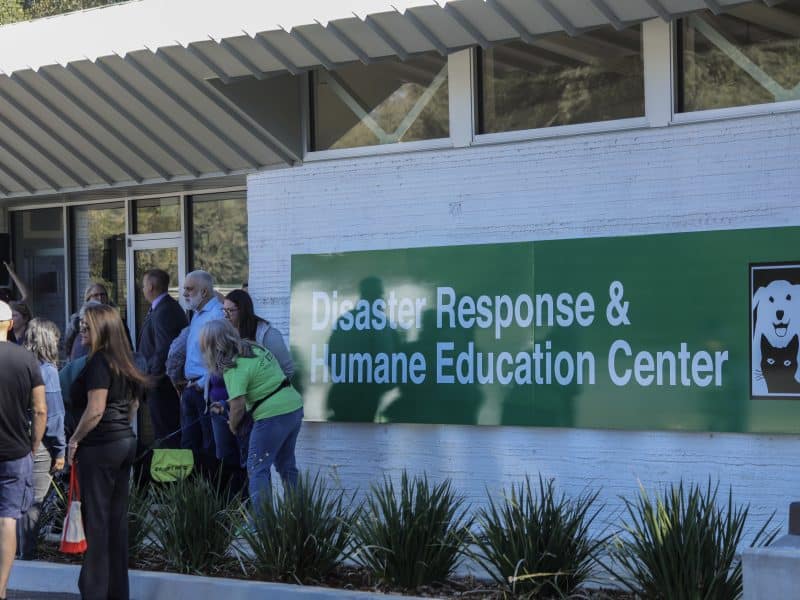
Haven Humane opens disaster response center built with Zogg Fire funds
The animal welfare organization opened a new disaster response and humane education center today next to its existing facilities in Anderson. The center was built with funds from the Zogg Fire that were designated for animal care in honor of Karen King.
Redding Rancheria PAC spends $32,000 to support four city council candidates
The Tribe said it created a PAC, or political action committee, to support city council members who understand the relationship between the Tribe and the city. Those candidates haven’t received direct donations of funds; instead, the PAC has provided indirect support through media campaigns.
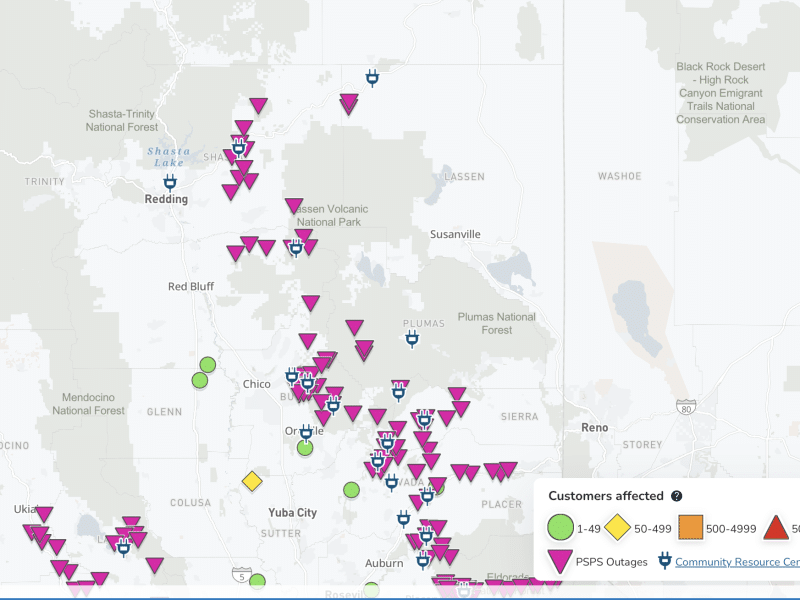
Power shutoffs impacting thousands of customers across Shasta County
PG&E shut off power for California residents earlier this week due to wind and dry conditions, which could lead to dangerous wildfires. Shutdowns are expected to continue until Saturday morning.
Reducing homelessness requires more than temporary shelter, it needs long-term solutions like mental health support, addiction recovery, affordable housing, job opportunities, and stronger community partnerships. I appreciate the focus on rehabilitation and addressing root causes instead of just moving the problem around. Discussions around financial stability and living costs, like those highlighted by https://themaltasalarycalculator.com/, also play an important role in understanding how economic pressure can push people toward homelessness.
I suppose it’s a little bit flattering that someone has decided to post under the same name as me, but whoever this is, is not me.