
Meet Russ Wenham for Redding City Council
There are nine candidates running for three seats on the council. Wenham is a civil engineer who’s focused on the city’s budget, public safety, infrastructure and job expansion.
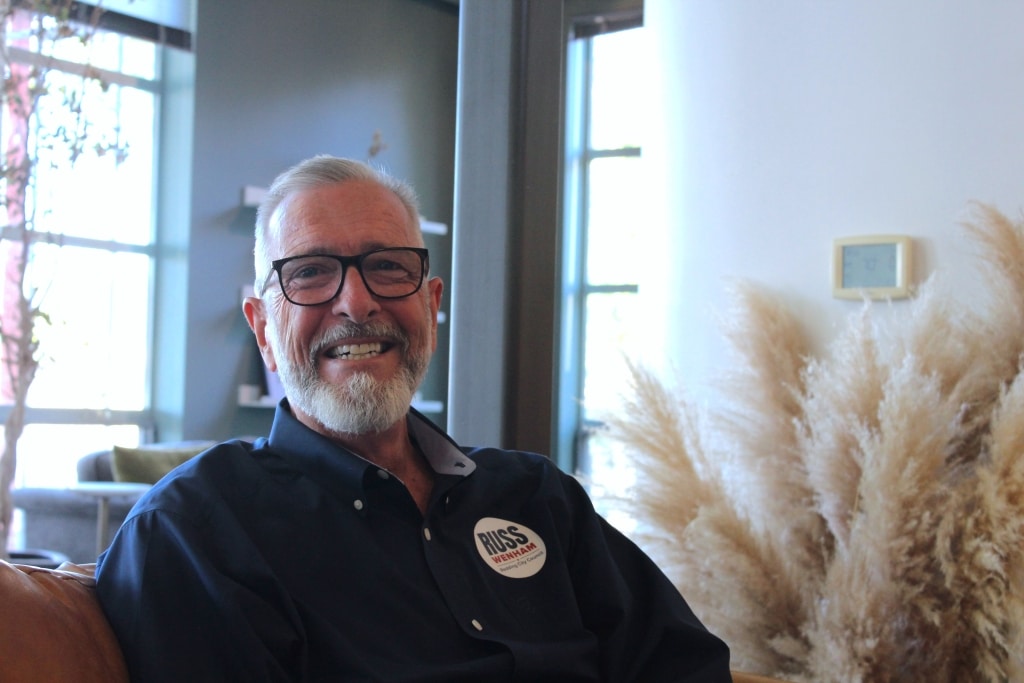
Three seats are open on the Redding City Council this November, and nine candidates are running. Shasta Scout interviewed the candidates, including civil engineer Russ Wenham.
Interview questions were inspired by a reader survey that asked participants to identify their top priority issues along with specific questions they want answered. Each candidate was asked the same questions, and they were asked to keep their answers concise and to the point.
What personal or professional qualifications have prepared you for the role of city council member?
Wenham has worked for 42-years as a civil engineer in Northern California, with most of his career spent in Redding.
“Civil engineers, every day of their life, all they do is solve problems,” he said. “They deal with infrastructure. They deal with city finance, government infrastructure, land development, policies, ordinances. Every single thing a city does, we deal with as citizens every day.”
His working experience has allowed him to gain an understanding of how the city operates and how to manage it, he said.
Why should the public trust you as a leader, and how would you approach issues of transparency, conflict and decision-making processes?
Wenham said one of his greatest strengths is also his greatest weakness: candor. “When it comes to transparency,” he said, the public will probably “get more than they want.”
He said he recently met with several of his campaign supporters who told him that his other strongest qualities were honesty and integrity.
“I naturally want to be informed,” he said. “I naturally want to be treated with honor, and I naturally want to treat others the same way.”
How would you work to address the city’s significant financial instability?
For starters, Wenham said, the city needs to get a hold of the situation. He said the city doesn’t completely know exactly what state it’s in, saying the numbers vary from month to month and quarter to quarter.
“We have to be fully and completely focused on accurate and factual baseline information,” he said. “Where are we? How do we track it? What are our realistic projected revenues? No optimism, no pessimism.”
The city should also develop a variety of plans, he explained, from two to 10 years ahead from now. Then, it should make conscious decisions on what can or can’t be afforded.
As the city learns its financial state and makes decisions, he said, it needs to be honest with the public and not hide any information, as well as hold officials liable for their decisions.
How would you as a council member work to provide resources for homeless individuals and ensure people have access to permanent housing?
Wenham wants to prioritize funneling money from the county and the state to the city to improve this issue, saying the city doesn’t have the capability to spend its own sales tax or general revenues on it.
He mentioned the need to fund things like the Day Resource Center, and that funding should be utilized for other areas like tiny home villages, inpatient treatment and transitional housing.
“That gets me really excited,” he said. “We need to do everything we possibly can in that area, as effectively as we can, and spend every dollar we can to make that happen.”
He said the city also needs to provide accountability for the homeless, saying the professionals who work with this subject say that many people in “horrible, horrible addiction situations … will only come out of it if there are consequences.”
There are several groups that have major influence in Redding, including Bethel Church, the Redding Rancheria and the McConnell Foundation, among others. When considering any influential groups you may be involved with, how can you ensure your leadership will stay objective and not persuaded by conflicts of interest?
As an engineer, Wenham said he’s done consulting for the Redding Rancheria, McConnell Foundation, Sierra Pacific Industries, Bethel Church and many other city projects.
“And because of that, this last spring, once I decided to run for council, I resigned my job,” he said. “I left my corporate engineering job. I opened a one-person engineering office out of my home, and I have one client that is dozens and dozens of miles away, and I will not do any consulting for any of these folks again in this city.”
He explained that he’s dealt with conflicts of interests as a consultant often, saying he’s been transparent and has had to explain overlapping interests to clients. He also said he told his major campaign donors that there’s “no transaction,” causing some donors to rescind financial support.
“I will still represent them,” he said. “I represent everybody, but there are entities where I drew the line, and I said I will not take their support because the conflict of interest is too big.”
What would your biggest priorities be if you’re elected?
Wenham’s first priority is to get the city’s budget in order with a two-year and 10-year plan. He said the city needs to get out of its hiring freeze and strategically manage its positions and services.
His next focus is on public safety, saying it needs to remain a priority even in a “declining budget scenario.” The city should strategically hire its fire and police chiefs to help with this, he said.
Another of his priorities is infrastructure, particularly roads. He said a major part of his career was focused on roads and that funding should be shifted around, especially in the city’s development impact fee area, to improve the roads.
His final priority is expanding jobs, saying that in order for the city to grow, job growth needs to happen.
“We have to become the best place in far Northern California to do business and to grow business,” he said. “If we don’t, we’re going to be in a world of hurt.”
Do you have a correction to share? Email us: editor@shastascout.org.
Comments (2)
Leave a comment
Related Articles
Redding has eliminated more than a dozen vacant police and fire positions and will close Fire Station 3
The changes were made to increase city savings amidst a struggling budget. Council members were united on fire department changes, but two were opposed to some of the police department cuts.
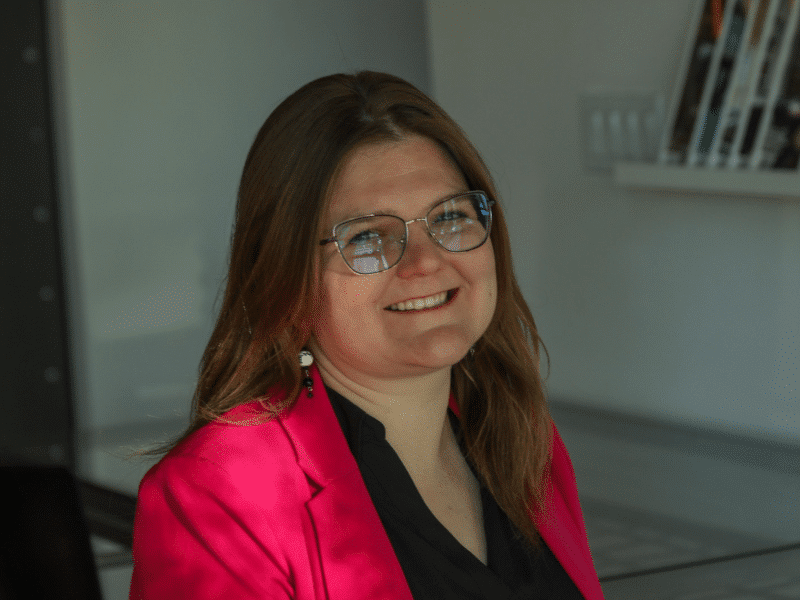
Meet Madison Zimmerman for Shasta County Office of Education Trustee
Madison Zimmerman is running for one of seven seats on SCOE. She refers to herself as a proud product of Shasta County Schools and plans to bring her skills developed both inside and outside of the county to expand opportunities for students to thrive here in Shasta.
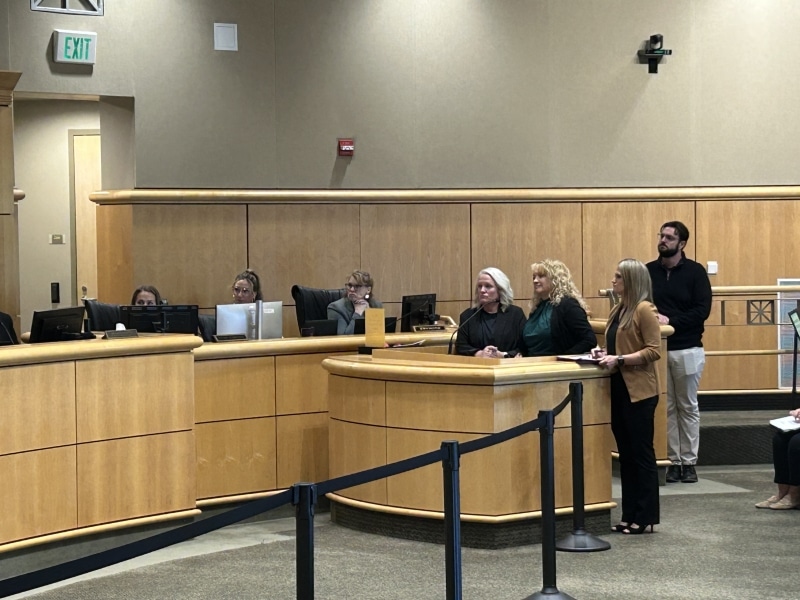
Accountability vs. micromanagement: Shasta board debates its role during wide-ranging discussion
Supervisor Matt Plummer was accused of micromanagement for asking for data in response to an assessment of fire services. Meanwhile, Supervisor Kevin Crye spent nearly thirty minutes questioning a decision by the HHSA director with no such accusation sent his way.
“Taking the lead in the fiscal responsibility category, Wenham advocated for labor cost reductions through city salary freezes and strategic furloughs to address increasing budget pressures, according to the election guide.”
“Wenham’s first priority is to get the city’s budget in order with a two-year and 10-year plan. He said the city needs to get out of its hiring freeze and strategically manage its positions and services. ”
Gee Russ, what is it, Freeze or no Freeze?
You know Nick, if somehow you are able to turn up any evidence of all that mass election fraud that you claimed was going on for so long, well you might just get people to listen to you.
.
But as it is now, you are like the boy who cried wolf. Eventually got it put up the proof, or people just start tuning you out.